
The best lead free bullet for roe deer
Which Fox Classic Hunter weight suits roe deer, the legal minimums in England, Wales and Scotland, and why lighter usually wins.
Last updated 28 July 2026
Roe are the deer most British stalkers shoot most often, and they are not a demanding target for a well-constructed bullet. A mature buck might go 25kg. What matters more than raw energy is a flat trajectory, because roe are frequently taken across a field edge or a ride at a distance you have to judge quickly.
Recommended weights
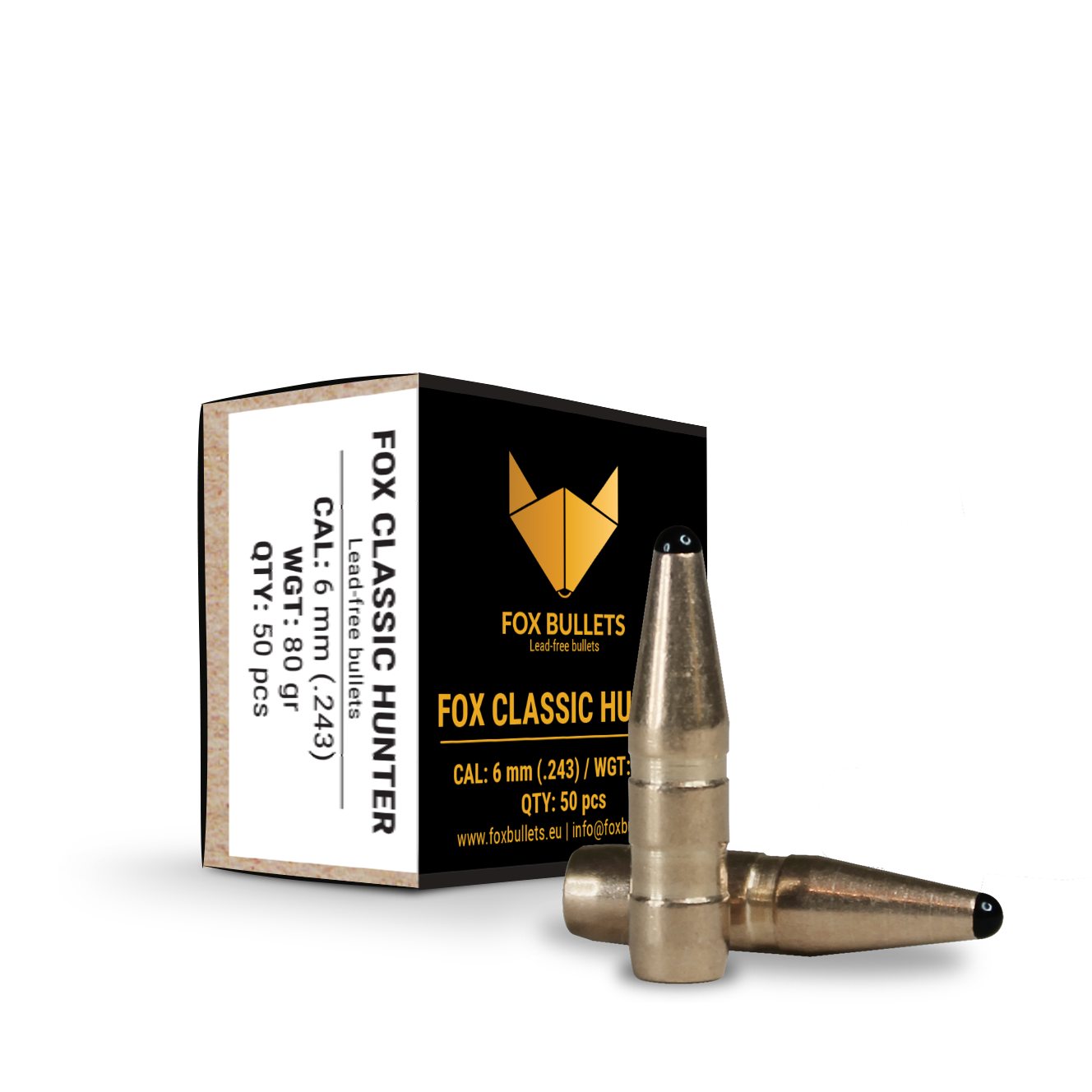
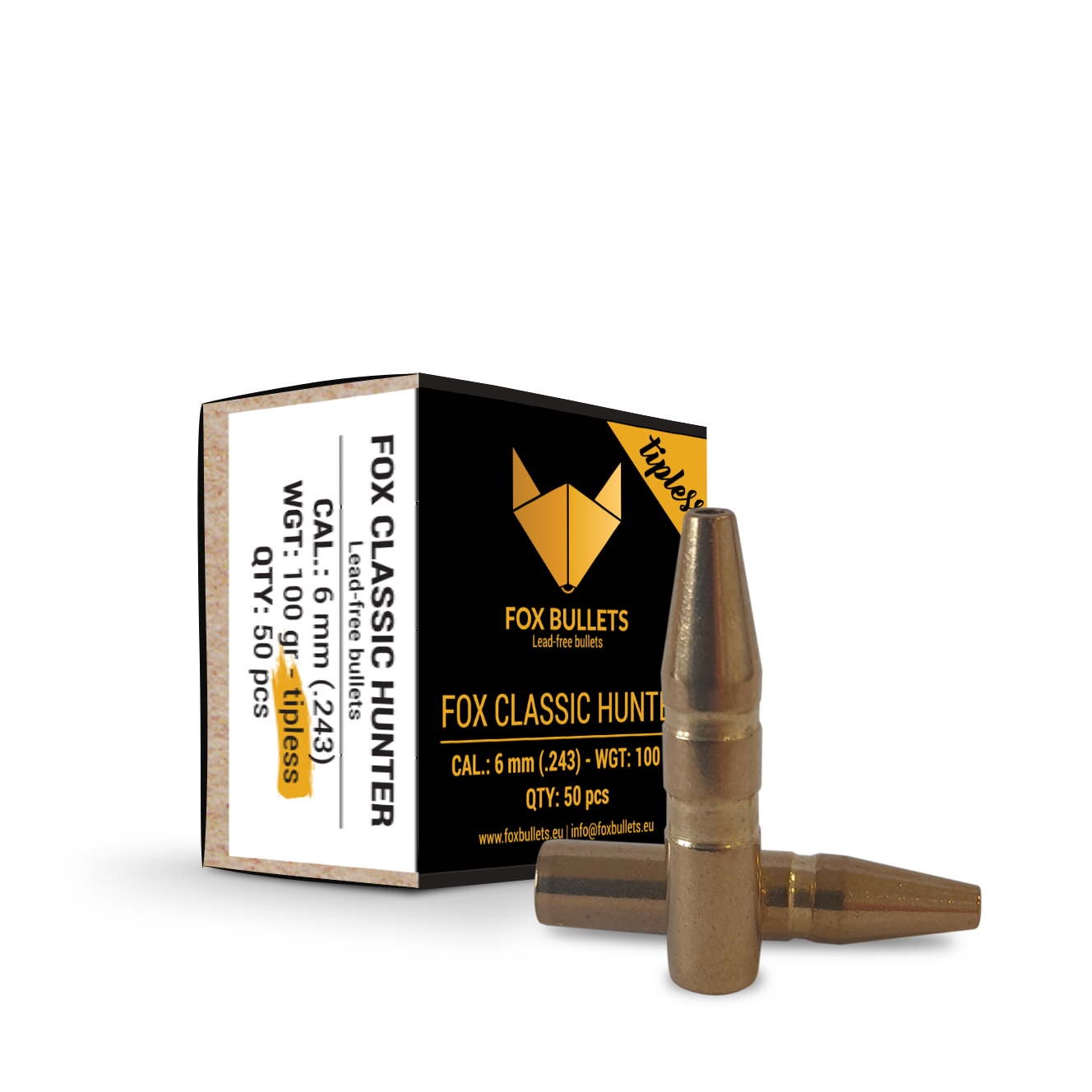
- 6mm (.243) 80gr: the classic roe combination, and the one we would suggest first.
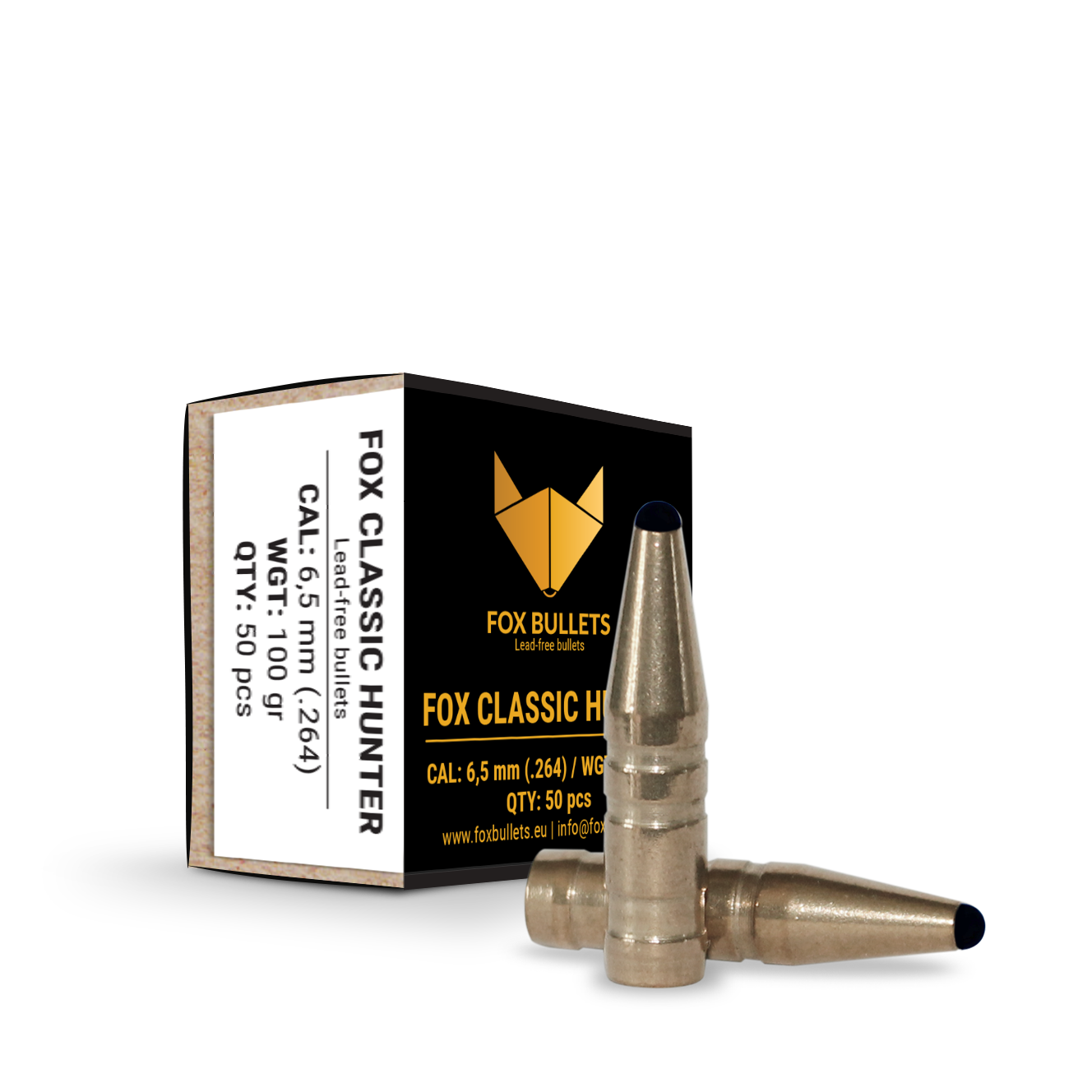
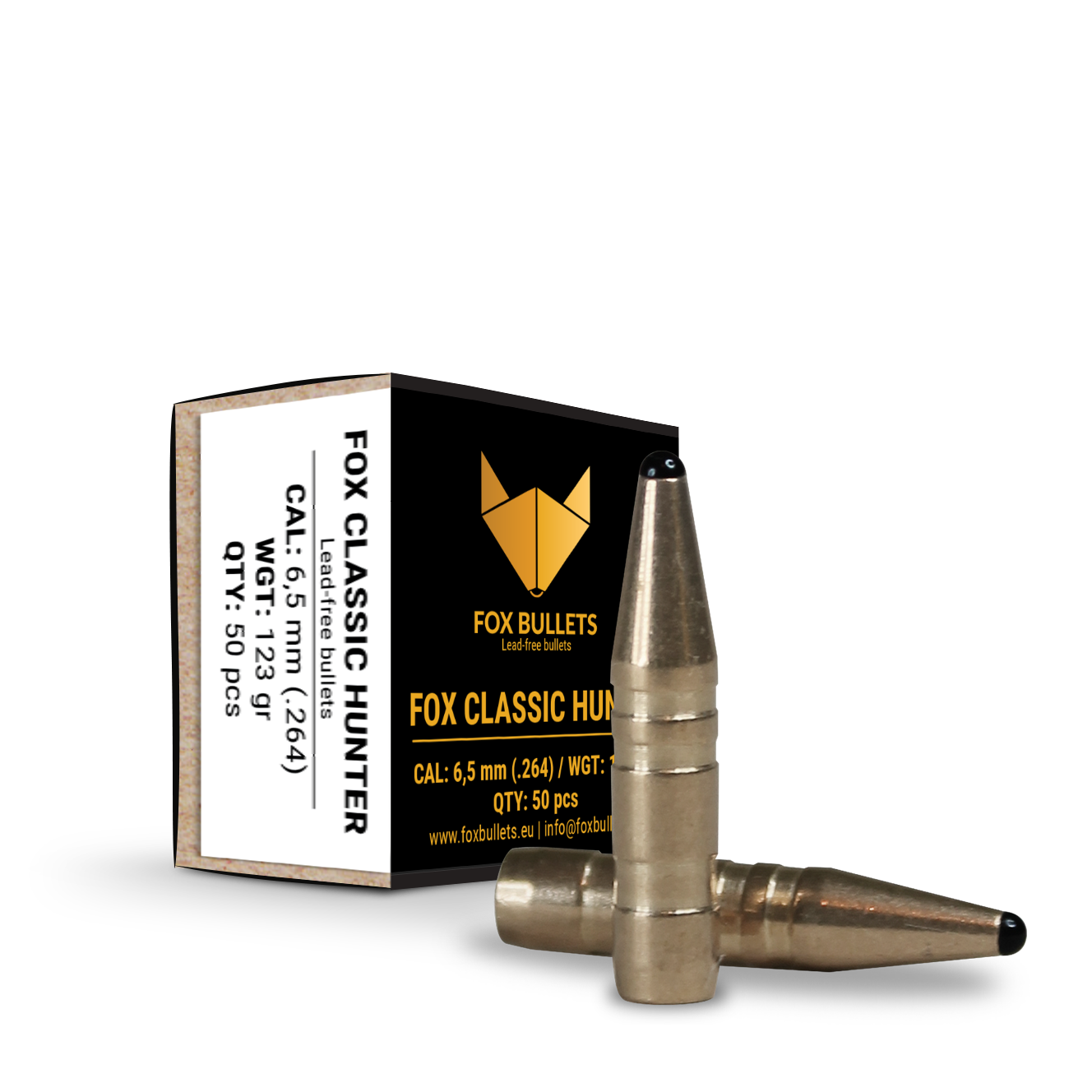
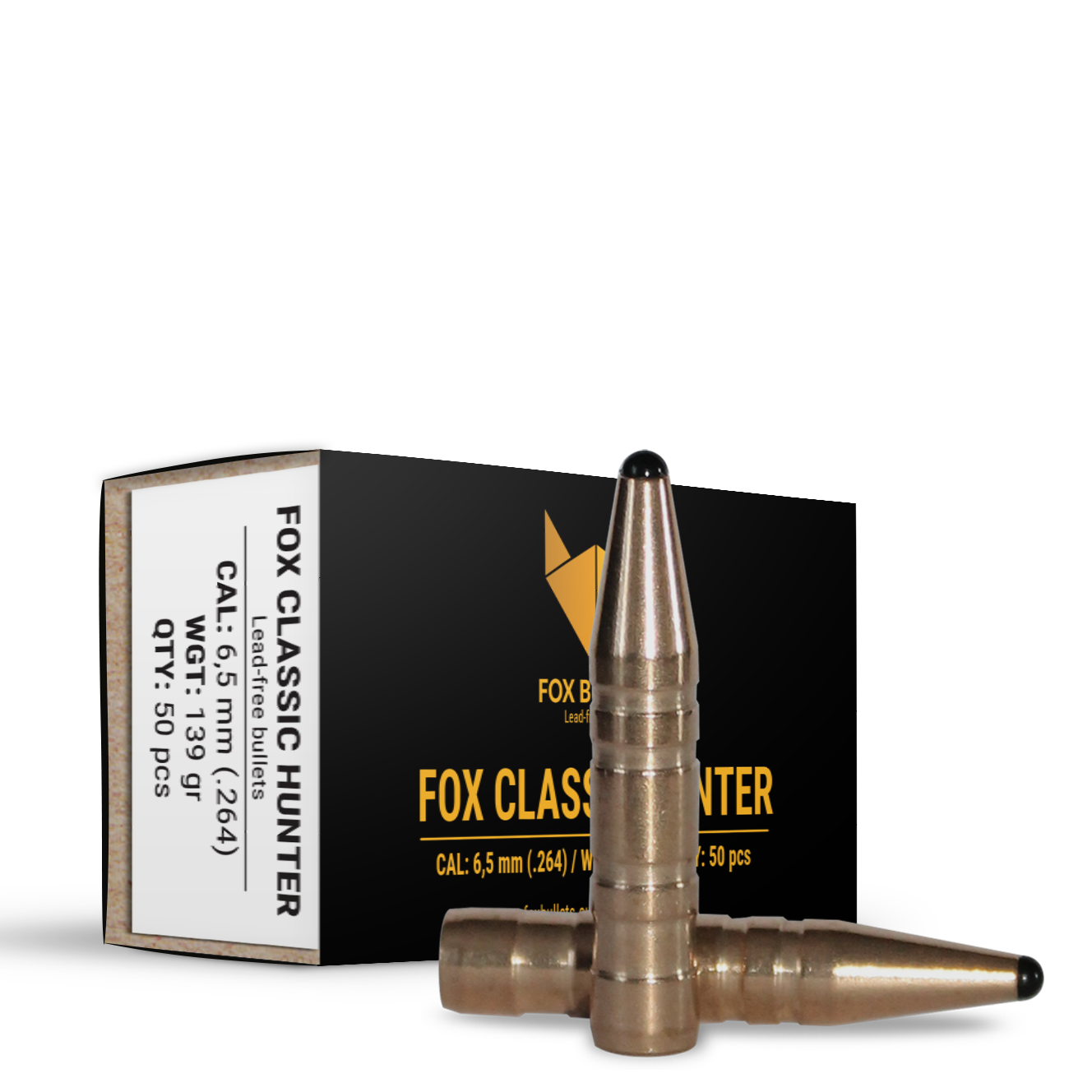
- 6.5mm (.264) 100gr or 123gr: both entirely suitable; the 100 grain shoots flatter, the 123 grain is the better all-rounder if you also shoot larger species.
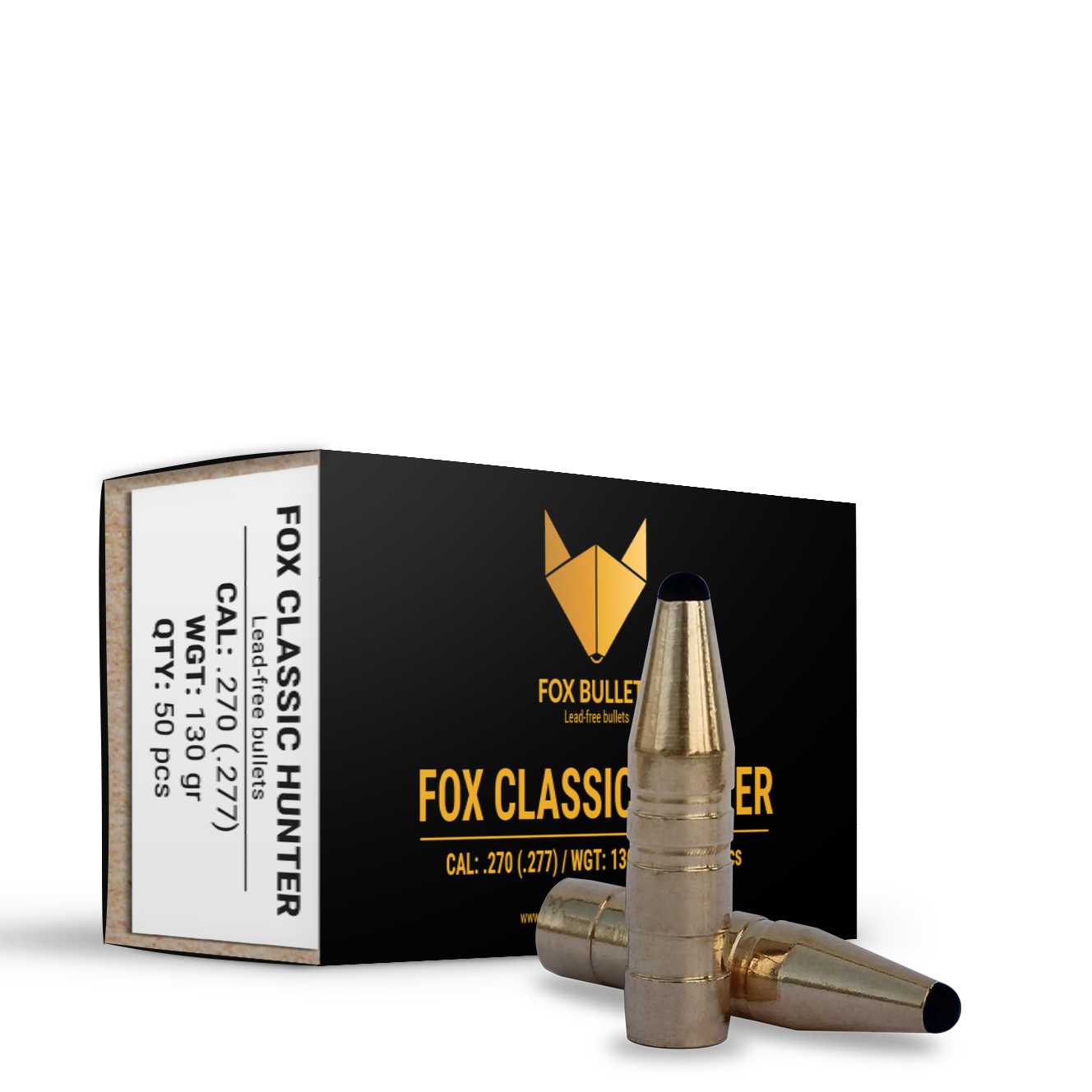
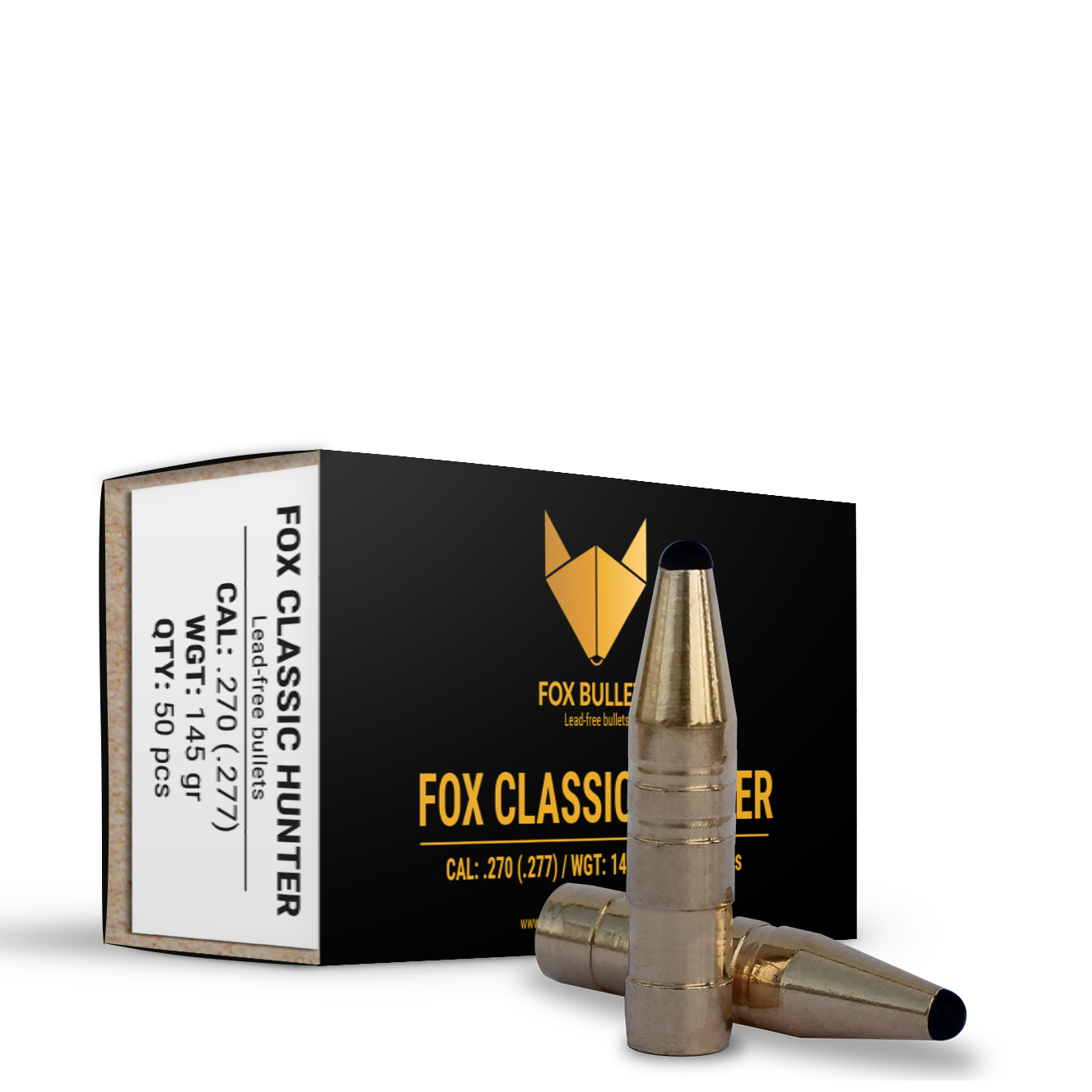
- .270 (.277) 130gr: more than enough, and the sensible choice if the .270 is the rifle you own.
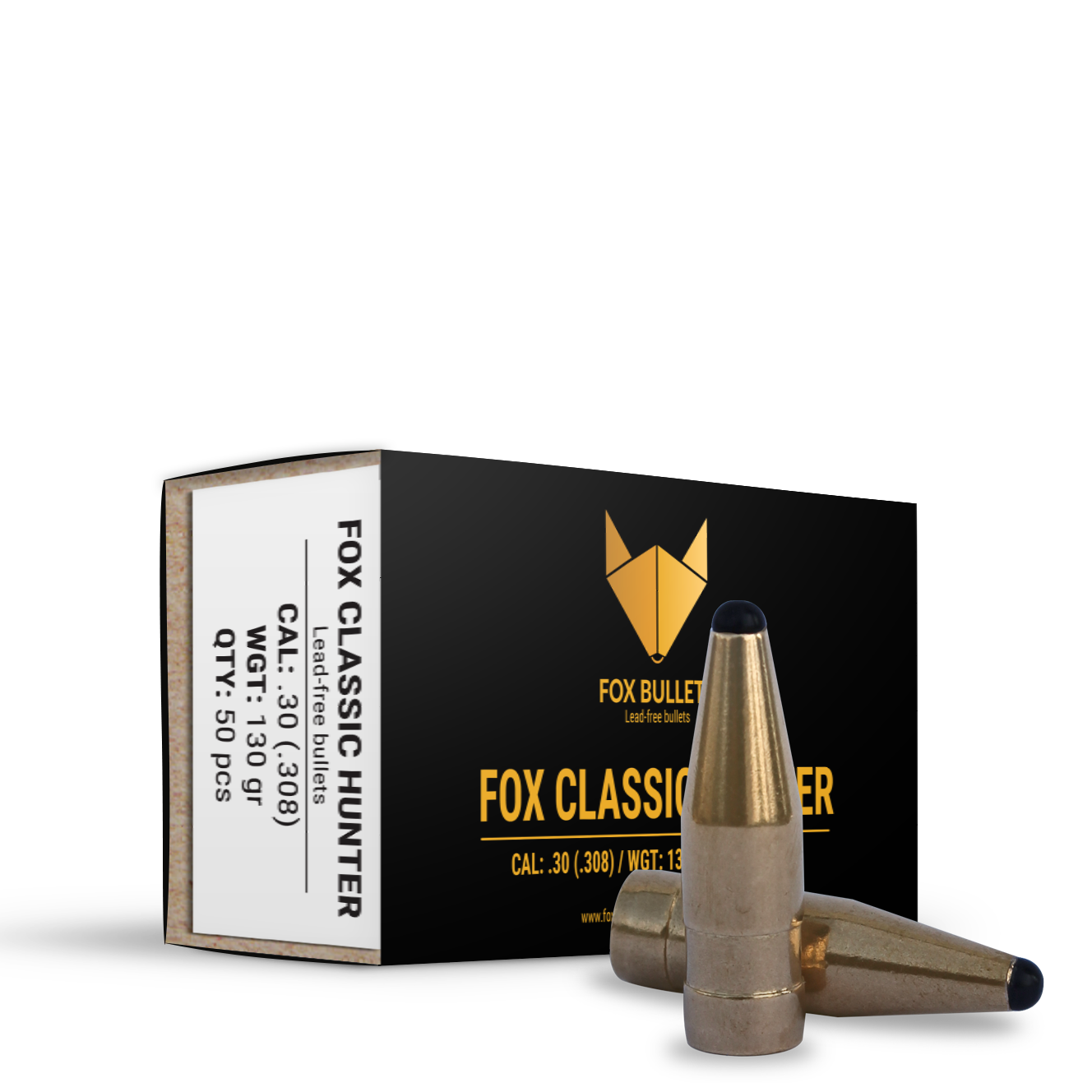
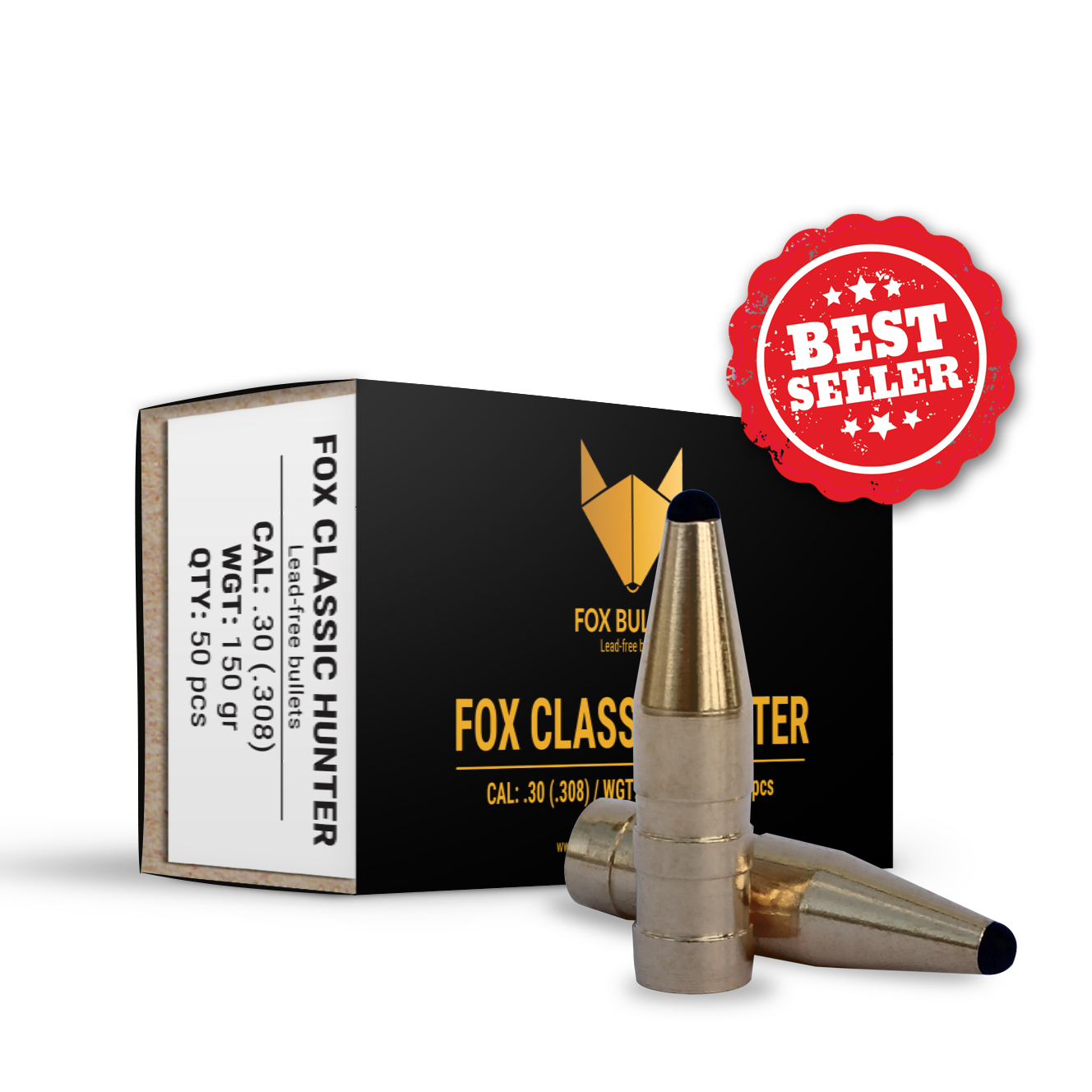
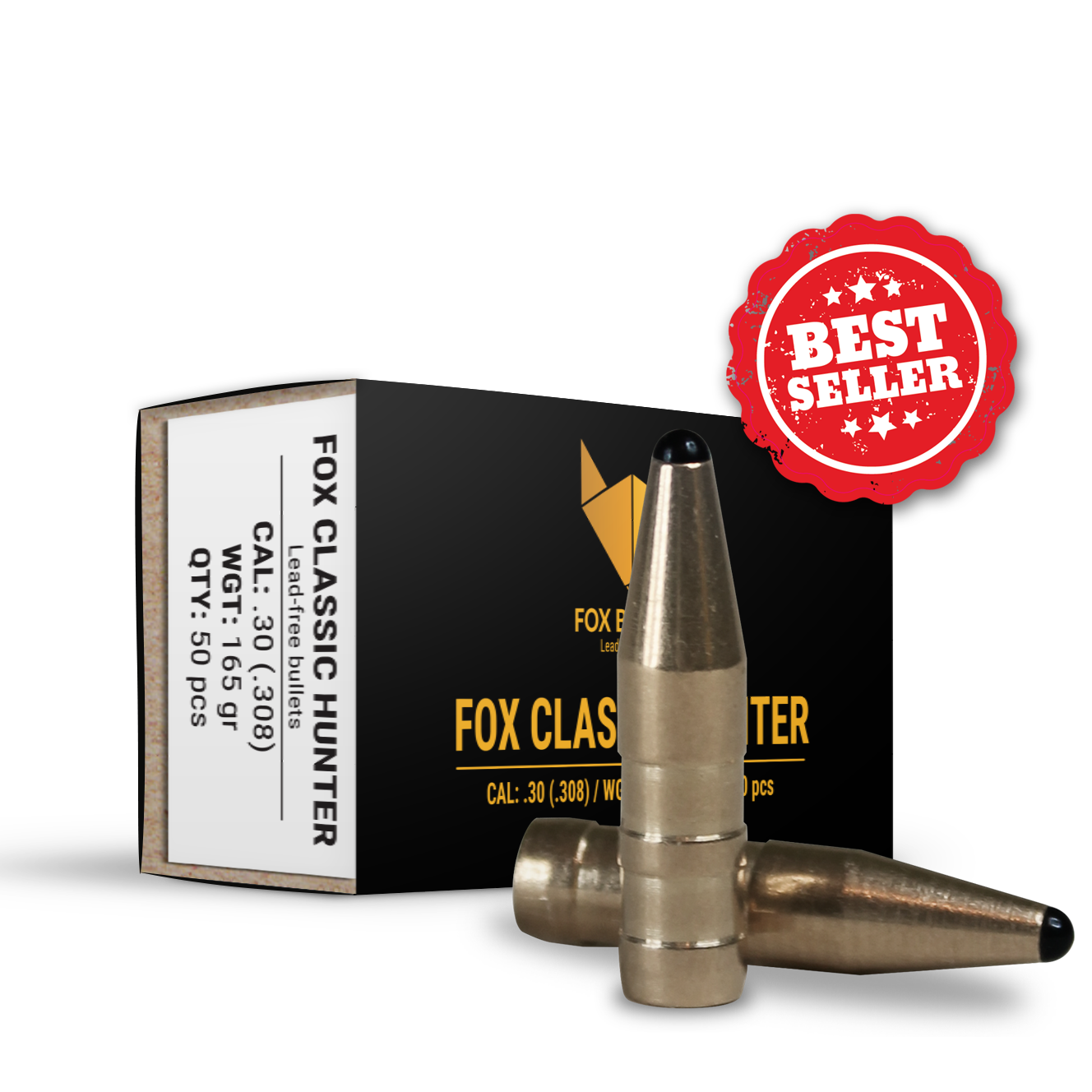
- .30 (.308) 130gr or 150gr: the 130 grain is fast and flat and does not waste meat.
The legal minimums
| Jurisdiction | Minimum requirement |
|---|---|
| England and Wales | Rifle of at least .240 inches calibre and muzzle energy of at least 2,305 J (1,700 ft-lb), firing an expanding bullet |
| Scotland | Bullet of at least 50 grains, muzzle energy at least 1,000 ft-lb, muzzle velocity at least 2,450 ft/s |
Summary only. Confirm against the primary sources listed at the foot of this page.
Note the difference: Scotland treats roe separately from the larger species, with a lower bullet weight and energy threshold. England and Wales apply the same .240 inch and 1,700 ft-lb requirement to roe as to red and fallow; there is no separate lighter provision, and no statutory minimum bullet weight.
Terminal performance on roe
A monolithic bullet on an animal this size will very often pass straight through, which means two things. First, be certain of your backstop. Second, the exit wound gives you a good blood trail on the rare occasion the beast moves. Because the bullet holds together rather than fragmenting, carcass damage is typically less than with a lead-core bullet of similar weight, which matters if you are selling or eating the venison.
The Deercast have used Fox bullets on roe since 2022 and their carcass inspection footage is linked from the shop.
Bullets for roe
Projectiles only: no powder, primers or loaded ammunition.
What is the best calibre for roe deer?
The .243 Winchester is the classic roe calibre and remains an excellent choice. Any of 6mm, 6.5mm, .270 or .308 will do the job well; the calibre you already own and shoot confidently matters more than the theoretical ideal.
Is 80 grain enough for roe deer?
Yes. In England and Wales there is no statutory minimum bullet weight for roe, only a minimum calibre of .240 inches and 1,700 ft-lb of muzzle energy. In Scotland the minimum for roe is 50 grains. An 80 grain monolithic is well above both and performs excellently on an animal this size.
Do the roe rules differ in Scotland?
Yes. Scotland sets a separate, lower threshold for roe, 50 grains minimum bullet weight, 1,000 ft-lb muzzle energy and 2,450 ft/s muzzle velocity, whereas England and Wales apply the same requirement to roe as to the larger species.
Read next
Oxon Deer stocks the full Fox Classic Hunter range in 6mm, 6.5mm, .270 and .308, in boxes of 50. Browse the shop.