
Terminal performance of lead free bullets: penetration, weight retention and carcass damage
What happens when a monolithic bullet strikes a deer, why penetration is deeper than the grain weight suggests, and what it means for the venison.
Last updated 28 July 2026
Terminal performance is what the bullet does once it arrives. For anyone stalking deer it matters more than any other property, both for a clean humane kill and for the amount of usable venison left afterwards.
The fundamental difference from lead
A conventional lead-core bullet expands by deforming its soft core, and in doing so frequently sheds a substantial fraction of its weight. Fragments scatter into the surrounding tissue. A monolithic has no core to lose: the nose peels back into petals that stay attached to the shank, and the bullet typically retains most of its mass.
| Lead-core | Monolithic | |
|---|---|---|
| Weight retained | Often a fraction | Typically most |
| Fragmentation | Common | Minimal |
| Penetration | Shallower for weight | Deeper for weight |
| Metal left in carcass | More, and scattered | Less |
Why penetration is better than the number suggests
A bullet that stays in one piece keeps its sectional density and keeps driving forward. A bullet that fragments loses mass and stalls. This is why a 130 grain monolithic can out-penetrate a heavier lead-core bullet, and why the one-step-lighter rule does not cost you as much as it appears to.
The practical consequence for stalking is a higher likelihood of a clean pass-through, which means a better blood trail on the rare occasion one is needed, and a corresponding responsibility to be certain of what lies behind the animal.
Carcass damage and the meat
This is where lead free earns its reputation among people who eat what they shoot. Fragmenting lead scatters small particles well beyond the wound channel, which is precisely the concern behind the shift away from lead in game meat. A monolithic that stays intact leaves a cleaner wound channel and far less metal distributed through the carcass: meaning less trimming and less waste.
The velocity dependency
The one genuine caveat. Every expanding bullet has a minimum impact velocity below which it will not open up properly, and monolithics are typically more sensitive to this than soft lead-core bullets. Arrive too slowly and you risk a bullet that passes straight through with little energy transfer.
- Know the realistic range limit of your load rather than assuming expansion at any distance.
- For longer shots, favour a higher-BC weight that holds velocity better: see ballistic coefficient explained.
- For close woodland work, a lighter, faster bullet arrives well above the expansion threshold and shoots flat.
Seeing it for yourself
The most useful evidence available on how these bullets perform on British deer is the carcass inspection footage from The Deercast, who have used Fox exclusively on red, fallow, roe, muntjac and Chinese water deer since 2022. The videos are linked from the shop page; recovered bullets and wound channels are considerably more informative than any manufacturer's diagram.
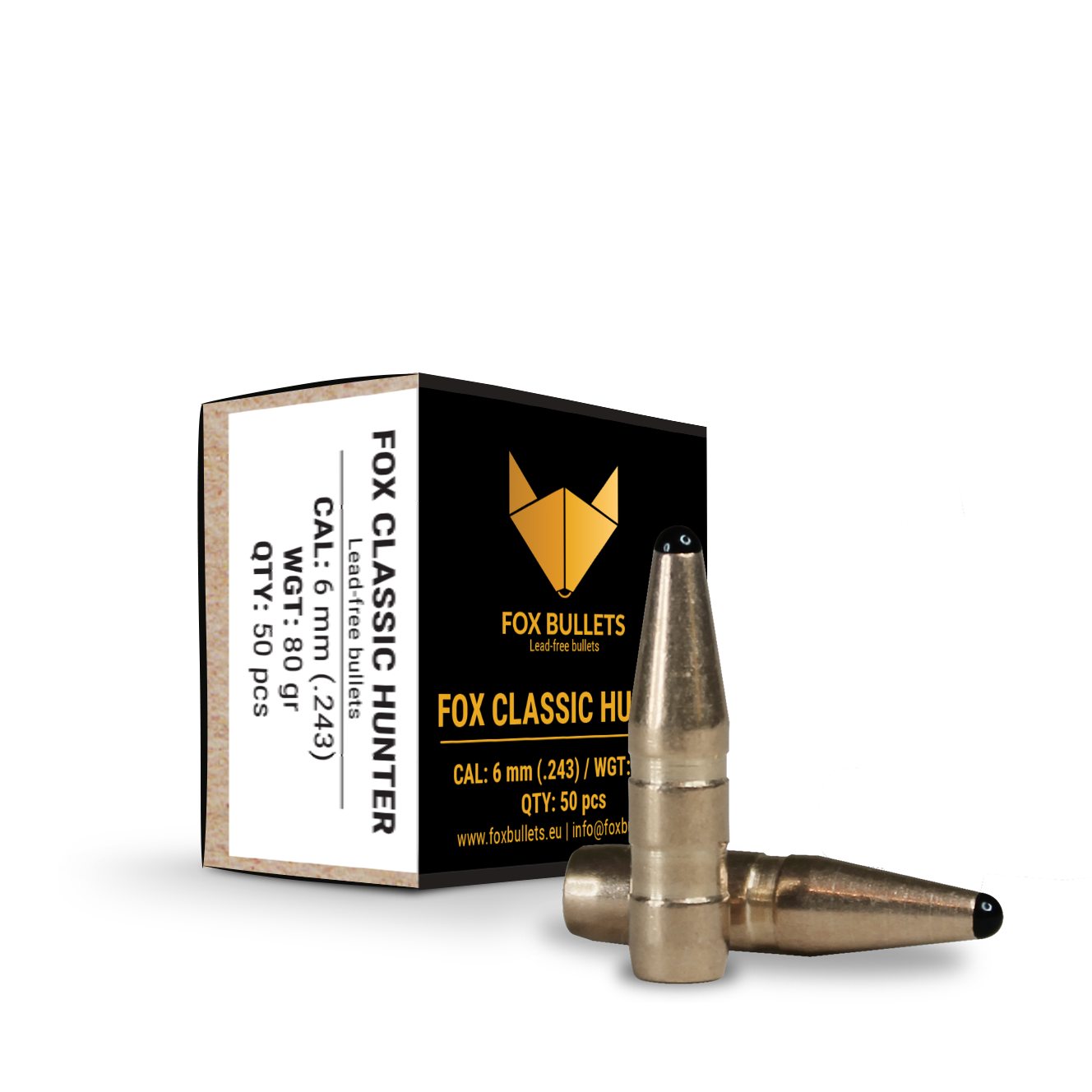
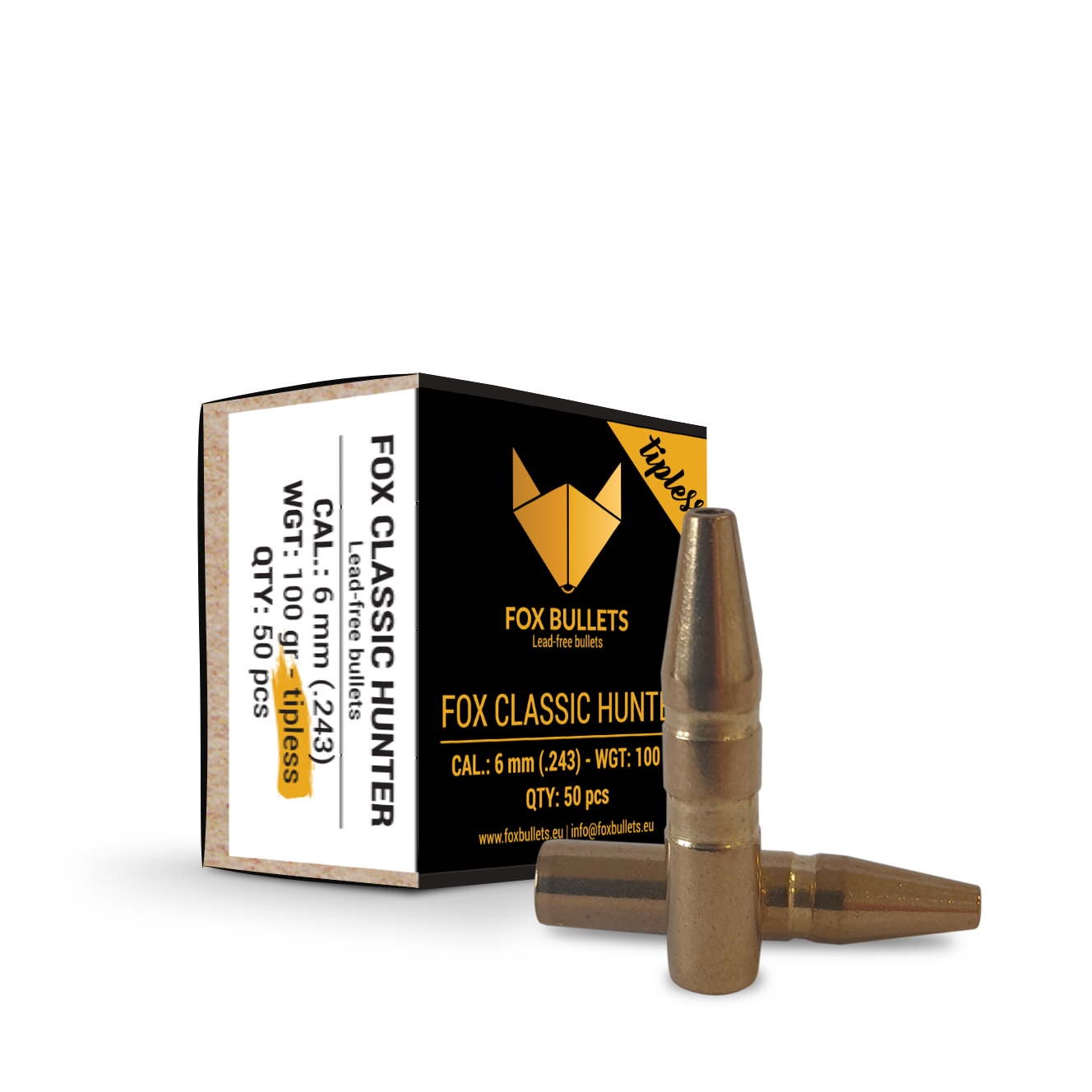
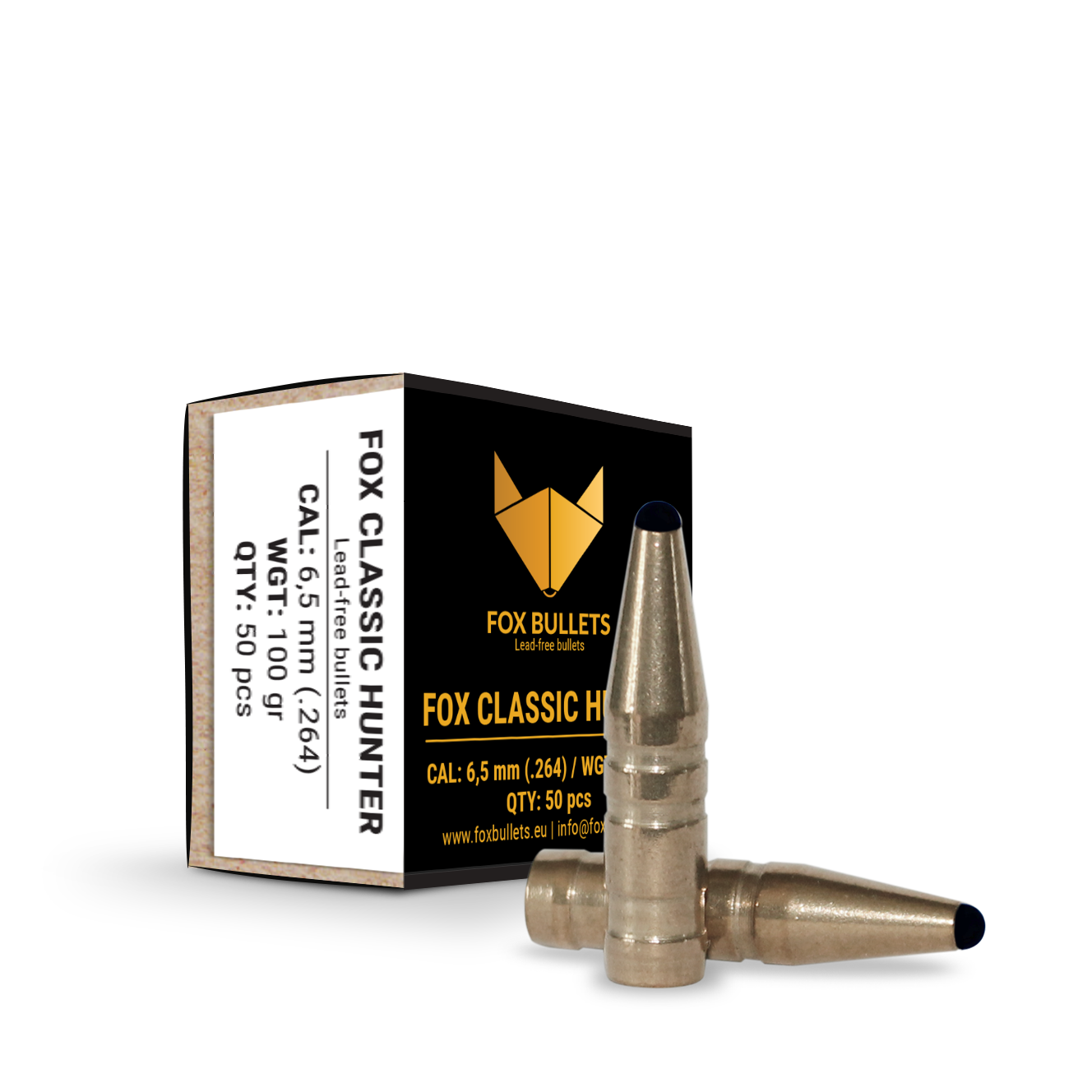
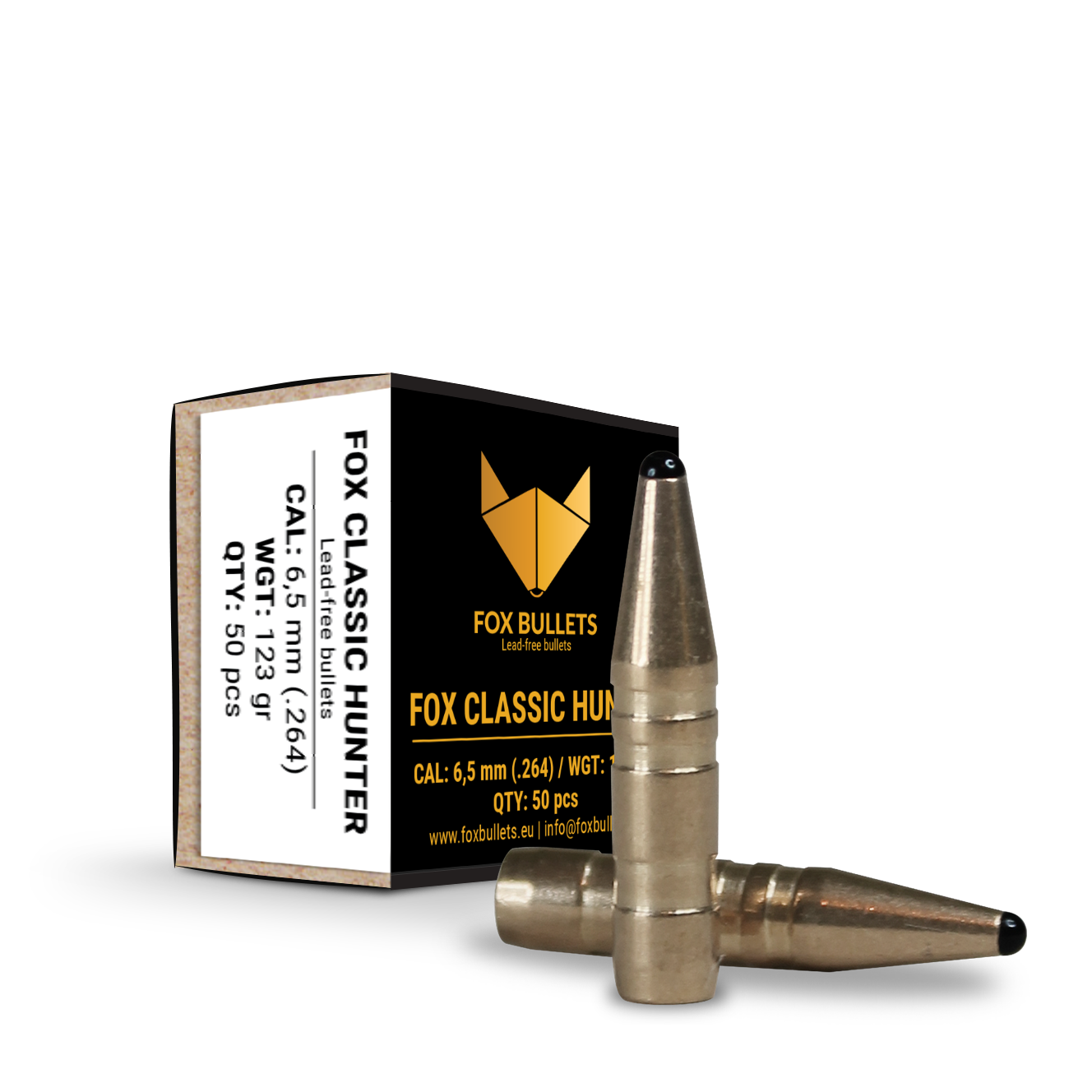
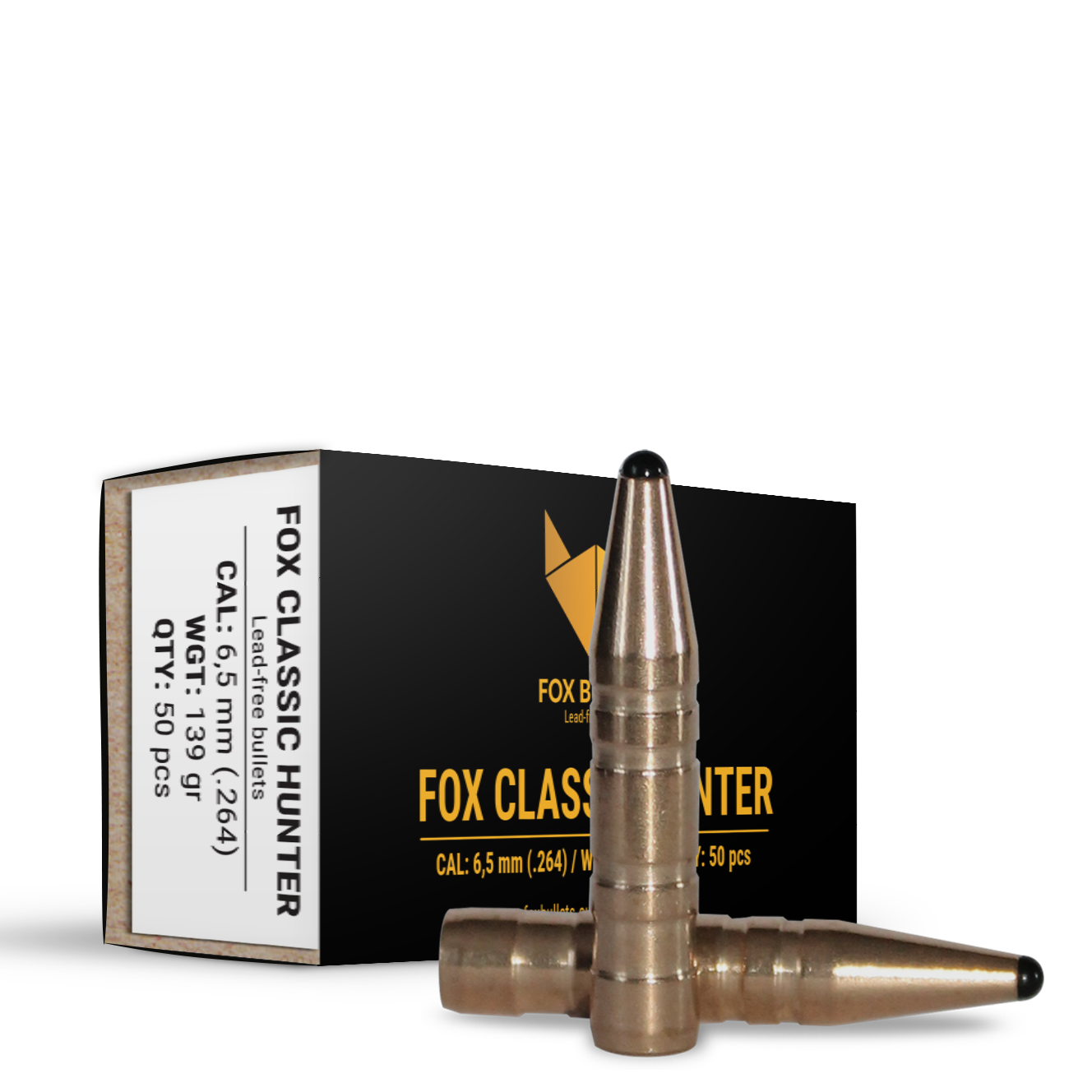
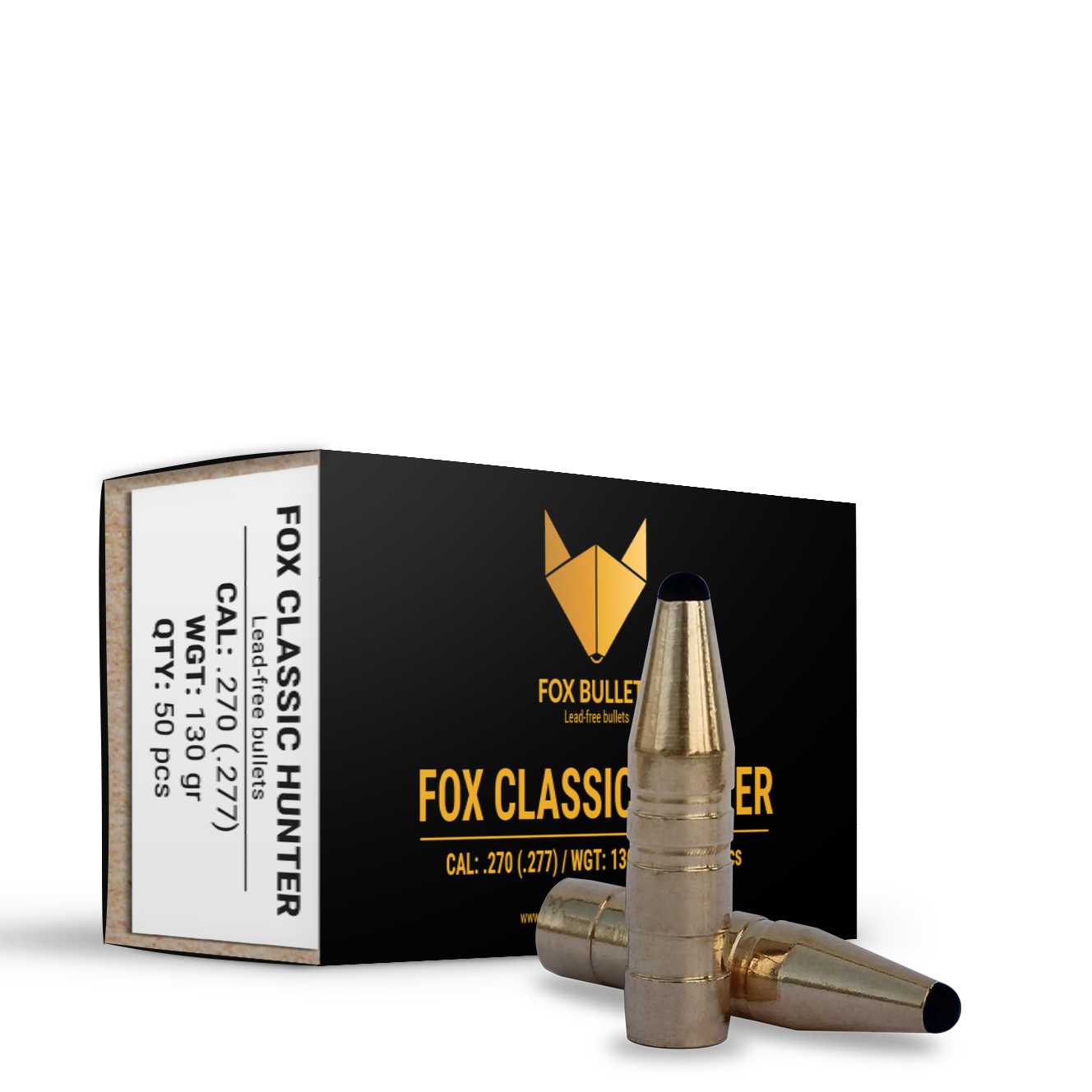
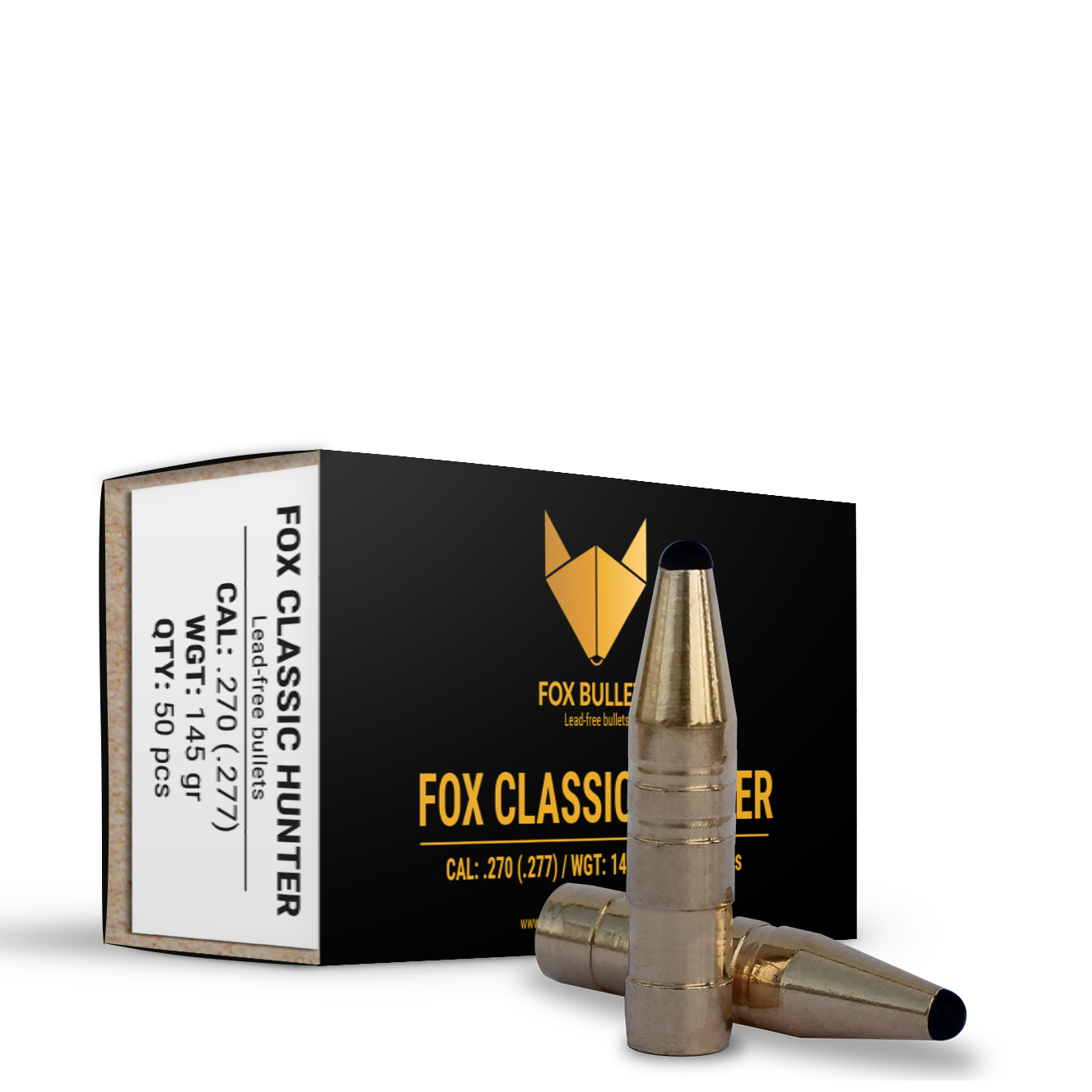
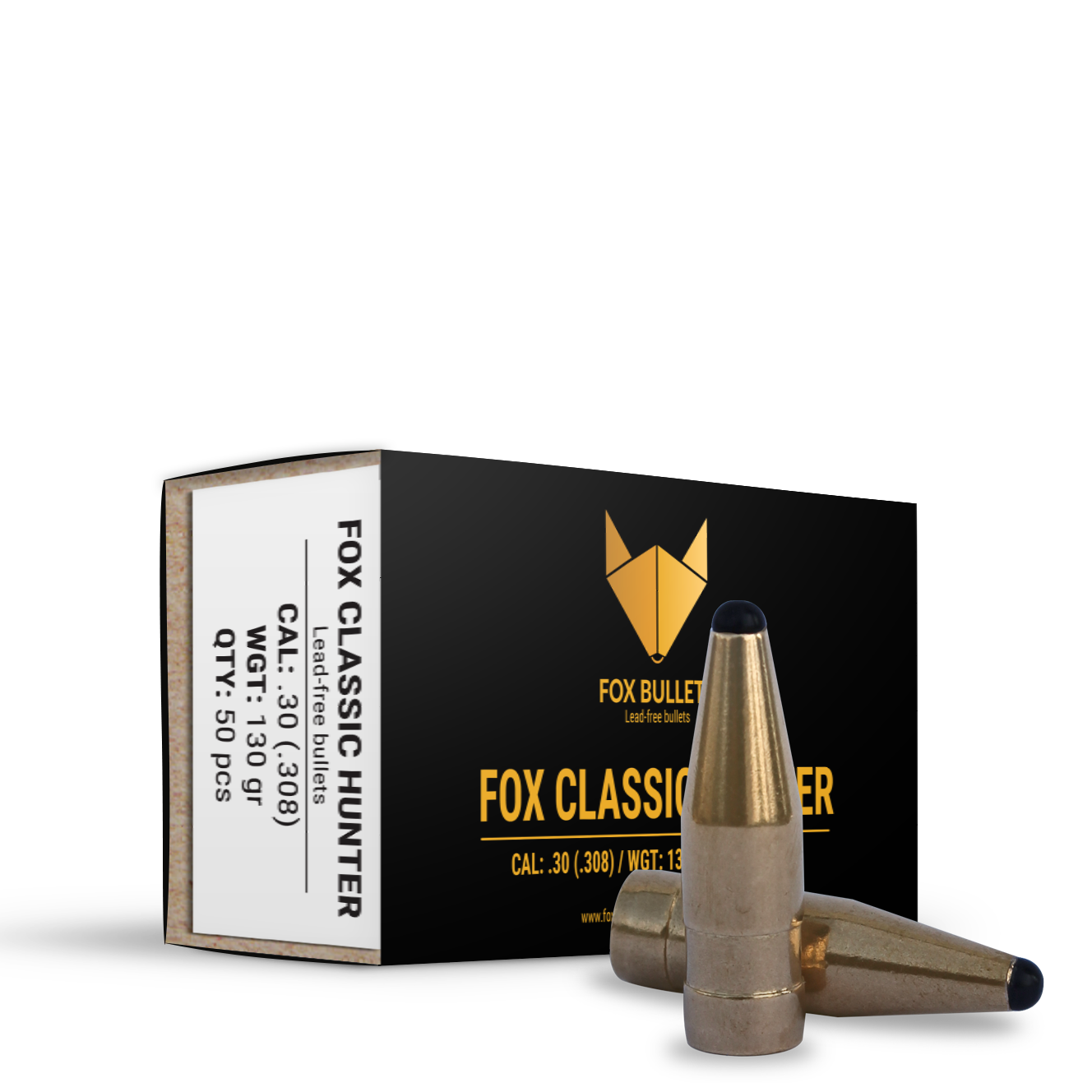
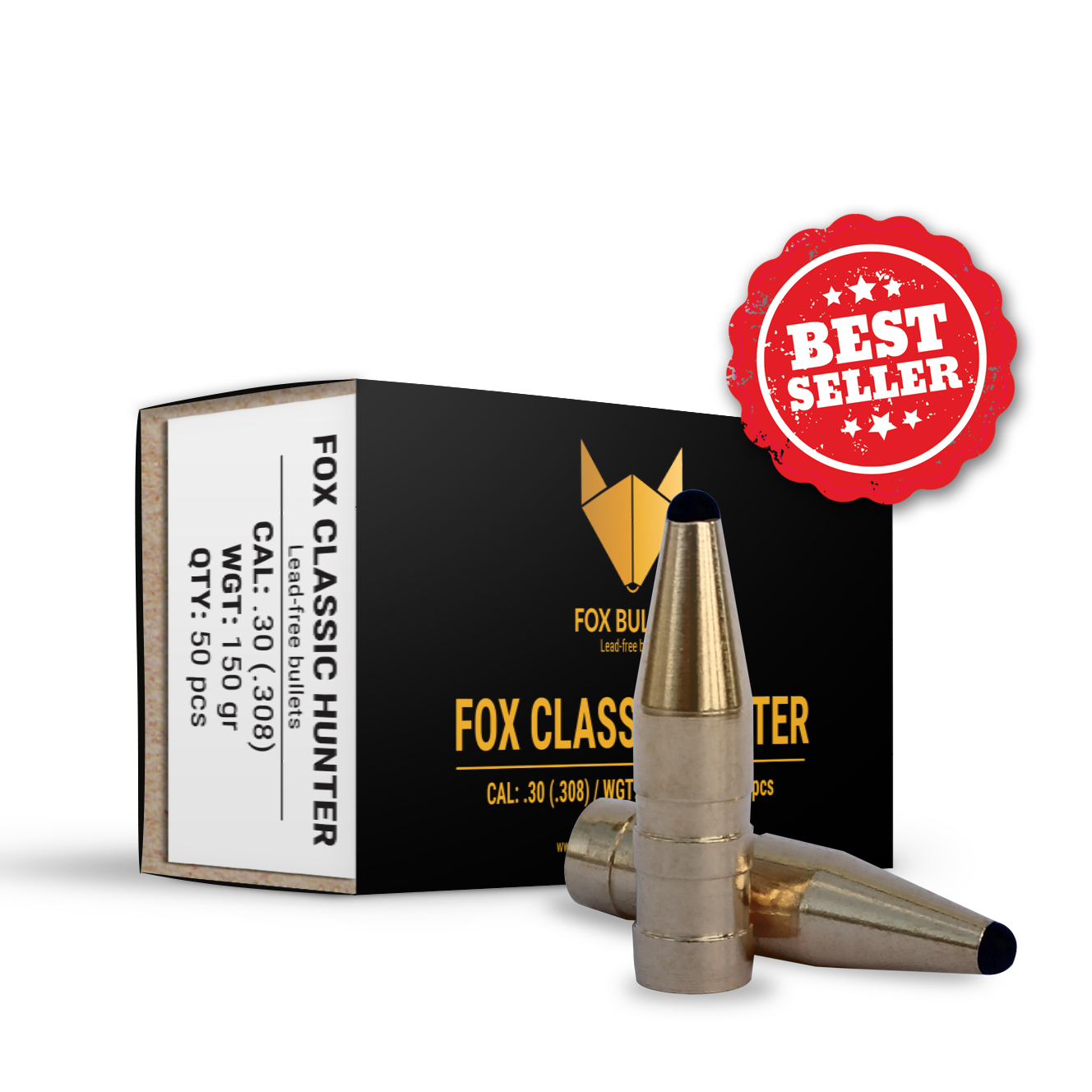
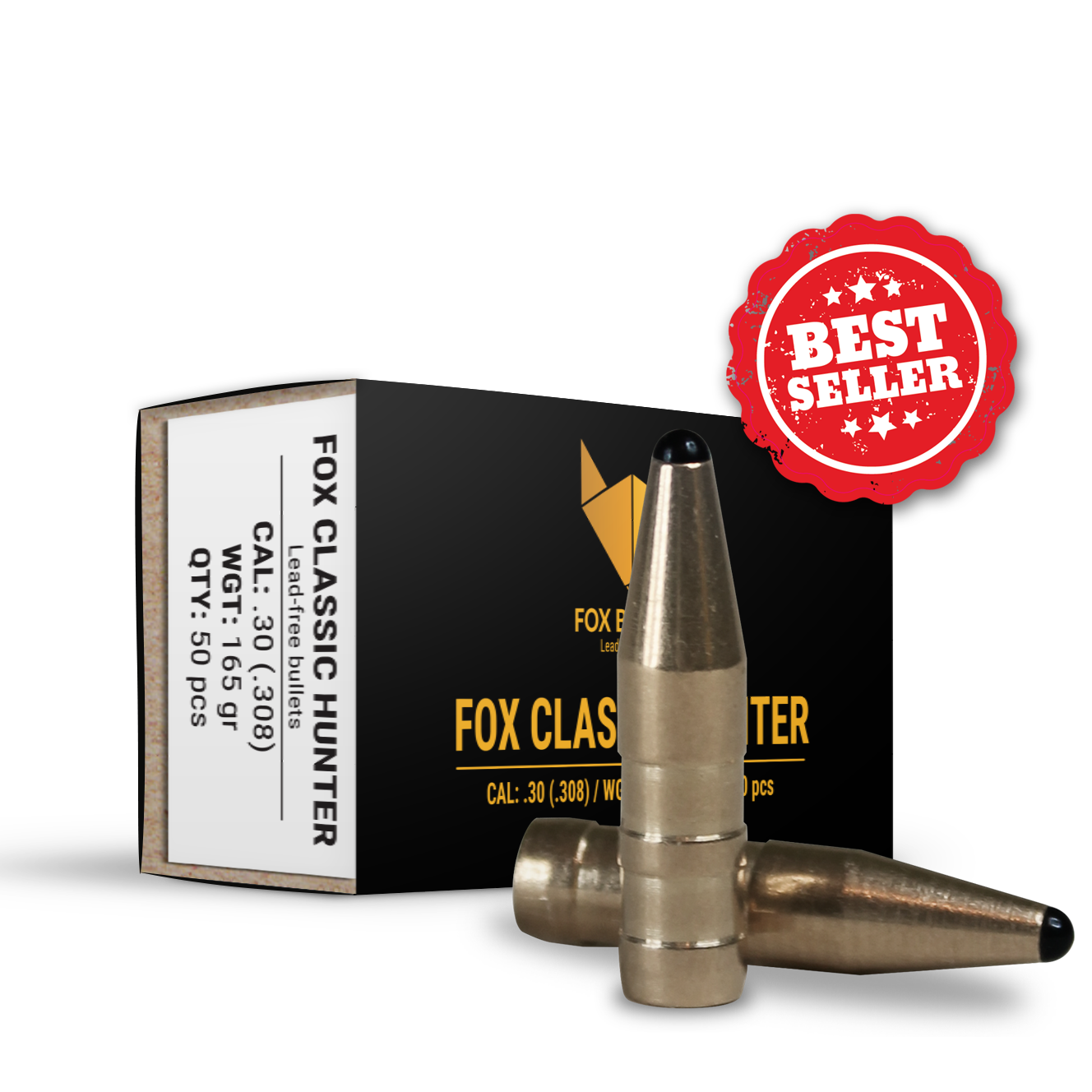
Fox Classic Hunter
Projectiles only: no powder, primers or loaded ammunition.
Do lead free bullets damage more or less meat?
Generally less. Monolithic bullets stay intact rather than fragmenting, so they leave a cleaner wound channel and scatter far less metal through the surrounding tissue, which means less trimming.
Do copper bullets over-penetrate?
They penetrate deeper than a lead-core bullet of the same weight because they retain their mass. Pass-throughs are more common, which gives a better blood trail but means being certain of what is behind the animal.
How much weight does a monolithic bullet retain?
Typically most of it, since there is no lead core to separate. The petals peel back but remain attached to the shank.
At what range do lead free bullets stop expanding?
It depends on the specific bullet, the cartridge and the muzzle velocity; there is no single figure. Establish the realistic limit for your own load and stay within it.
Read next
Oxon Deer stocks the full Fox Classic Hunter range in 6mm, 6.5mm, .270 and .308, in boxes of 50. Browse the shop.