
Lead in game meat: what the evidence says
The health and environmental case behind the move away from lead ammunition, and what it means for people who eat what they shoot.
Last updated 28 July 2026
The restrictions arriving in 2028 and 2029 did not come out of nowhere. They are the end point of a long-running assessment of lead as a toxic substance, run through the chemicals regulation framework rather than through wildlife or firearms law. It is worth understanding the argument, whatever you conclude about it.
Two separate concerns
The case against lead ammunition rests on two distinct strands, and they are often muddled together.
- Human dietary exposure. Lead fragments left in game meat are ingested by the people who eat it. Lead is a cumulative toxin with no established safe intake level, and the concern is greatest for children and pregnant women.
- Wildlife exposure. Lead left in gralloch and in carcasses is eaten by scavenging birds and mammals. This is the strand behind much of the conservation interest, particularly for raptors.
Why trimming does not settle it
The common response is that you cut away the damaged meat. The difficulty is that a fragmenting lead bullet does not deposit its fragments neatly around the wound channel; imaging studies of shot game have repeatedly found small particles distributed well beyond the visibly damaged tissue, in meat a stalker would have no reason to discard.
That is the specific finding that makes bullet construction, rather than butchery practice, the lever that actually moves the problem.
Where the official position sits
The Food Standards Agency publishes advice on game meat and lead, including guidance aimed at frequent consumers and at vulnerable groups. The Health and Safety Executive ran the UK REACH restriction process that led to the 2026 regulations. Between them those two sources are the ones worth reading directly rather than second-hand.
What monolithic bullets change
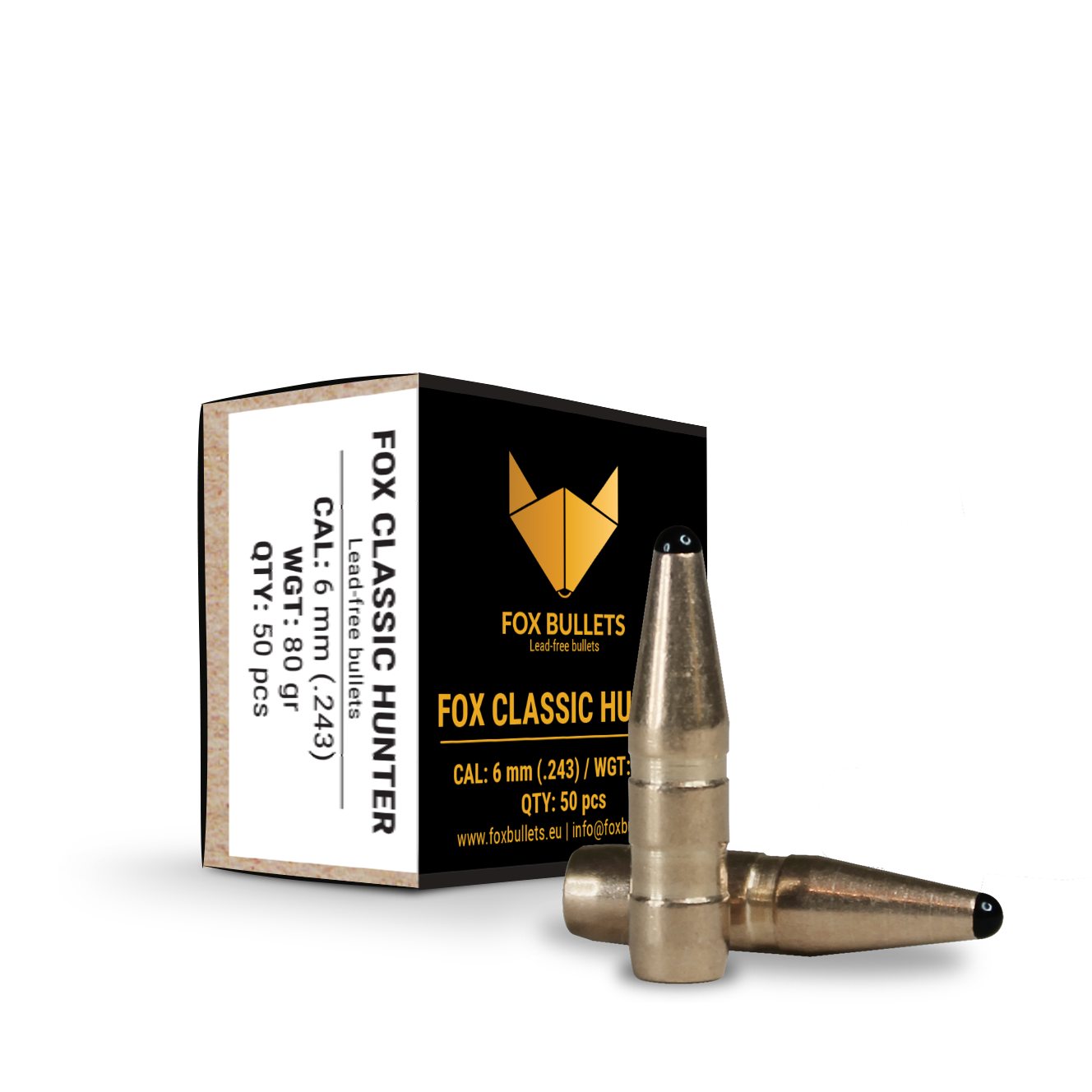
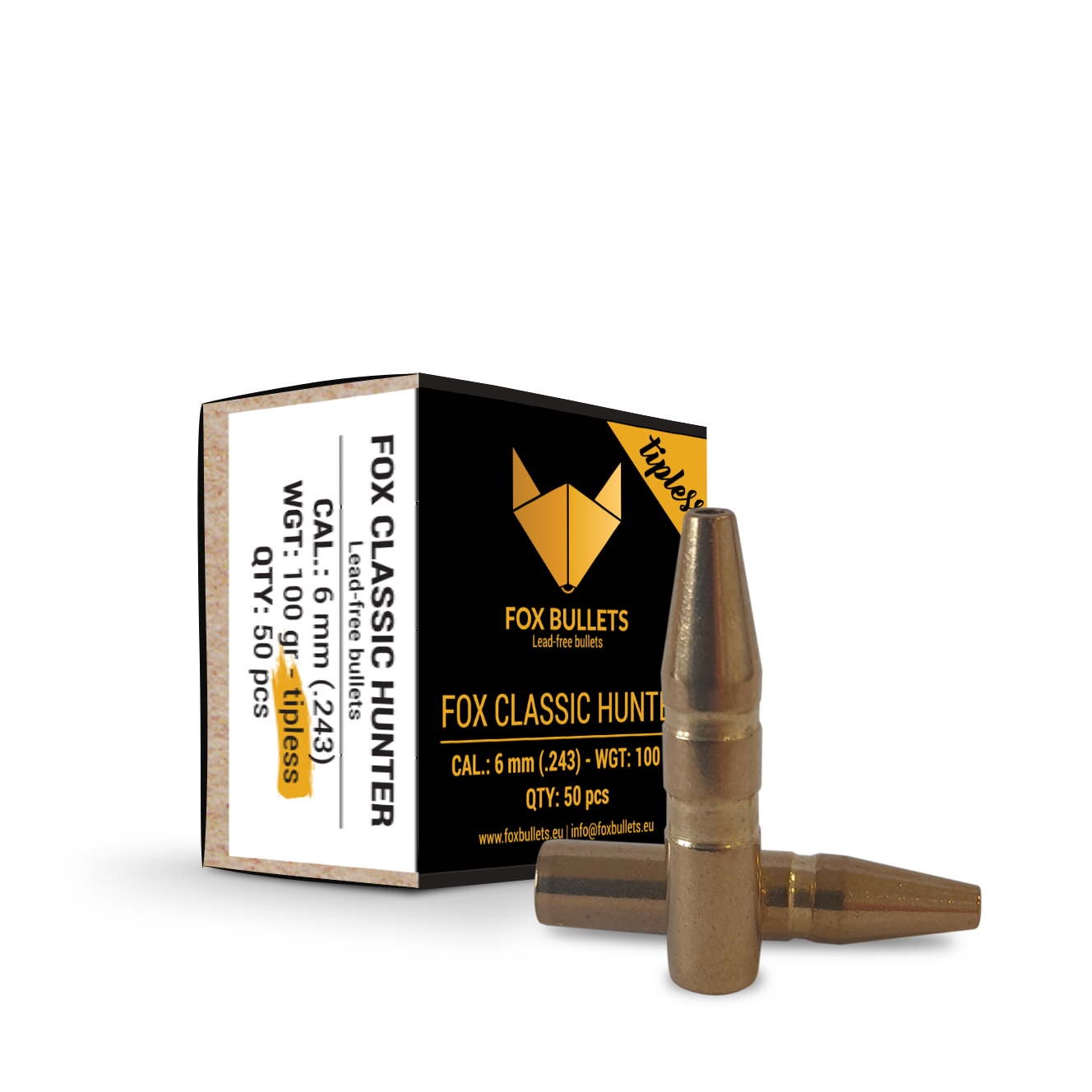
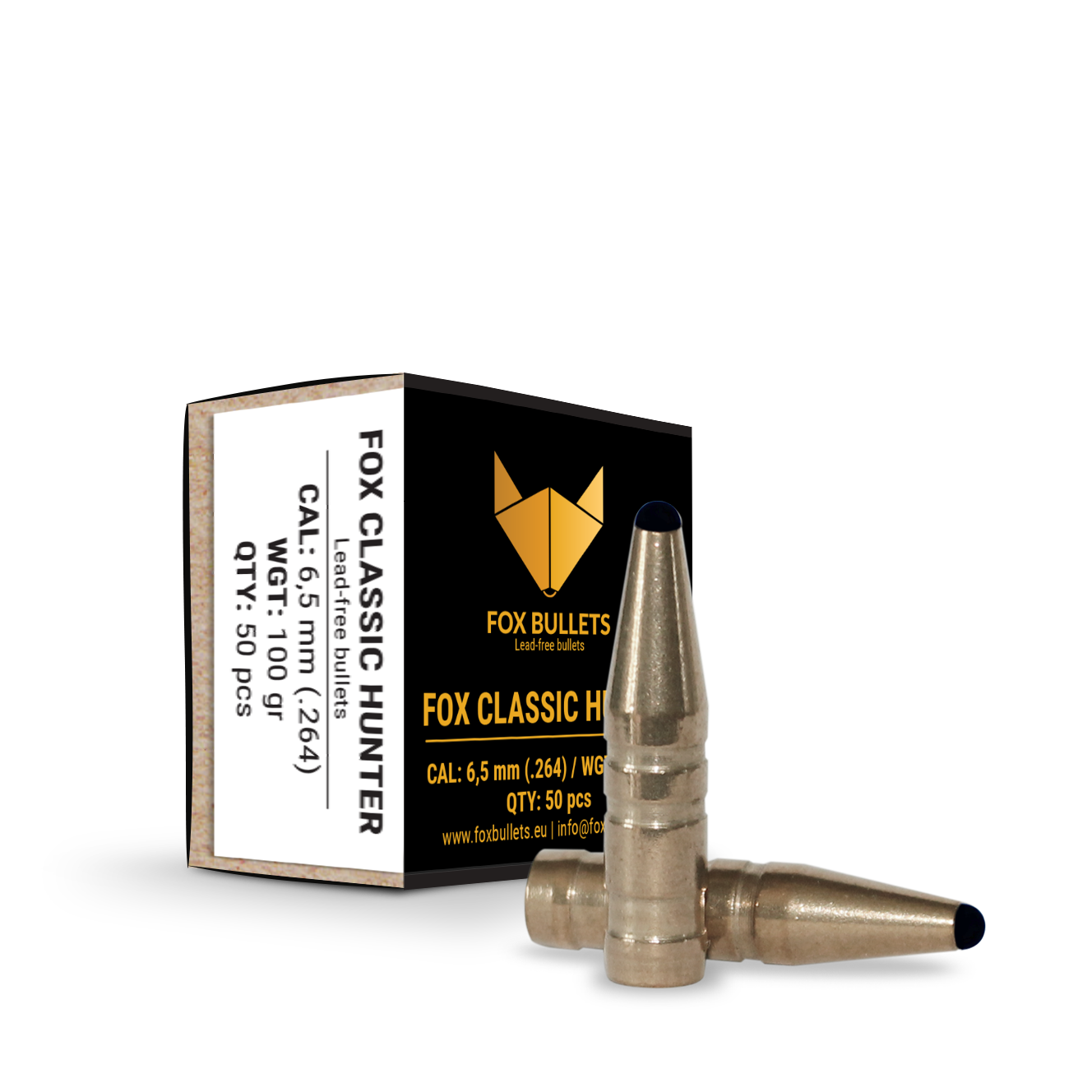
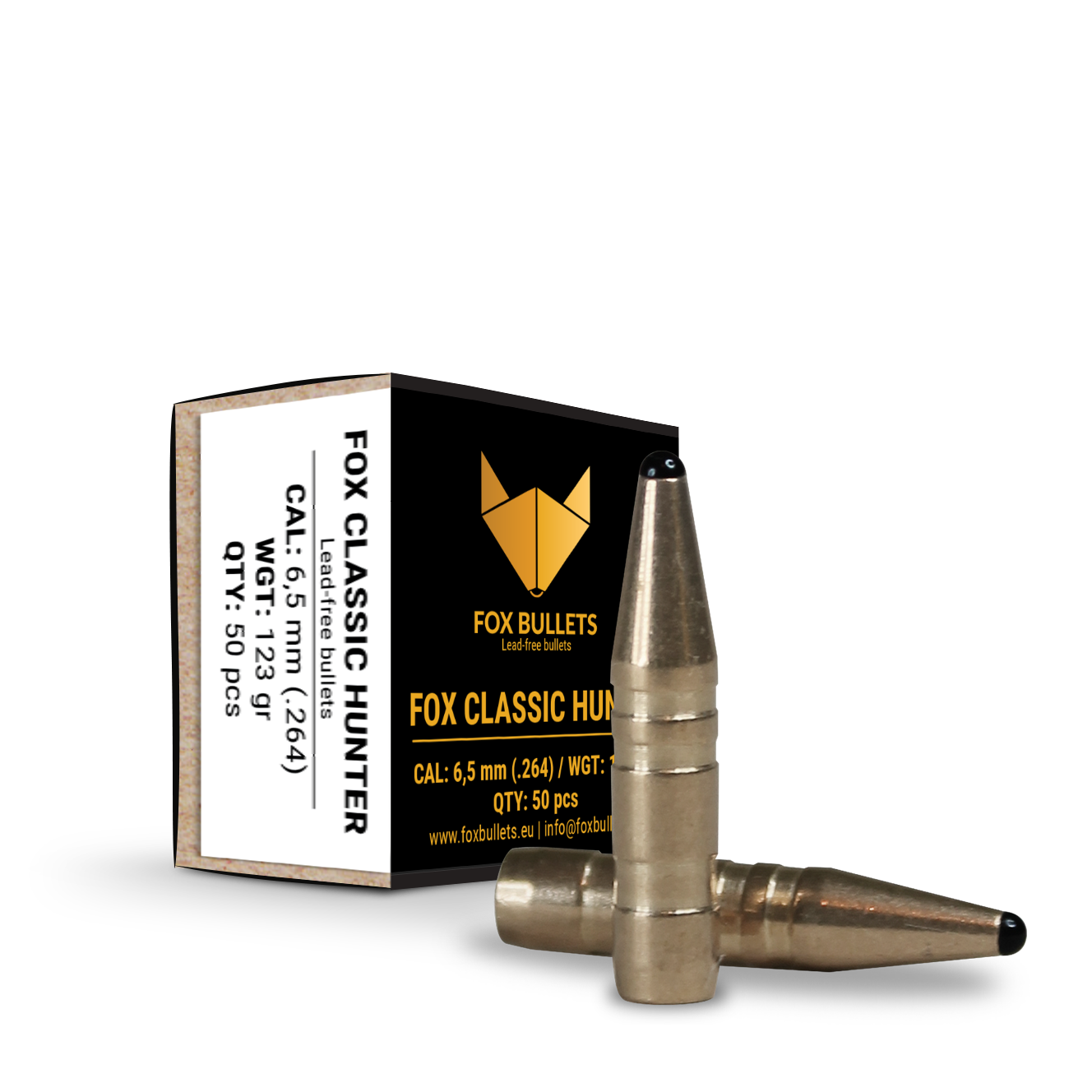
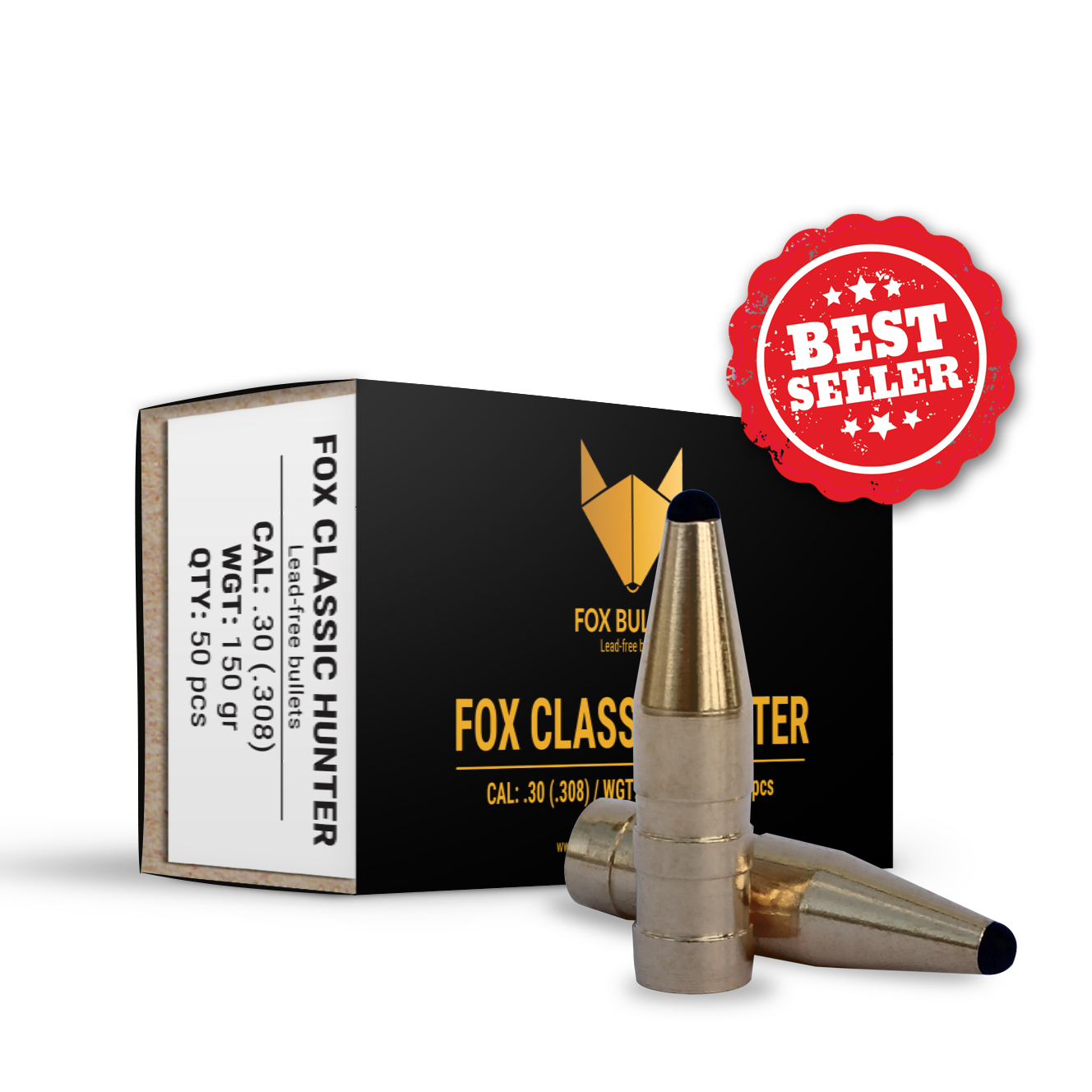
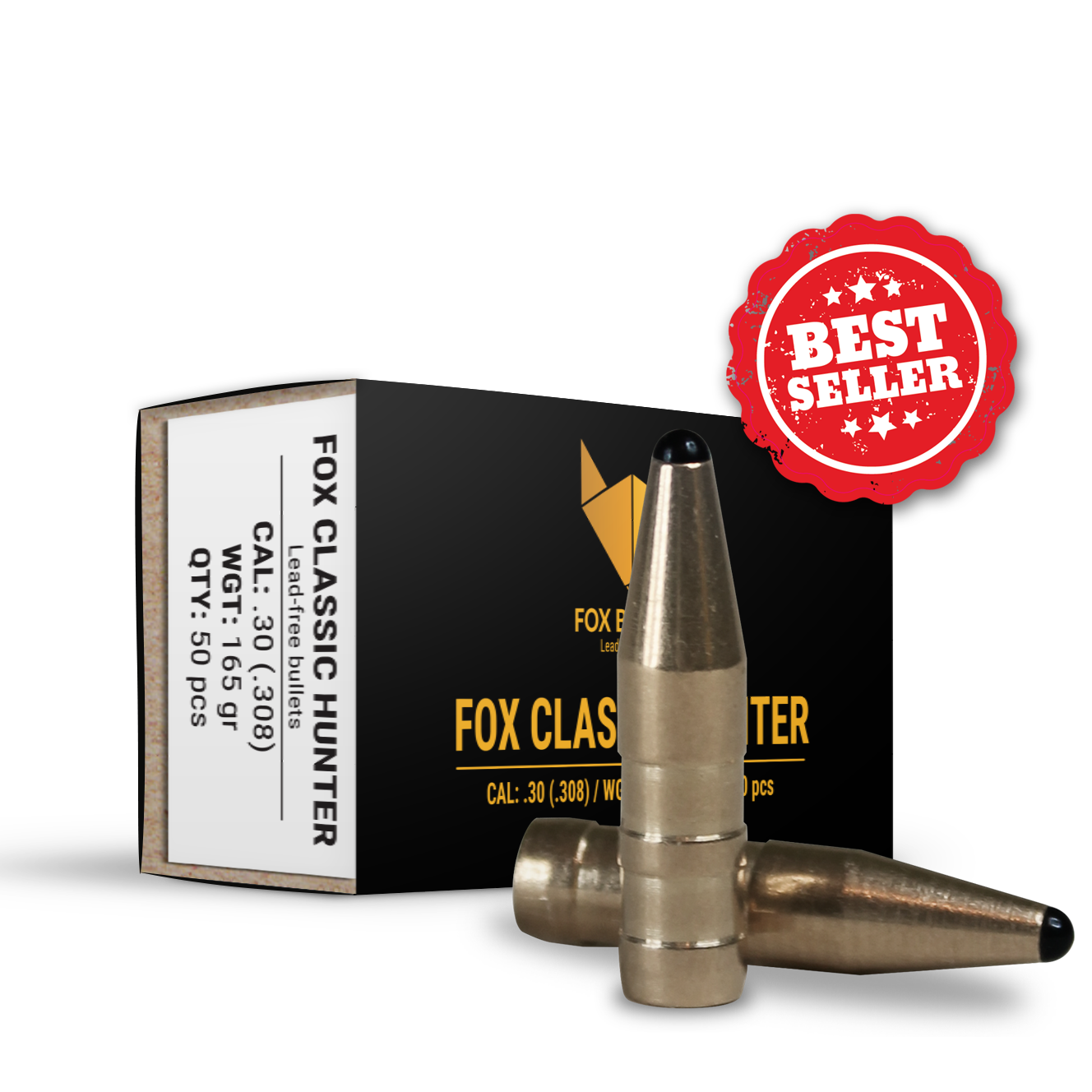
A lead free monolithic contains no lead to deposit, and, because it holds together rather than fragmenting, leaves far less metal of any kind distributed through the carcass. Both strands of the concern are addressed by the same change.
For most stalkers who eat their own venison, that is the argument that lands before any regulatory deadline does. Terminal performance of lead free bullets covers what actually happens in the carcass.
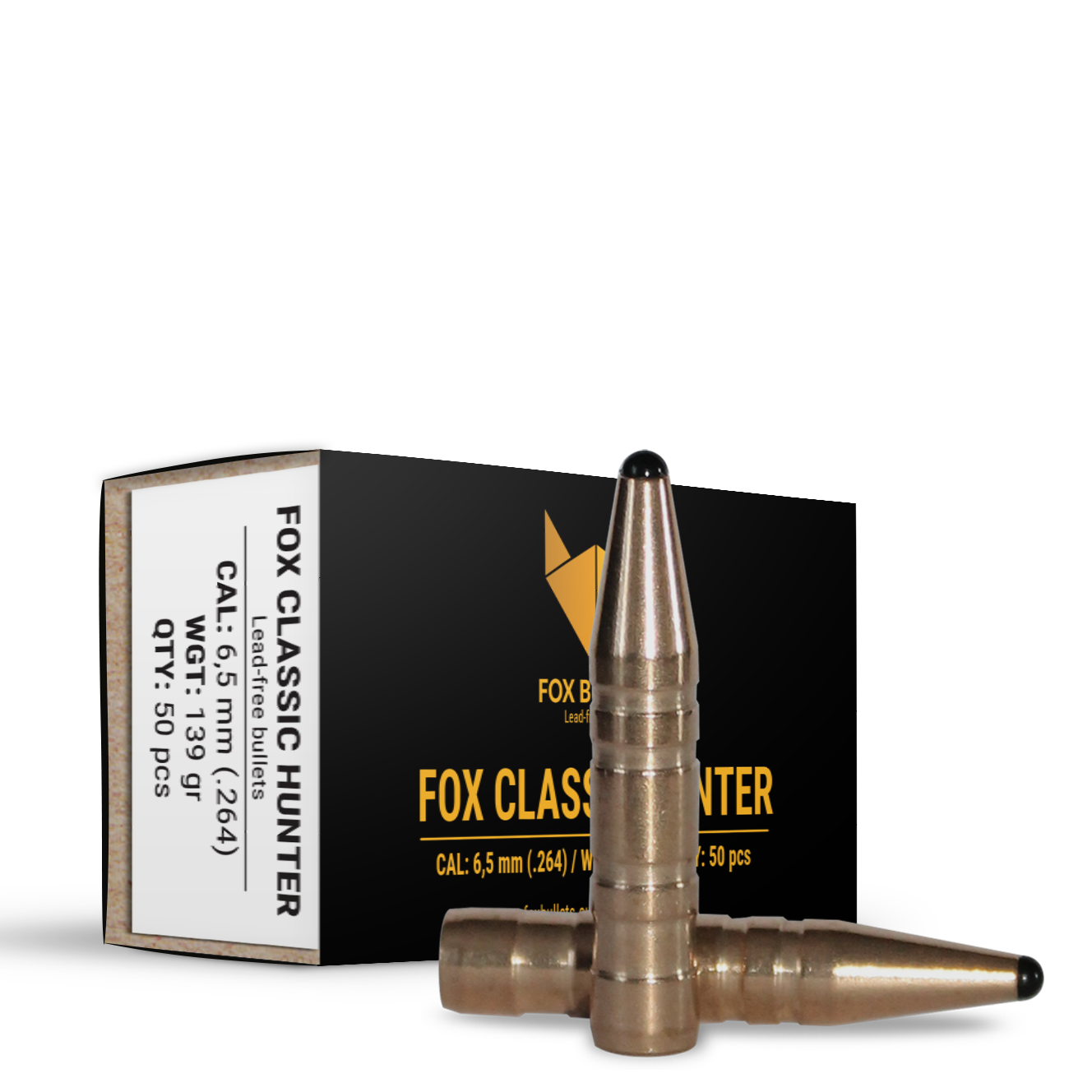
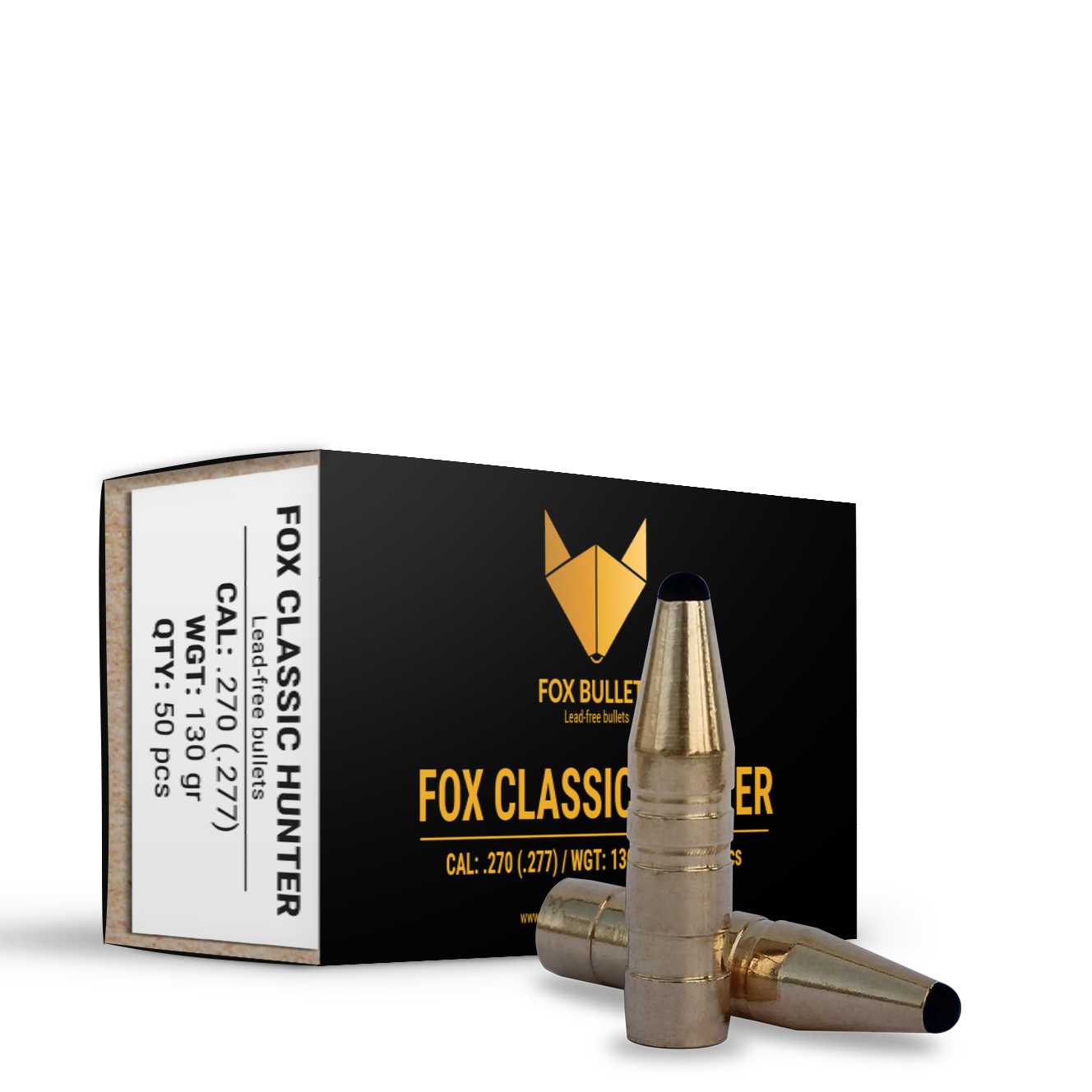
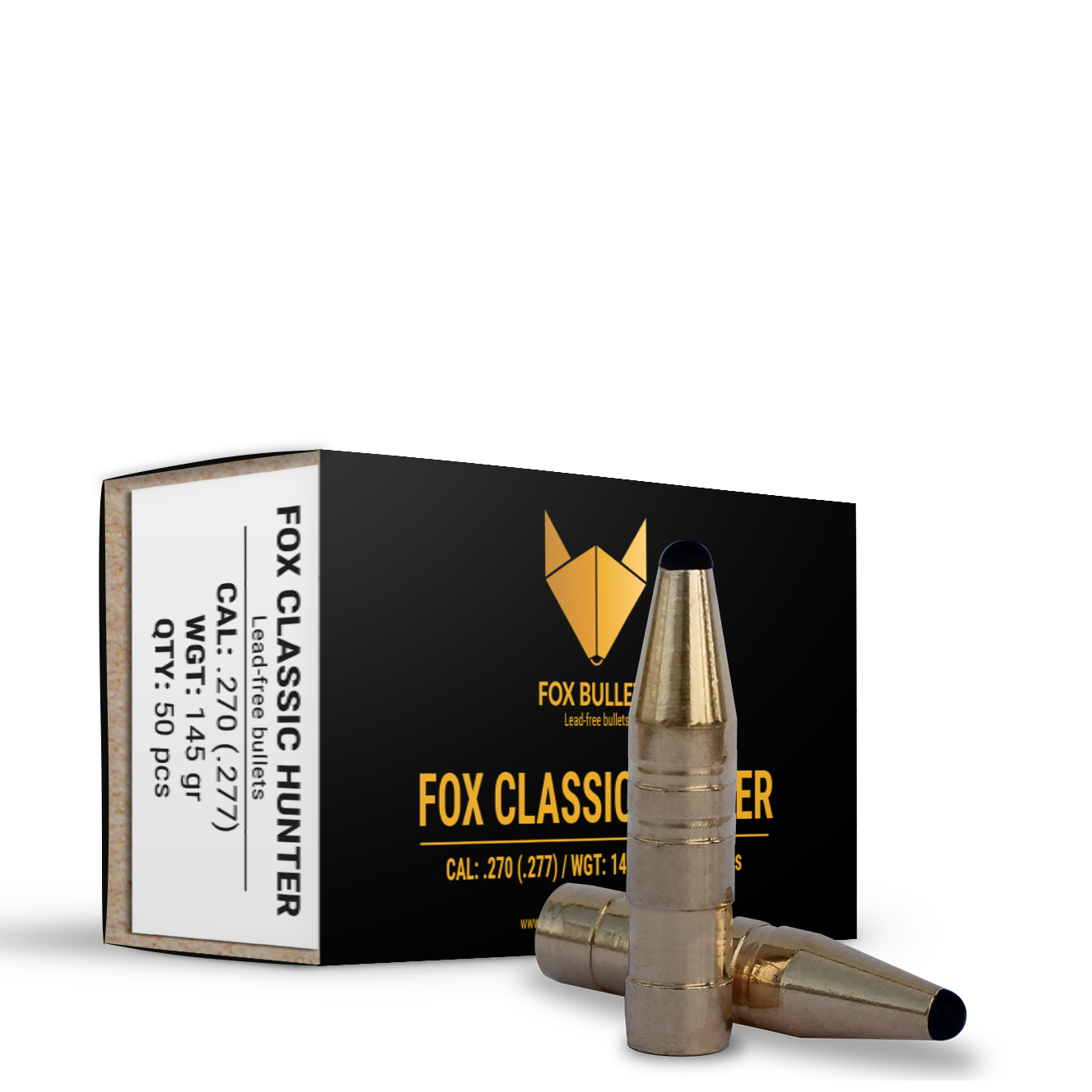
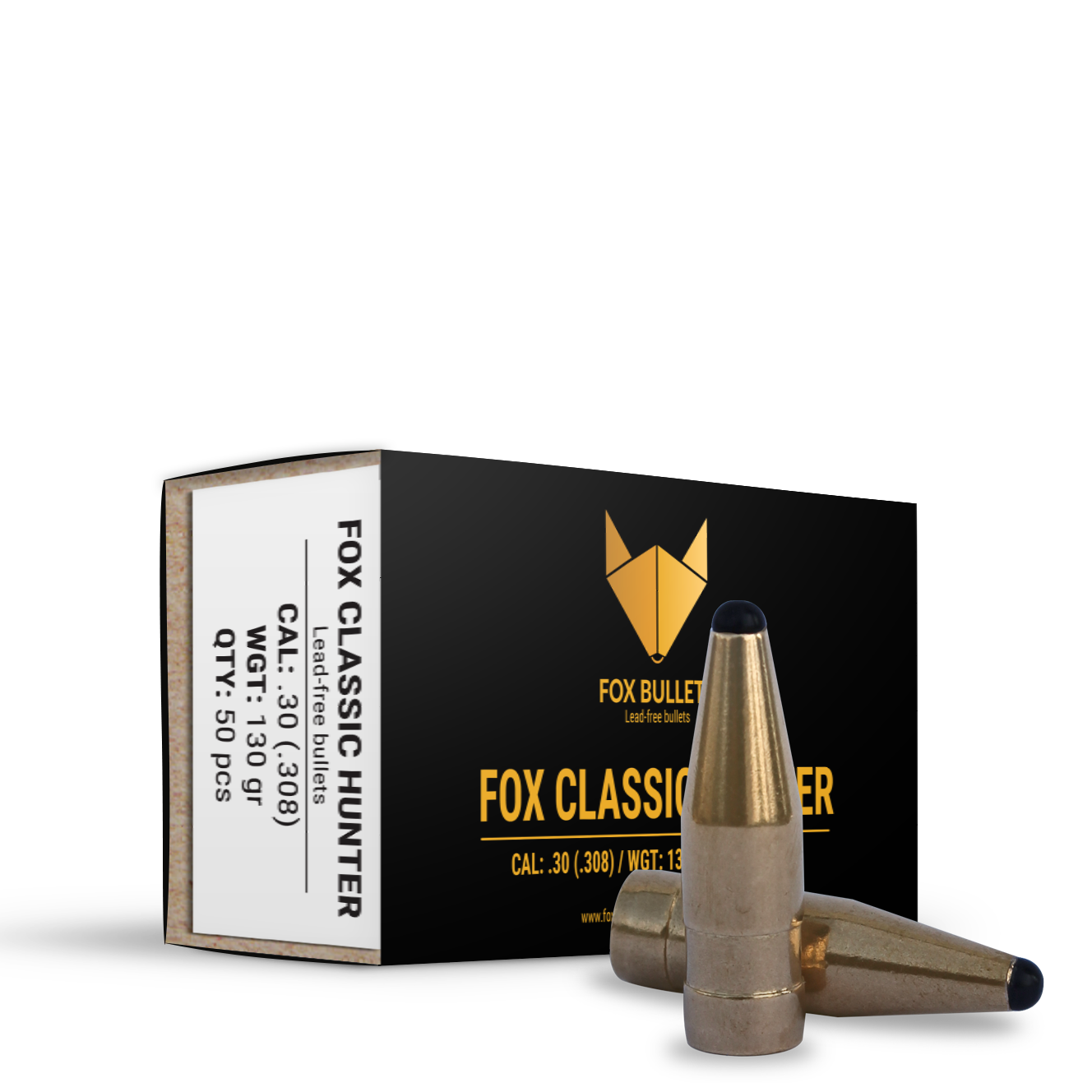
Lead free, in every calibre we stock
Projectiles only: no powder, primers or loaded ammunition.
Is it dangerous to eat game shot with lead ammunition?
Lead is a cumulative toxin with no established safe intake level, and the Food Standards Agency publishes advice for frequent consumers of game and for vulnerable groups including children and pregnant women. Read the FSA guidance directly rather than relying on a summary.
Does trimming remove lead fragments from venison?
Not reliably. Imaging of shot game has found small fragments distributed well beyond the visibly damaged tissue, in meat that would not normally be trimmed away.
Why do conservation bodies care about lead ammunition?
Lead left in gralloch and in unrecovered carcasses is eaten by scavenging birds and mammals, with raptors a particular concern. That is a separate strand of the argument from human dietary exposure.
Do copper bullets leave anything in the meat?
A monolithic bullet holds together rather than fragmenting, so it leaves far less metal distributed through the carcass, and no lead at all.
Read next
Oxon Deer stocks the full Fox Classic Hunter range in 6mm, 6.5mm, .270 and .308, in boxes of 50. Browse the shop.