
Ballistic coefficient explained for deer stalkers
What G1 ballistic coefficient actually means, when it matters for stalking, and the published BC of every Fox Classic Hunter weight.
Last updated 28 July 2026
Ballistic coefficient is one of the most quoted and least understood numbers on a box of bullets. It is worth understanding properly, partly so you can use it and partly so you stop over-weighting it.
What BC actually measures
Ballistic coefficient is a measure of how well a bullet resists air drag. A higher number means the bullet slows down less as it flies. That is all it is. It does not measure accuracy, terminal performance, or how hard the bullet hits.
A bullet with a higher BC will, all else equal, drop less at a given distance, drift less in a crosswind, and arrive with more retained velocity, which in turn matters for expansion.
The Fox Classic Hunter figures
| Bullet | Weight | G1 BC |
|---|---|---|
| 6.5mm (.264) | 139 gr | 0.425 |
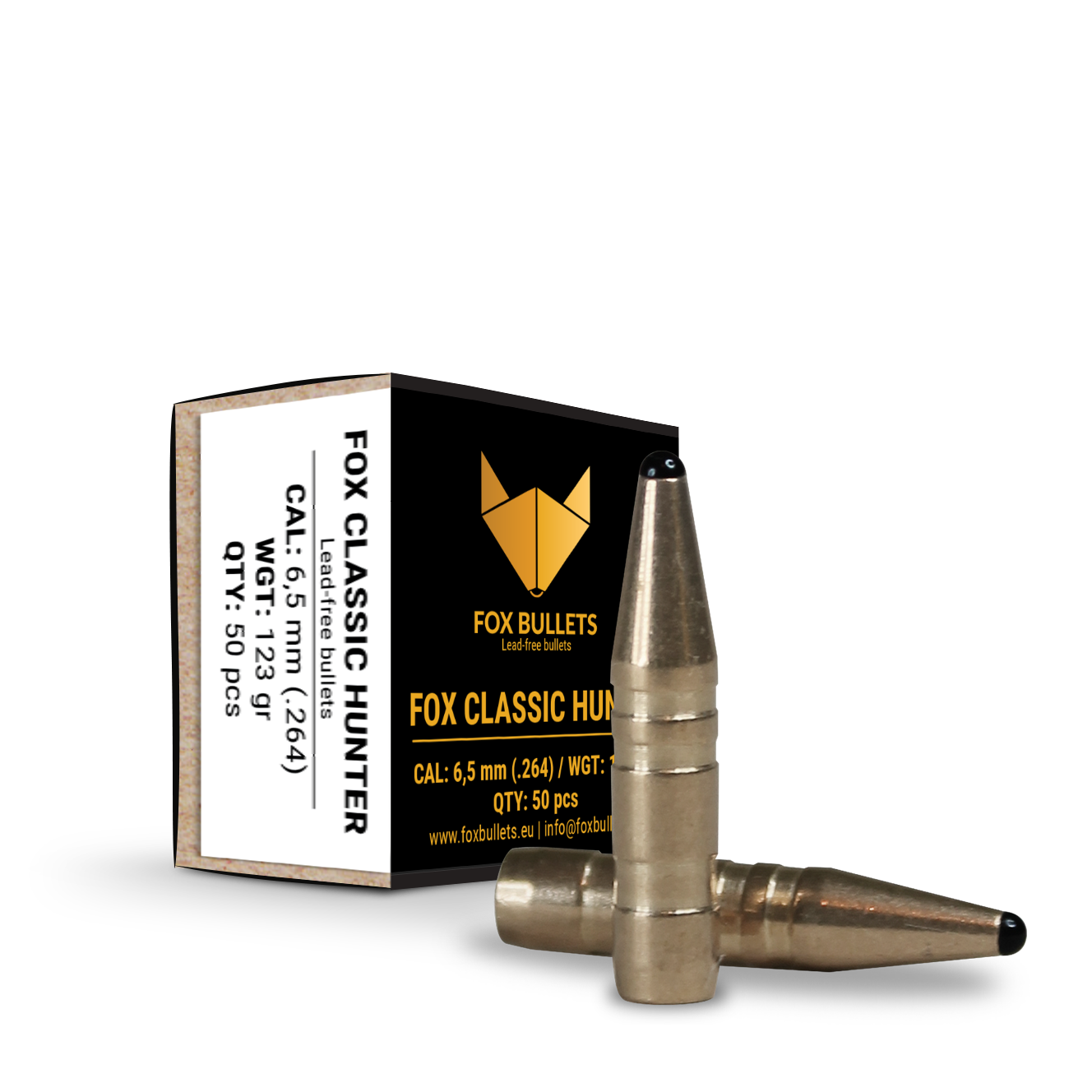
| 6.5mm (.264) | 123 gr | 0.390 |
| .270 (.277) | 145 gr | 0.375 |
| .30 (.308) | 165 gr | 0.359 |
| .270 (.277) | 130 gr | 0.339 |
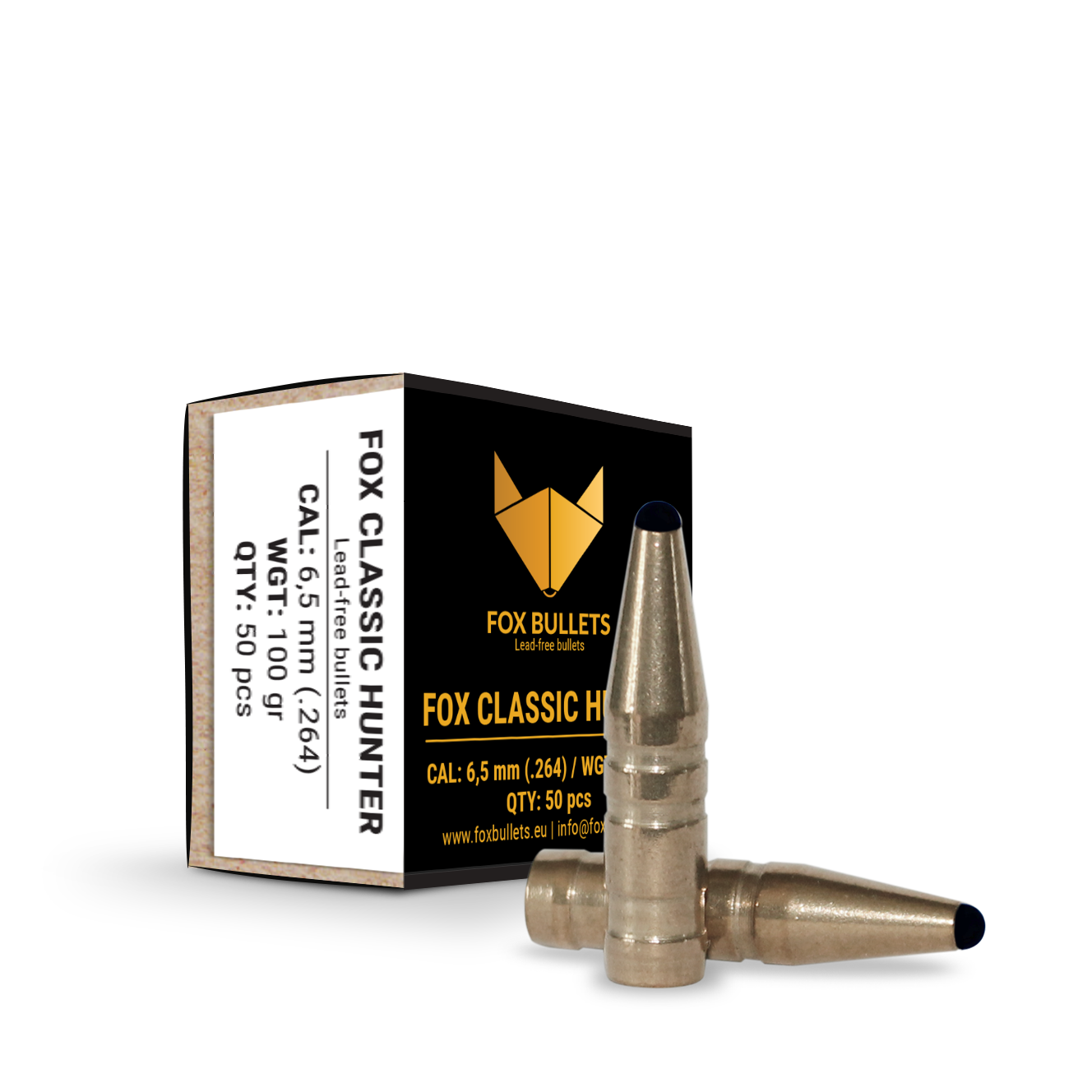
| 6.5mm (.264) | 100 gr | 0.315 |
| .30 (.308) | 150 gr | 0.307 |
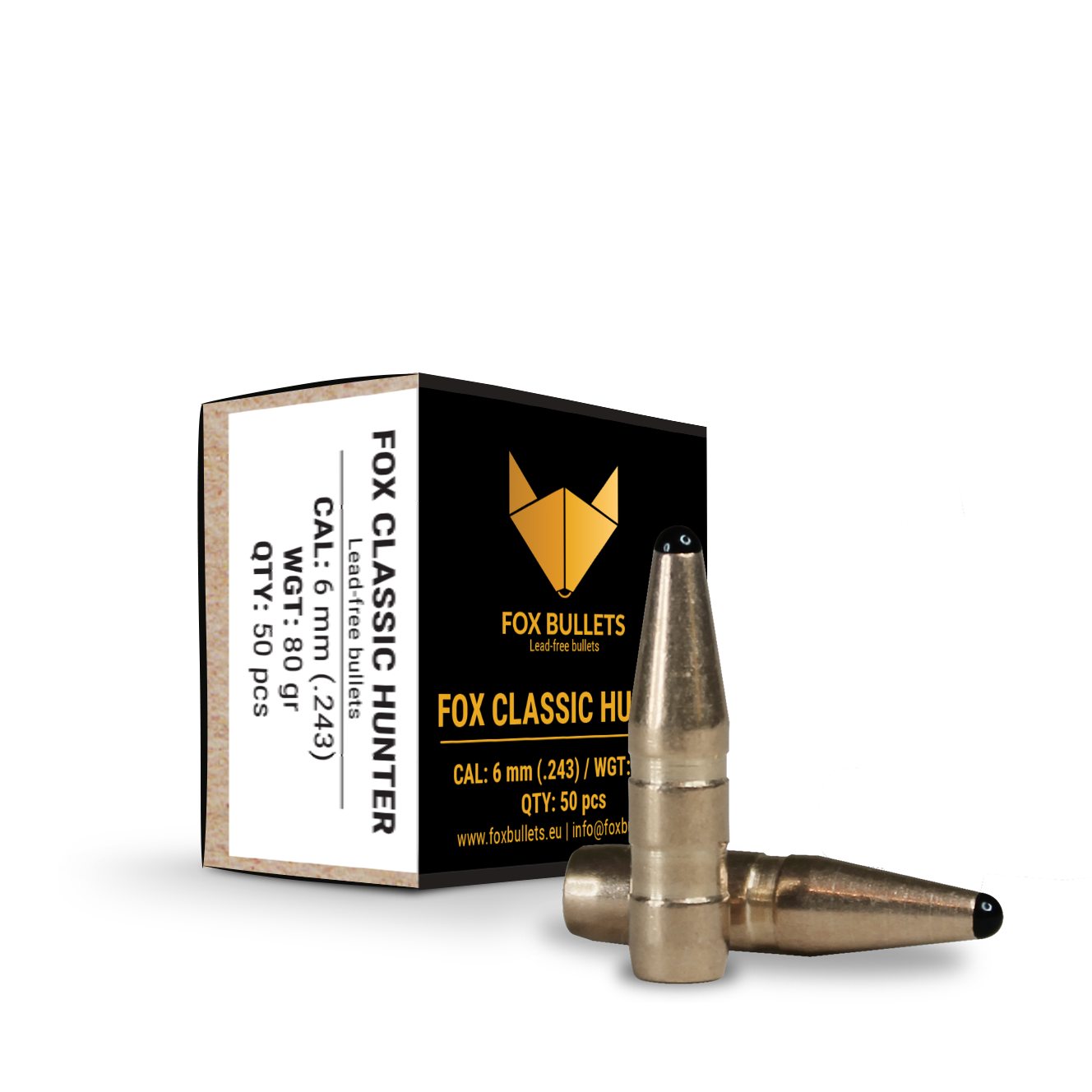
| 6mm (.243) | 80 gr | 0.293 |
| .30 (.308) | 130 gr | 0.259 |
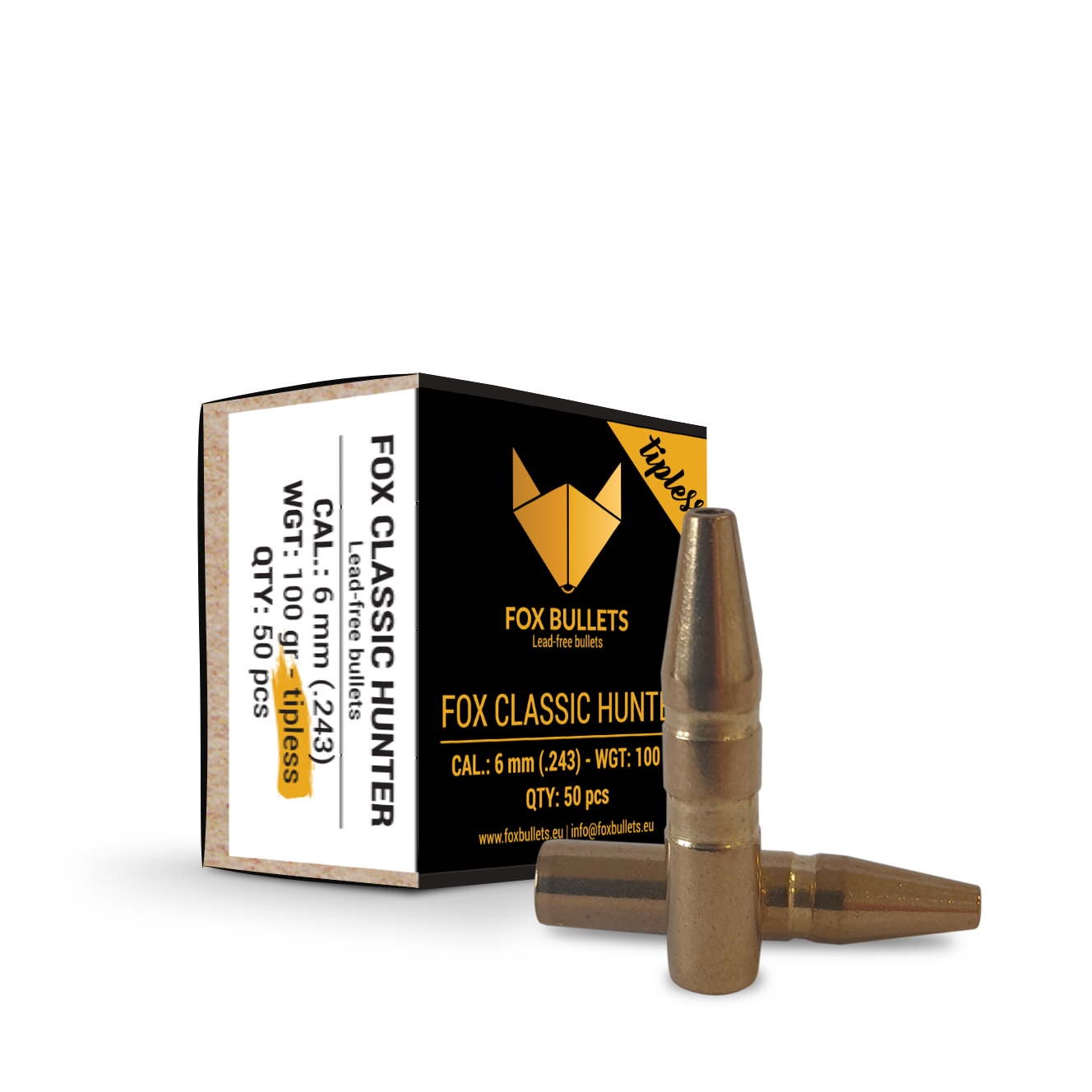
| 6mm (.243) | 100 gr | not published |
Published G1 figures, highest to lowest. The 6.5mm 139 grain leads the range.
When BC matters, and when it does not
Here is the part the marketing tends to skip. Inside about 150 metres, ballistic coefficient barely matters. Every bullet in the table above shoots flat enough over woodland distances that the difference between the best and worst BC in the range amounts to very little on target.
BC starts to earn its keep as distance grows, in wind, and where retained velocity is needed for reliable expansion. If most of your shooting is high seats and woodland rides at moderate range, choose your bullet on weight and terminal performance and treat BC as a tiebreaker. If you stalk open hill and take longer shots, it moves up the list.
What raises a bullet's BC
- A pointed nose. This is what the polymer tip buys you over an open hollow point.
- Length and weight for calibre. Heavier bullets in a given diameter generally carry higher BCs; visible in the table, where the heaviest weight in each diameter tops its group.
- A streamlined base.
Note the pattern in the .30 calibre figures: 0.259 for the 130 grain against 0.359 for the 165. That is a substantial spread, and it is the clearest illustration in the range of the trade between a fast, flat, close-range bullet and one built to hold velocity at distance.
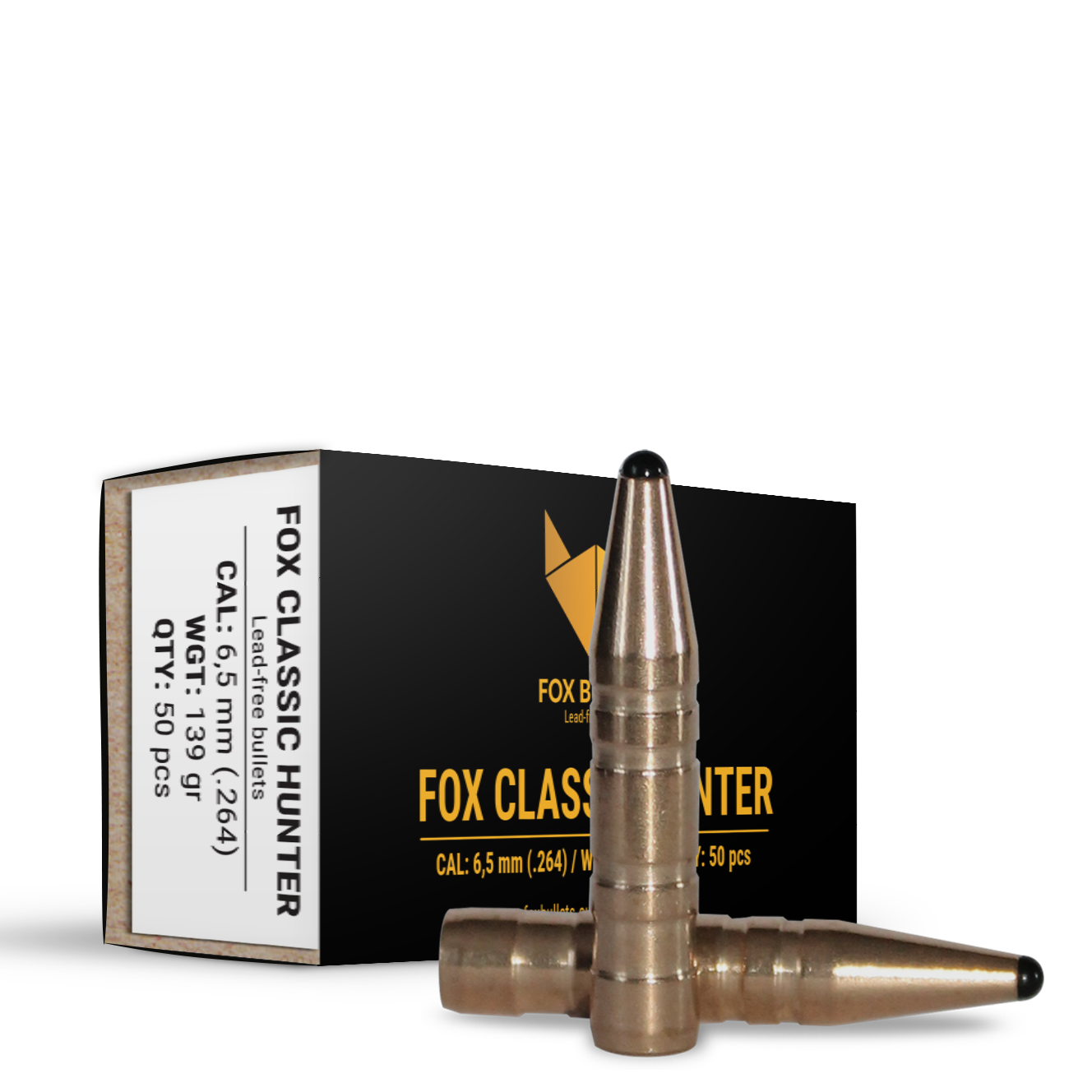
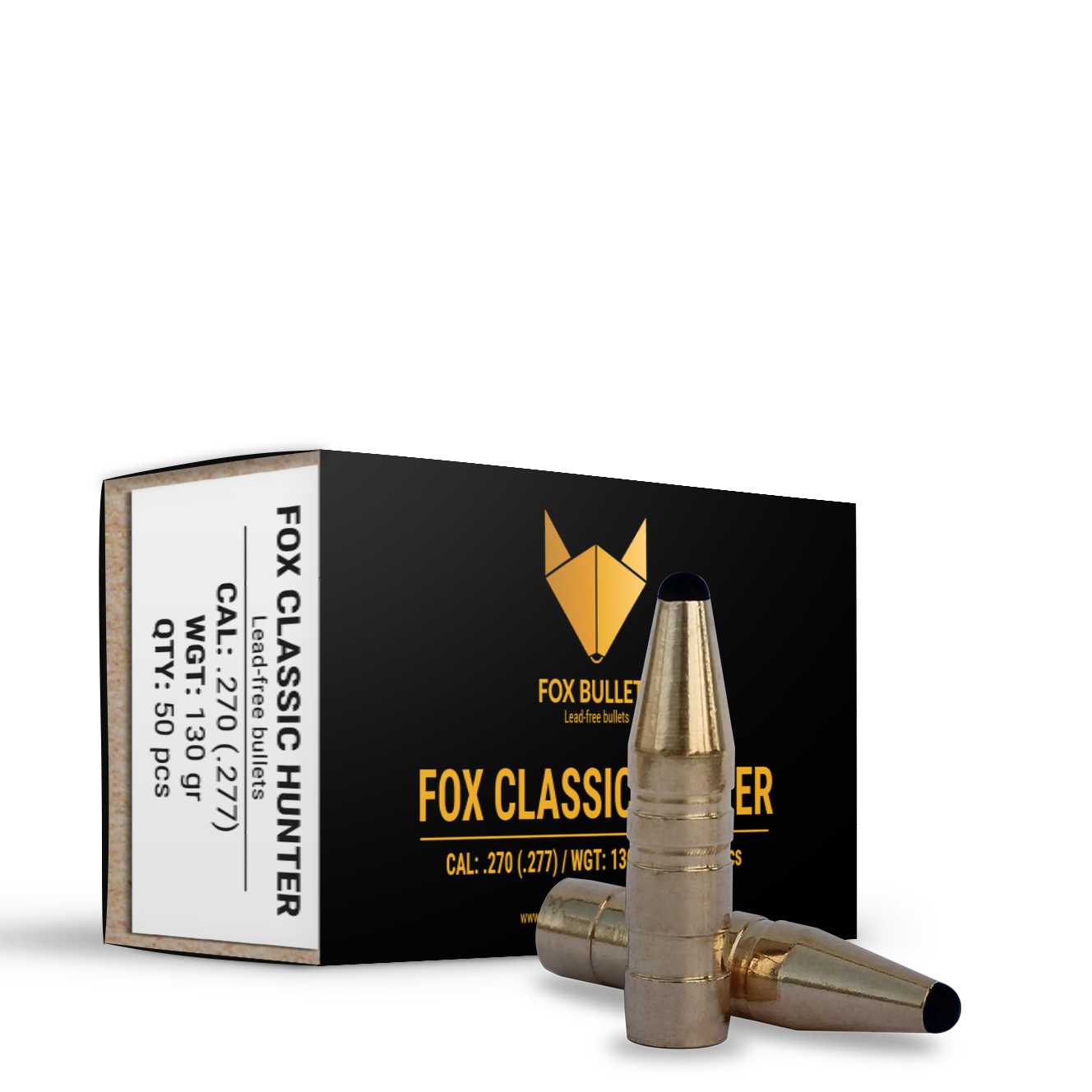
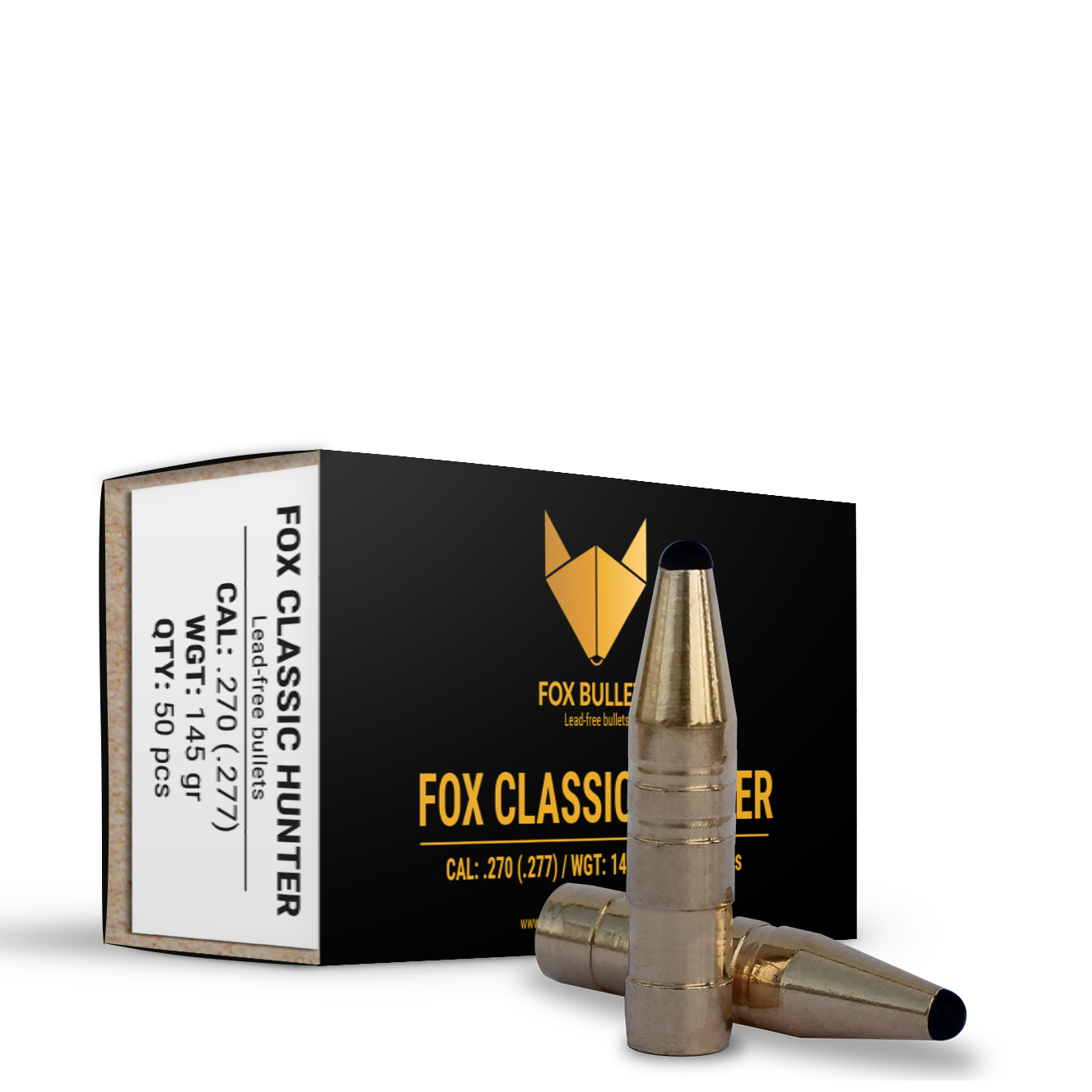
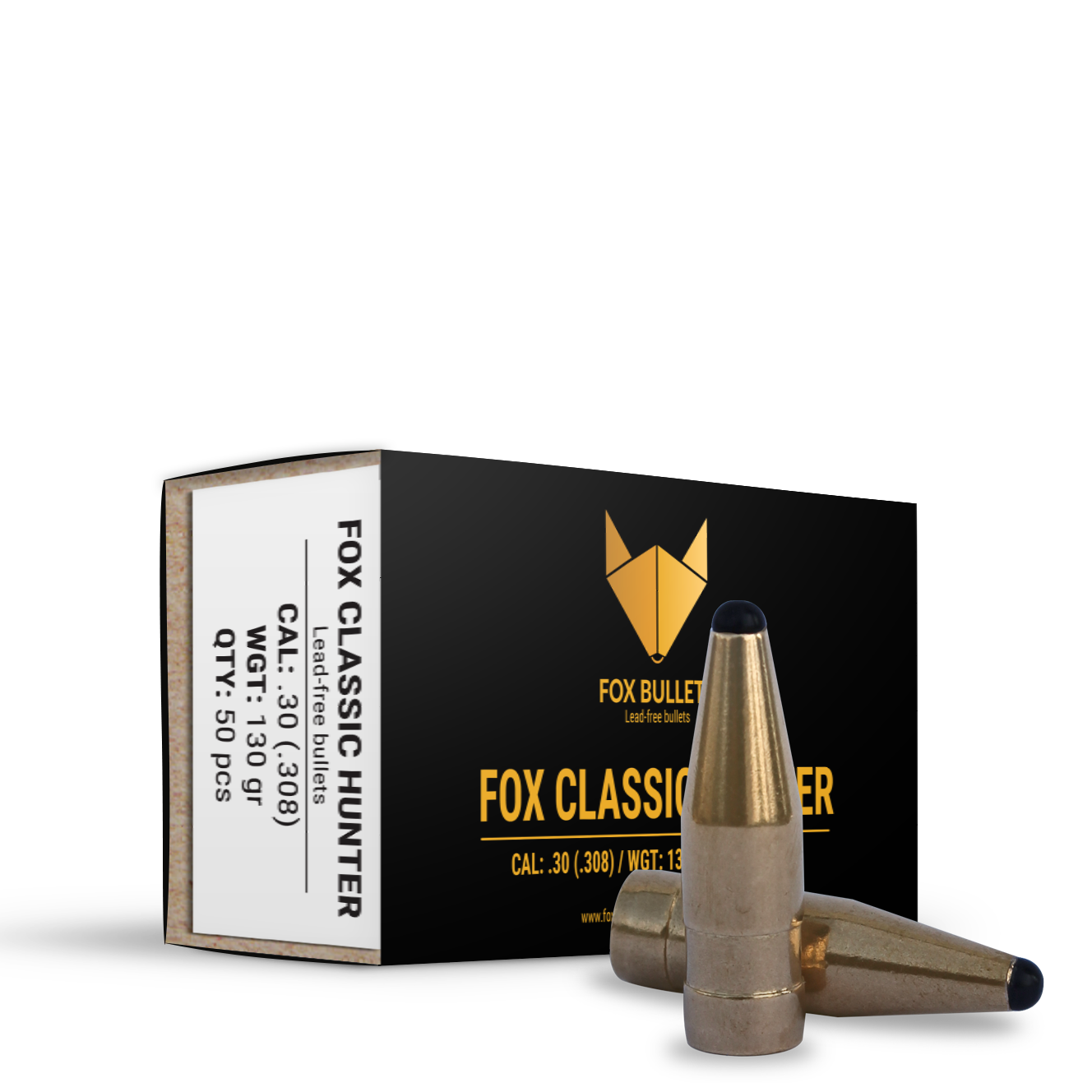
Compare the range
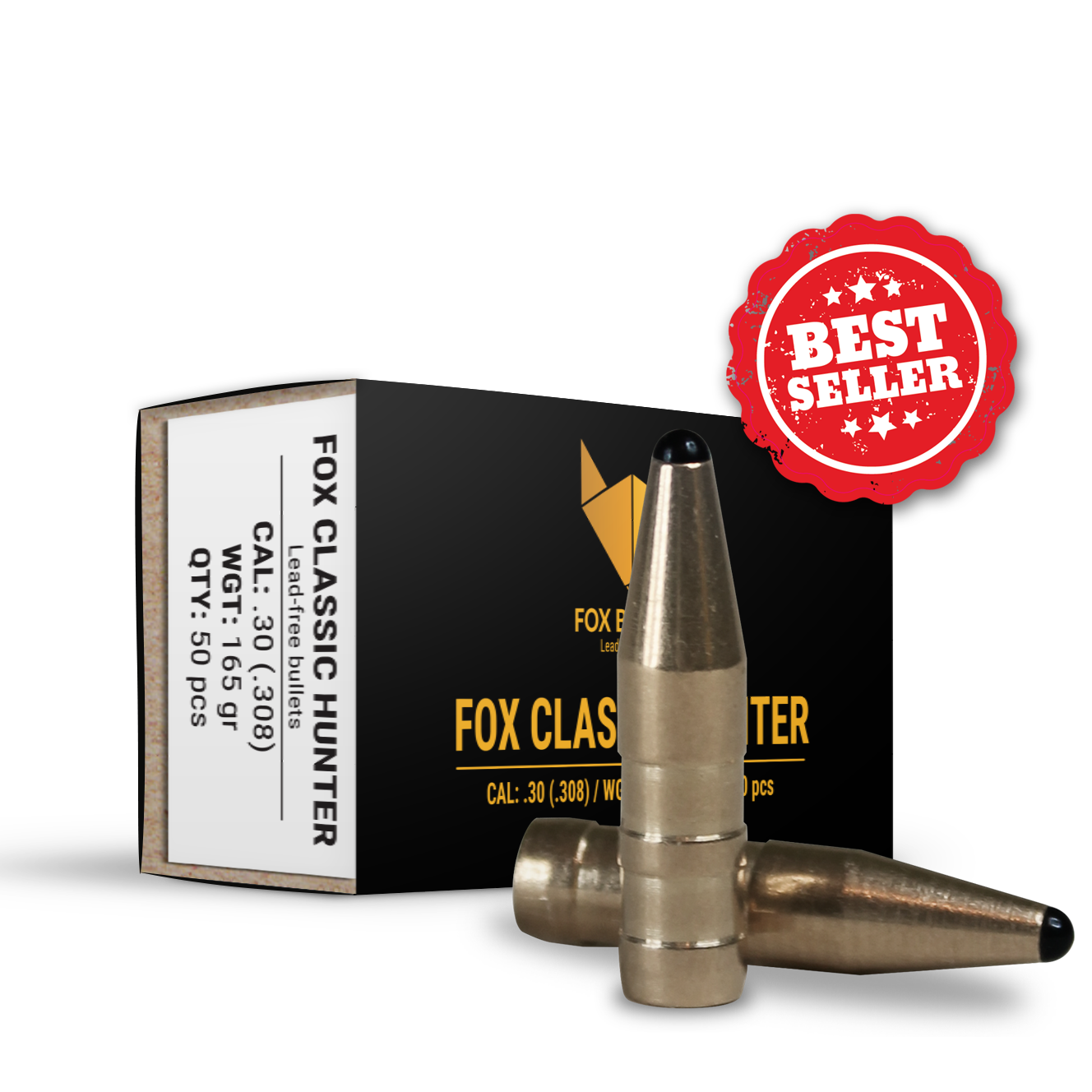
Projectiles only: no powder, primers or loaded ammunition.

What is a good ballistic coefficient for a hunting bullet?
For UK deer stalking at typical ranges, anything from around 0.3 upwards on the G1 scale is entirely adequate. Higher figures earn their keep at longer range and in wind rather than in woodland.
Which Fox bullet has the highest ballistic coefficient?
The 6.5mm (.264) 139 grain, at 0.425 G1.
What is the difference between G1 and G7 BC?
They are measured against different reference projectile shapes. G1 uses an older flat-based standard and produces higher numbers; G7 better suits modern boat-tail designs and produces lower ones. The two scales are not comparable.
Does a higher BC mean a bullet hits harder?
Not directly. BC measures resistance to air drag. A higher BC bullet retains more velocity downrange, so it does arrive with more energy at distance, but at close range the difference is negligible.
Read next
Oxon Deer stocks the full Fox Classic Hunter range in 6mm, 6.5mm, .270 and .308, in boxes of 50. Browse the shop.