
Choosing bullet weight when you switch to lead free
Why matching your old lead bullet weight is usually the wrong move, and how to pick the right monolithic weight instead.
Last updated 28 July 2026
Almost everyone switching to lead free starts from the same place: *I shot 150 grain lead, so I want 150 grain copper*. It is an understandable instinct and it is usually wrong.
Why weight does not translate directly
The reason is density. Lead is much denser than copper-zinc alloy, so a lead free bullet of the same weight has to be physically longer. That has three knock-on effects:
- It demands more twist to stabilise. See twist rate for lead free bullets.
- It occupies more of the case, reducing powder capacity and therefore the velocity you can safely reach.
- It may need seating further out to avoid eating case volume, which can run into magazine length limits.
Why lighter is not a compromise
A lead-core bullet sheds weight on impact; sometimes a great deal of it. A monolithic holds together and typically retains most of its mass. So a 130 grain monolithic arriving intact penetrates more like a heavier lead bullet that has shed its core. Comparing grain for grain across the two constructions is not comparing like with like.
What should actually drive the decision
| If you want... | Go | Because |
|---|---|---|
| Flat trajectory in woodland | Lighter | Higher velocity, less drop inside 150m |
| Performance at distance | Heavier | Higher BC, less wind drift and drop |
| Larger-bodied deer | Heavier | More retained energy and penetration |
| Certainty of stabilising | Lighter | Shorter bullet, less twist needed |
| Maximum case capacity | Lighter | Shorter bullet intrudes less |
Applied to the Fox range
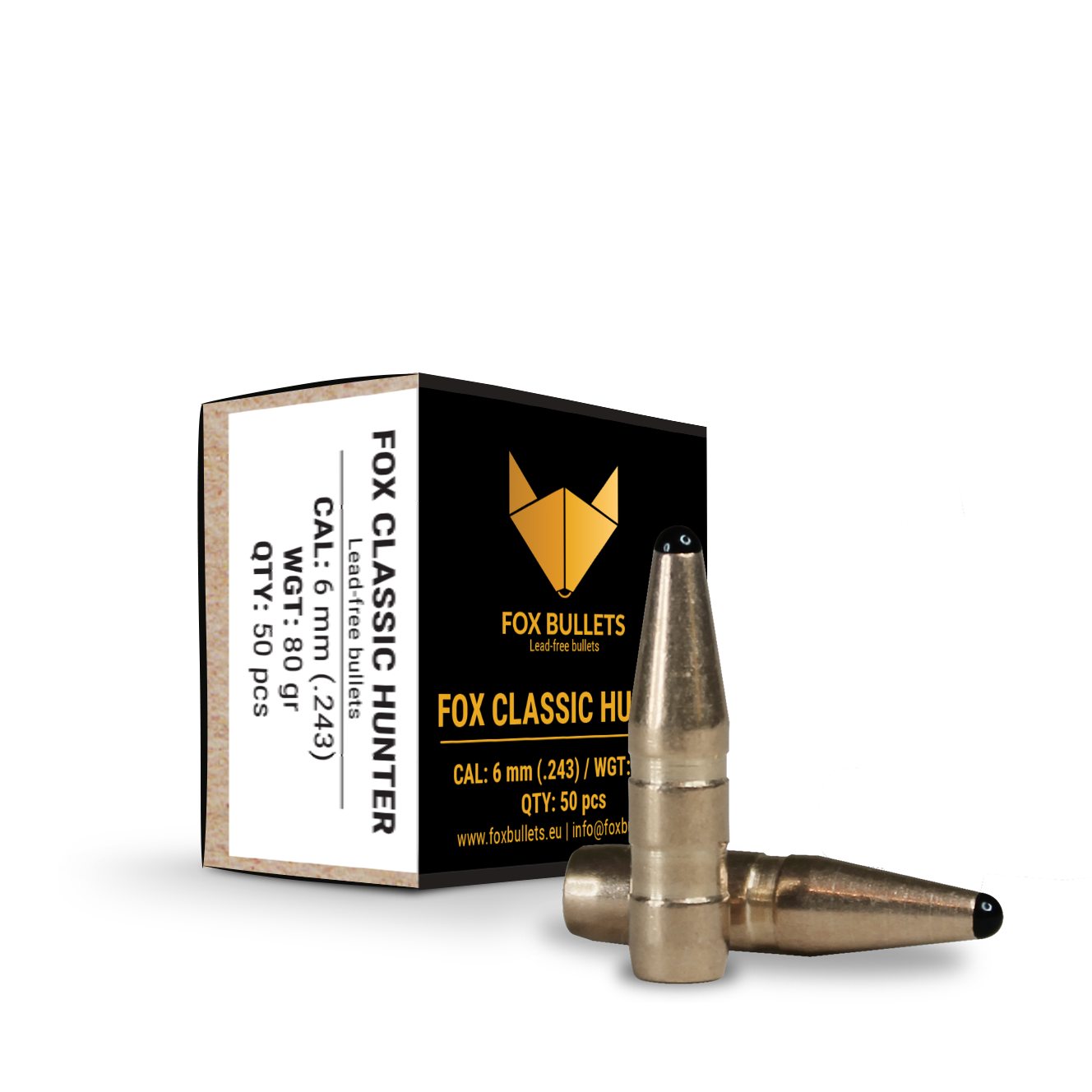
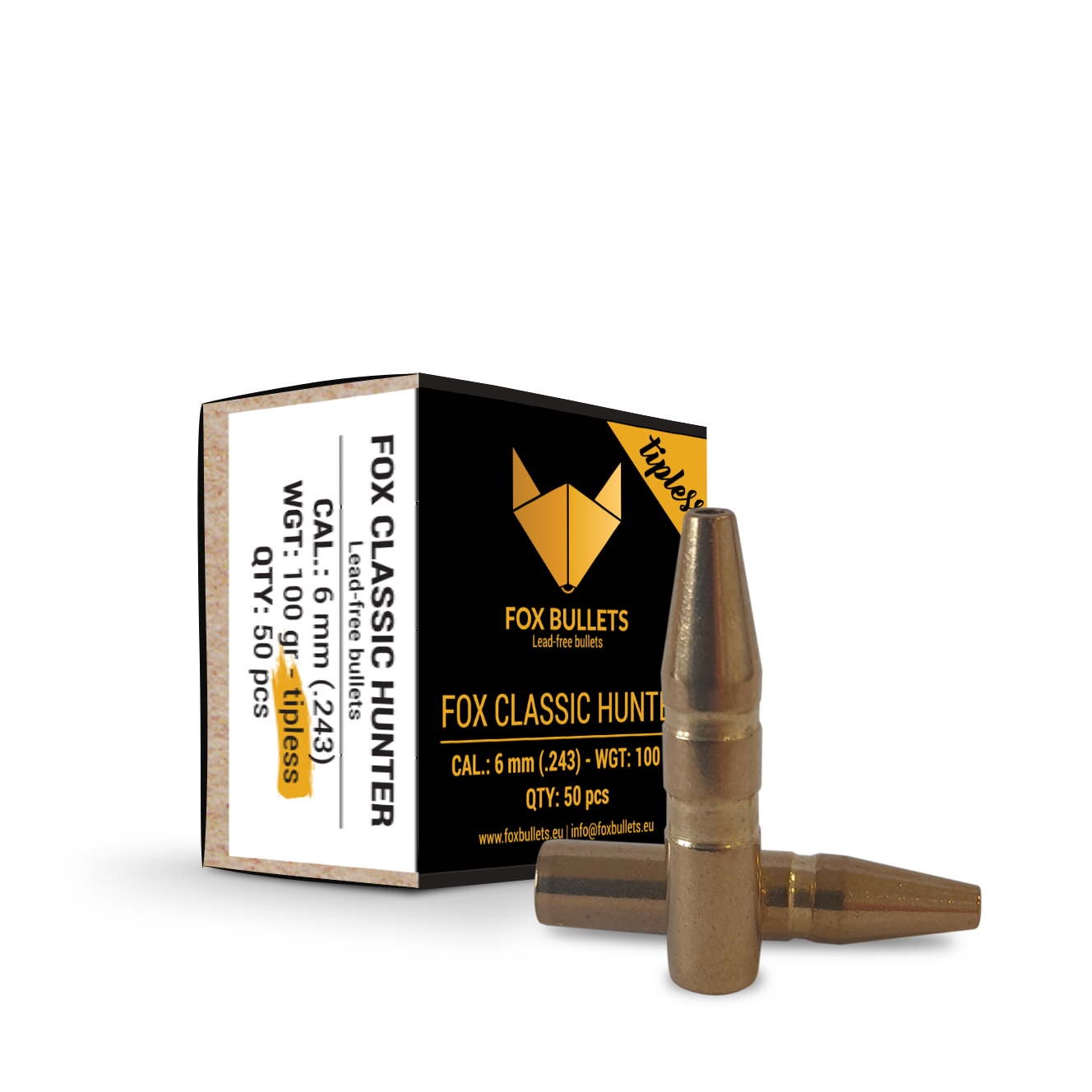
- 6mm (.243): the 80 grain suits almost everyone. The 100 grain is for those with a fast enough twist and a reason.
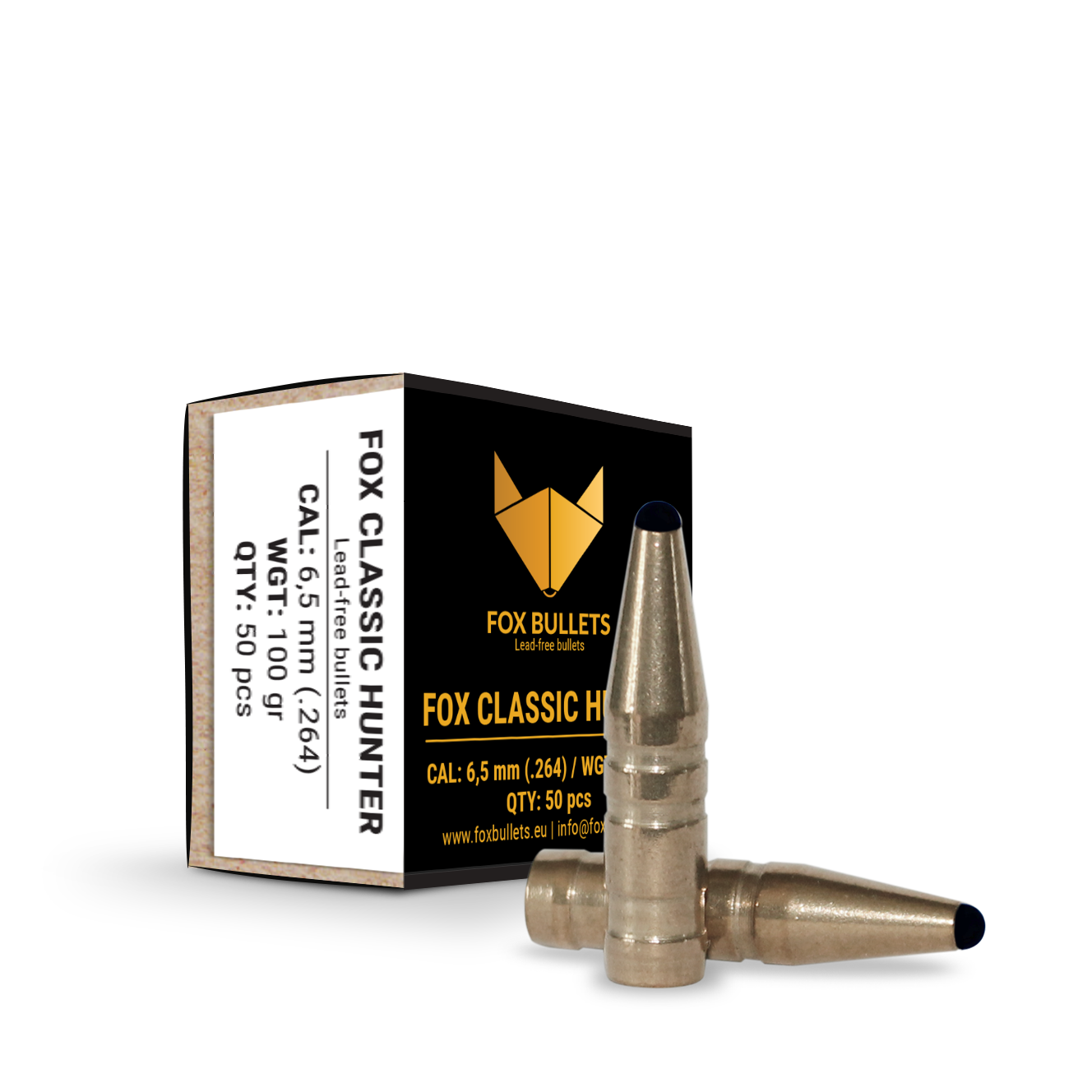
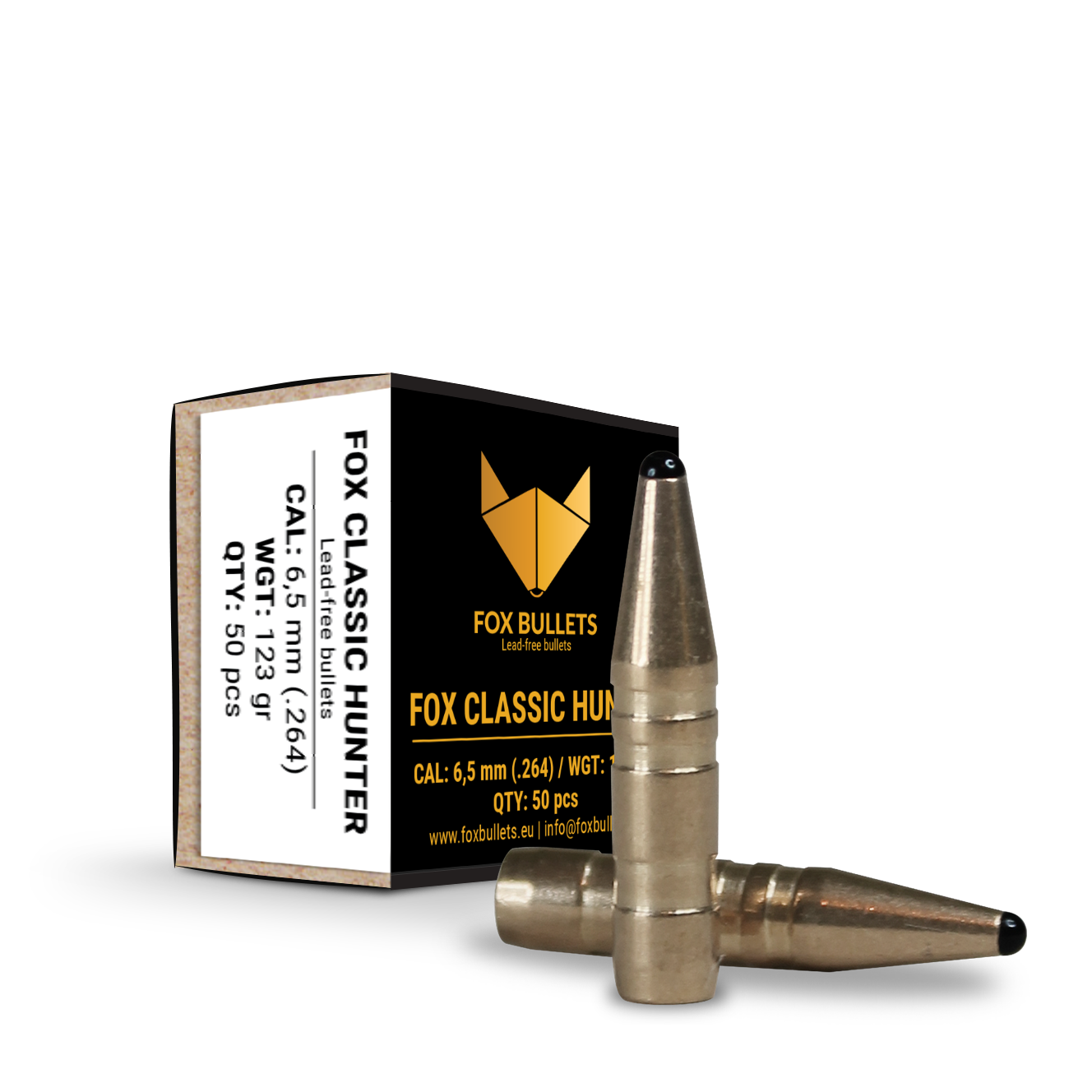
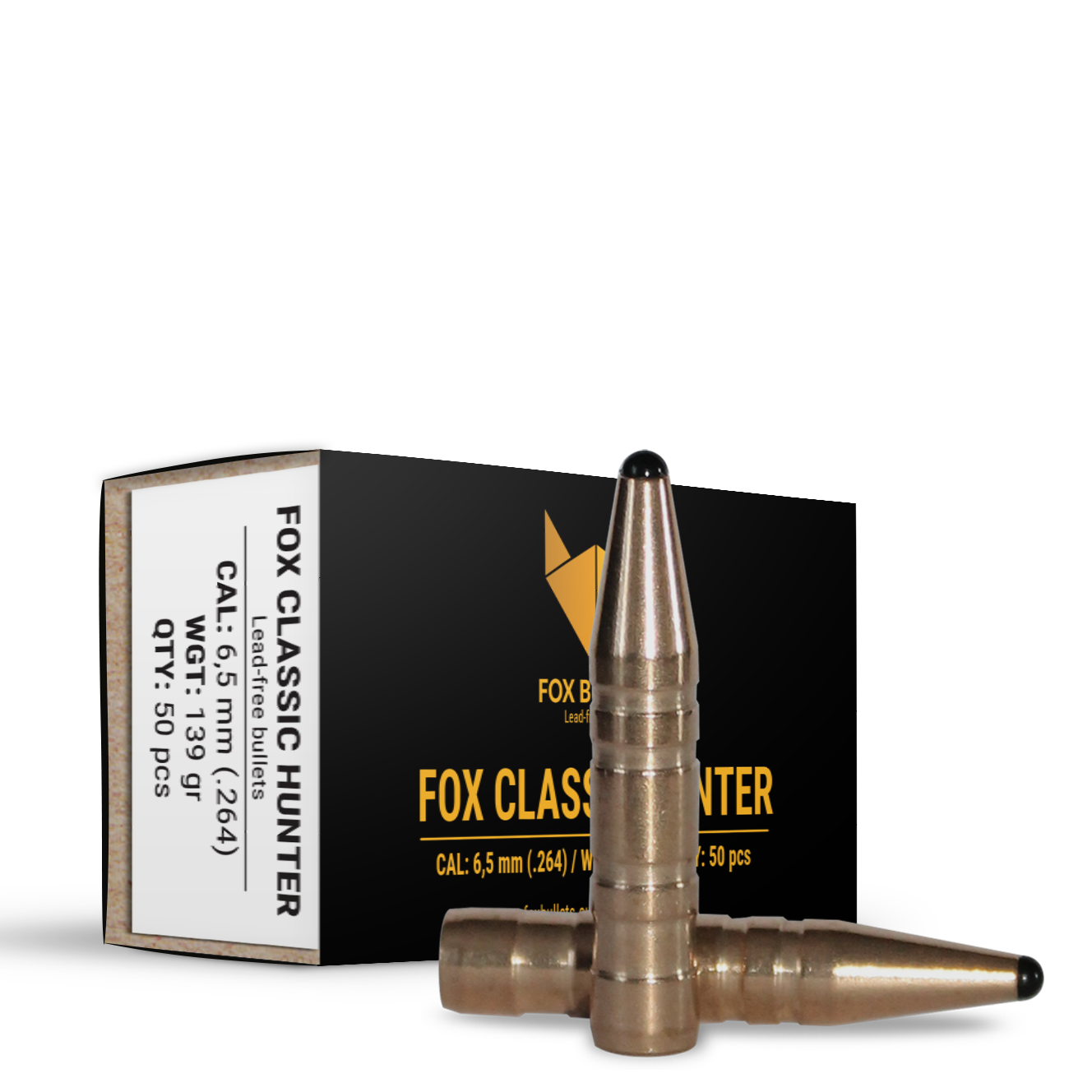
- 6.5mm (.264): the 123 grain is the default. Drop to 100 grain for a flatter trajectory, go to 139 grain for distance and larger deer.
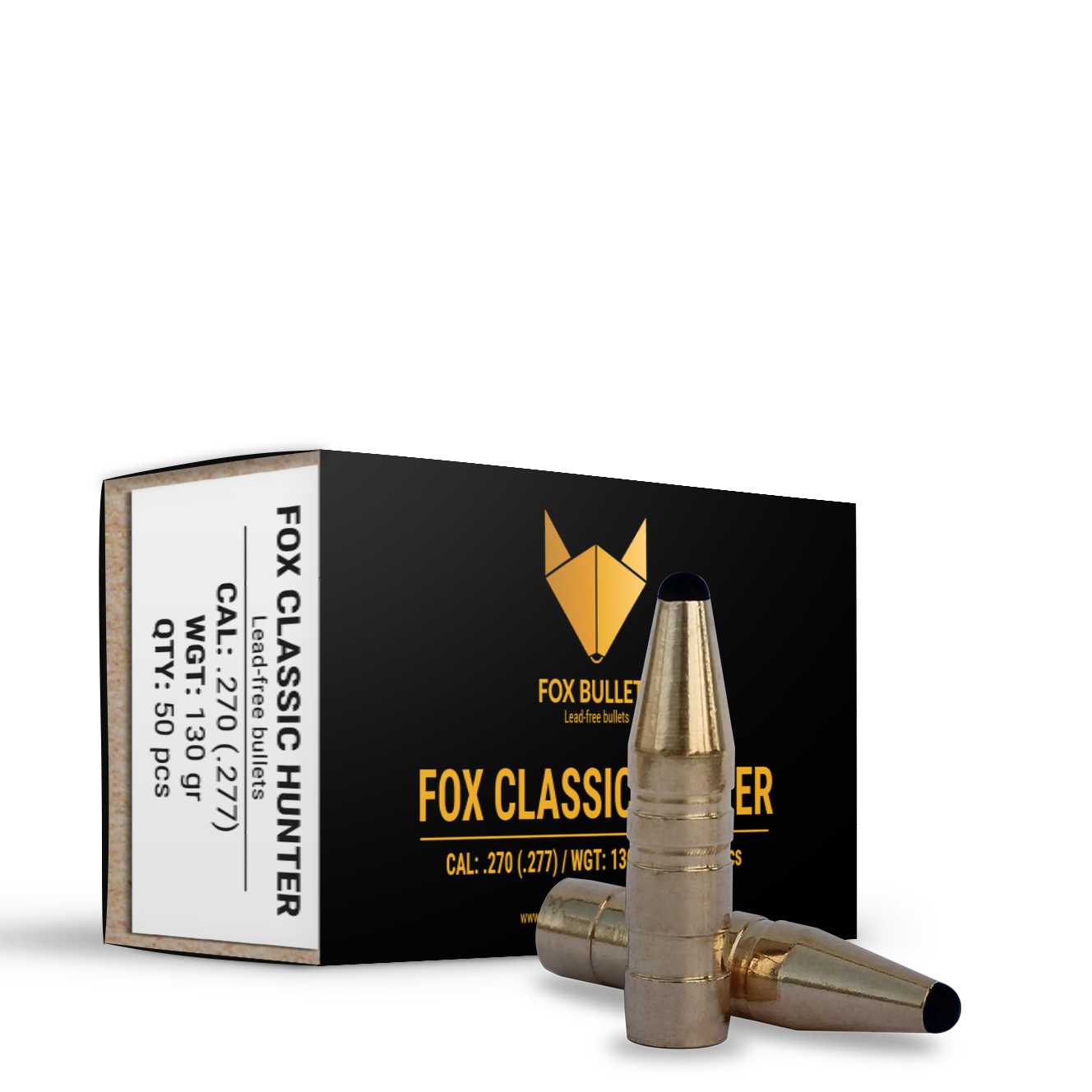
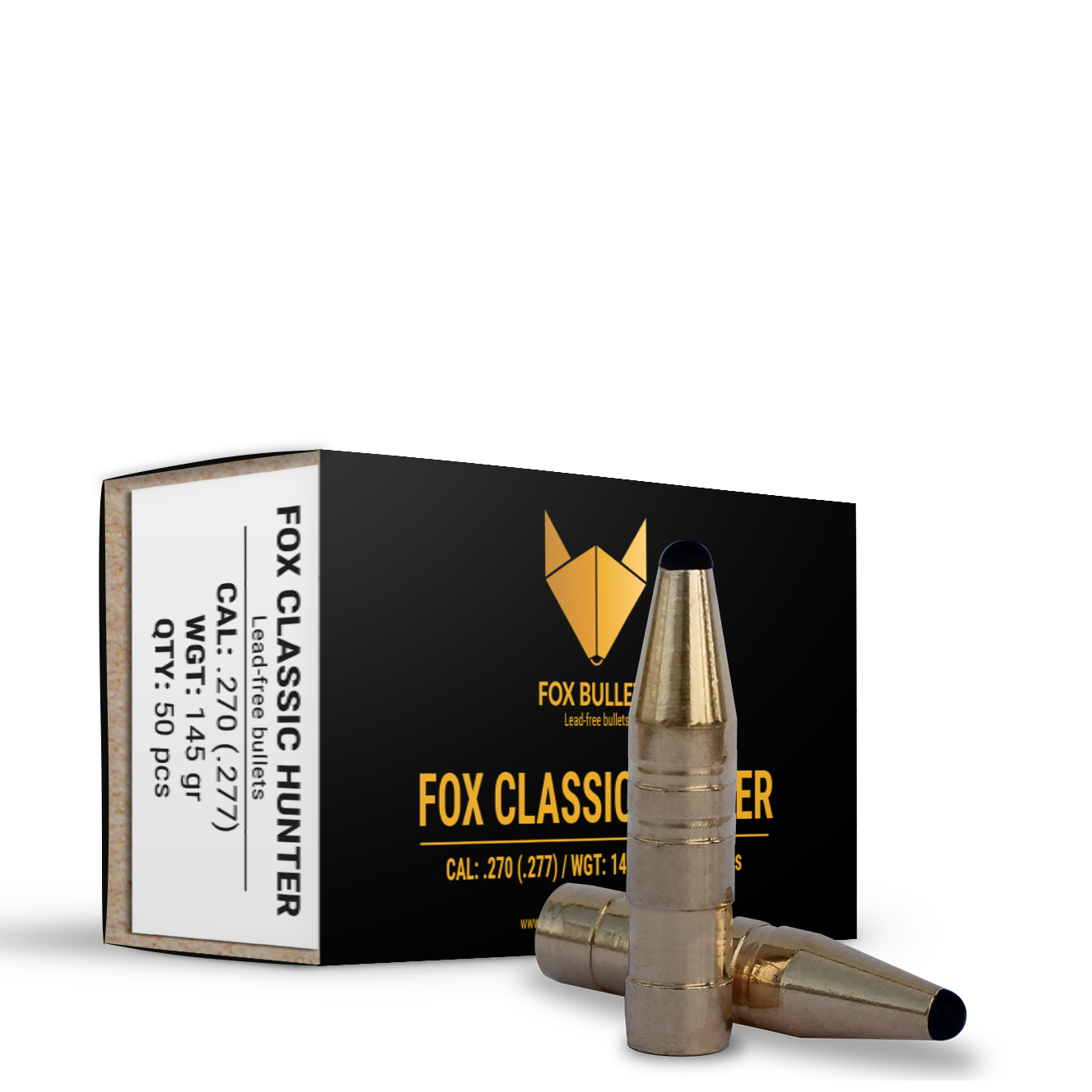
- .270 (.277): the 130 grain is the classic all-rounder; the 145 grain for deeper penetration on red and big fallow.
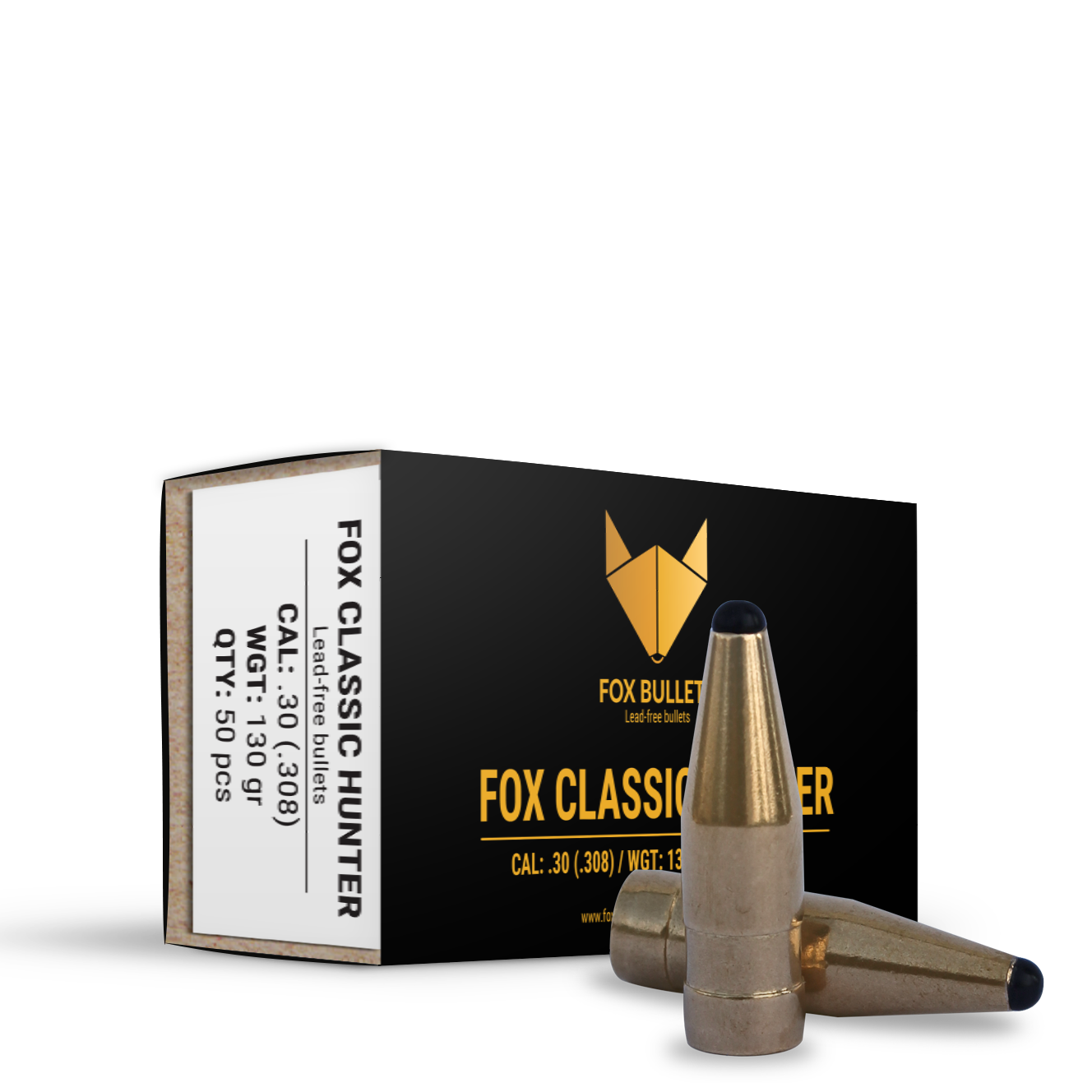
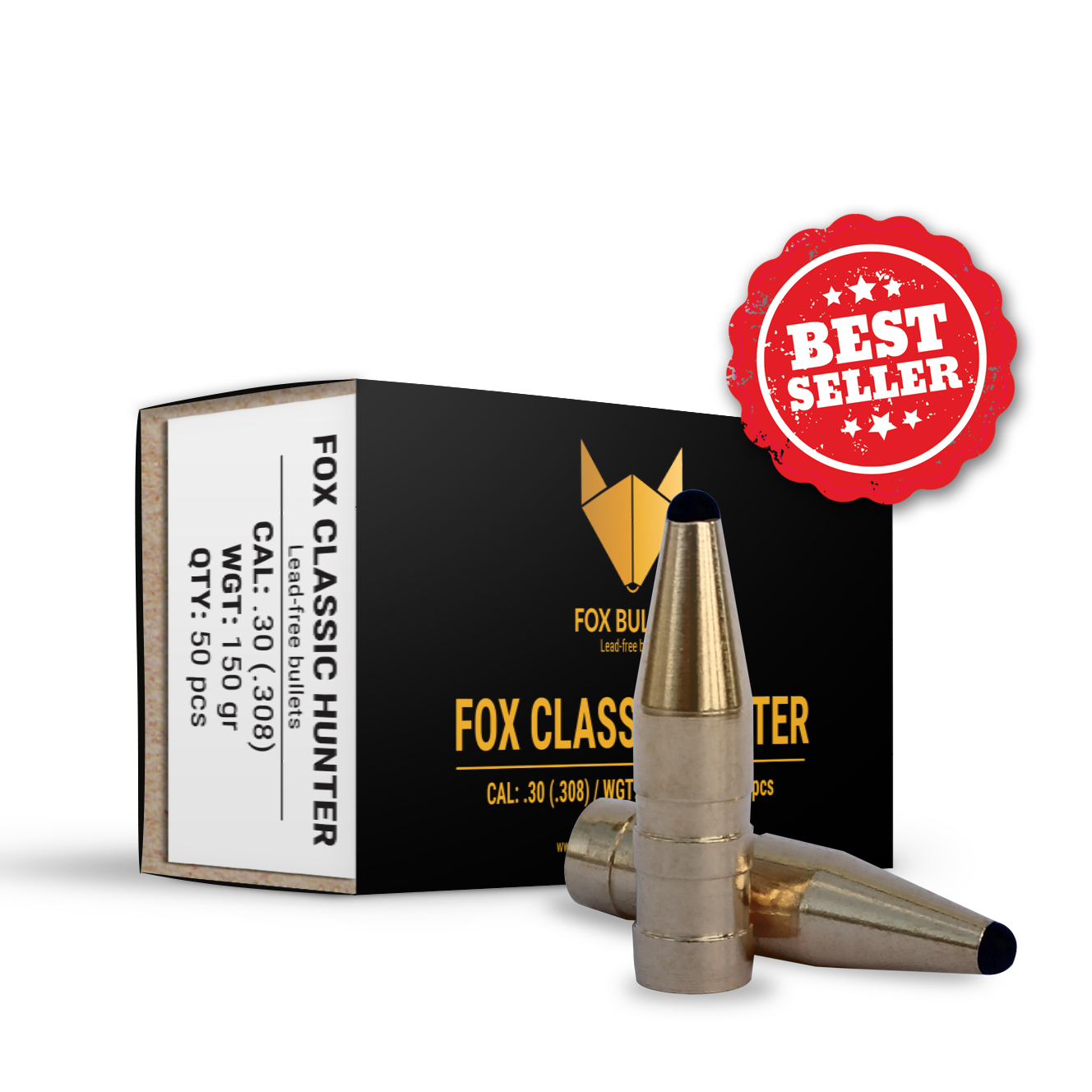
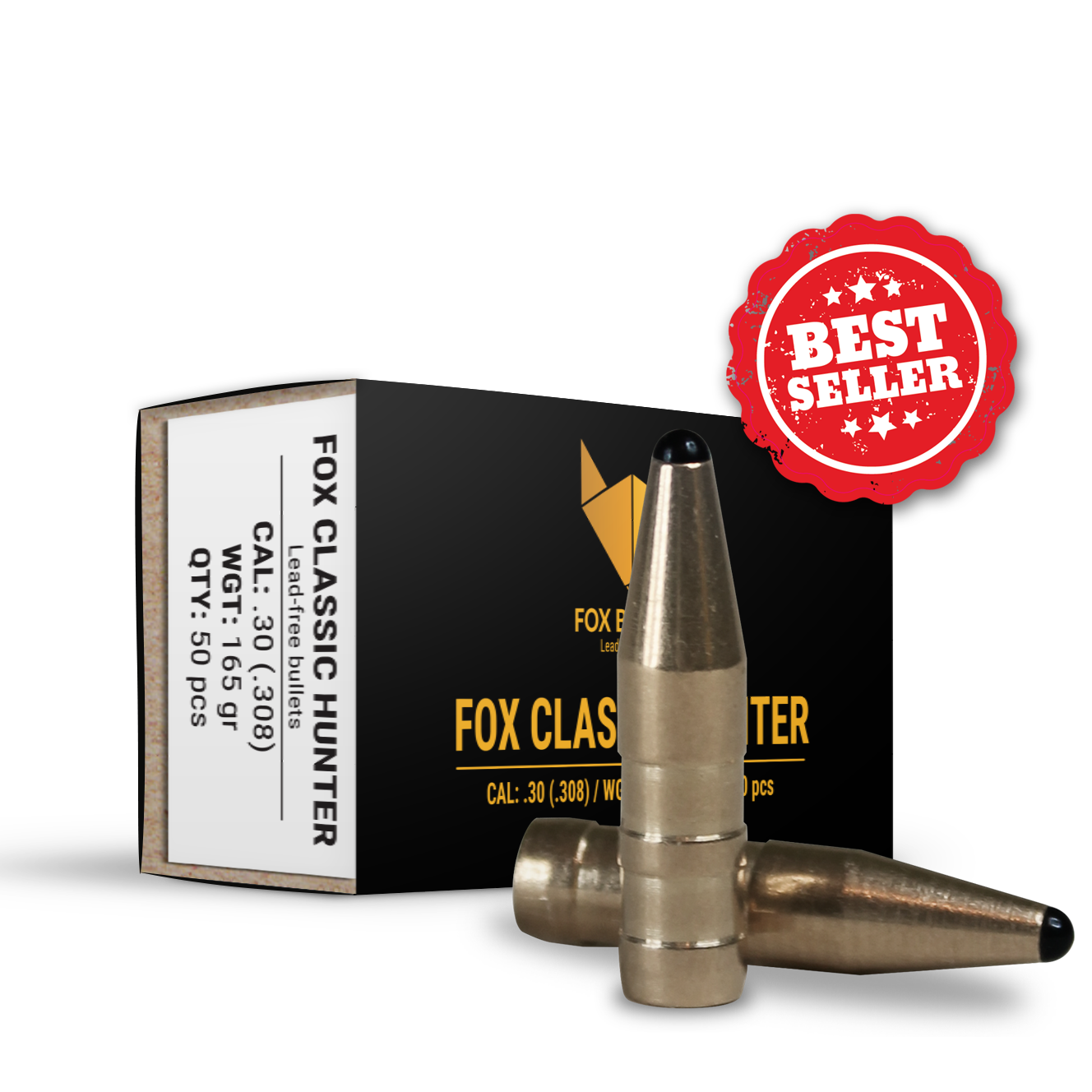
- .30 (.308): the 150 grain is the safe answer. The 130 grain is genuinely fast and flat; the 165 grain is for big-bodied quarry.
Whatever you choose, re-zero
A new bullet is a new load. Different weight, different length, different velocity, different point of impact. Never assume the zero carries across: see zeroing lead free bullets.
All ten weights
Projectiles only: no powder, primers or loaded ammunition.
Should I use the same grain weight in copper as I did in lead?
Usually not. Because copper-zinc alloy is less dense, the same weight makes a longer bullet that needs more twist and eats more case capacity. Most people are better dropping one step lighter.
Is a lighter monolithic enough for deer?
Monolithic bullets retain most of their weight on impact rather than shedding a lead core, so they penetrate better than their grain weight suggests. A lighter monolithic is not the compromise the number implies.
Which Fox weight should I buy first?
In 6mm the 80 grain, in 6.5mm the 123 grain, in .270 the 130 grain and in .30 calibre the 150 grain. Those are the weights that suit the widest range of rifles and quarry.
Read next
Oxon Deer stocks the full Fox Classic Hunter range in 6mm, 6.5mm, .270 and .308, in boxes of 50. Browse the shop.