
Copper fouling and cleaning after monolithic bullets
Why lead free bullets leave copper in the rifling, how alloy bullets reduce it, and how to clean a barrel without damaging it.
Last updated 28 July 2026
Copper fouling is the most-cited downside of monolithic bullets, and it is a genuine issue, though a smaller one with harder alloys than with pure copper.
What fouling actually is
As the bullet engraves into the rifling and accelerates, a microscopic amount of its surface smears off and stays in the bore. Over a string of shots this builds into a deposit that fills the rifling grooves. Two things follow: the bore's effective dimensions change, and the point of impact drifts. Left long enough, accuracy falls off noticeably.
Lead-core bullets have a copper jacket and foul too. Monolithics are copper alloy all the way through, so there is more of it in contact with the barrel, which is why the problem gets attention with lead free.
Two design features that reduce it
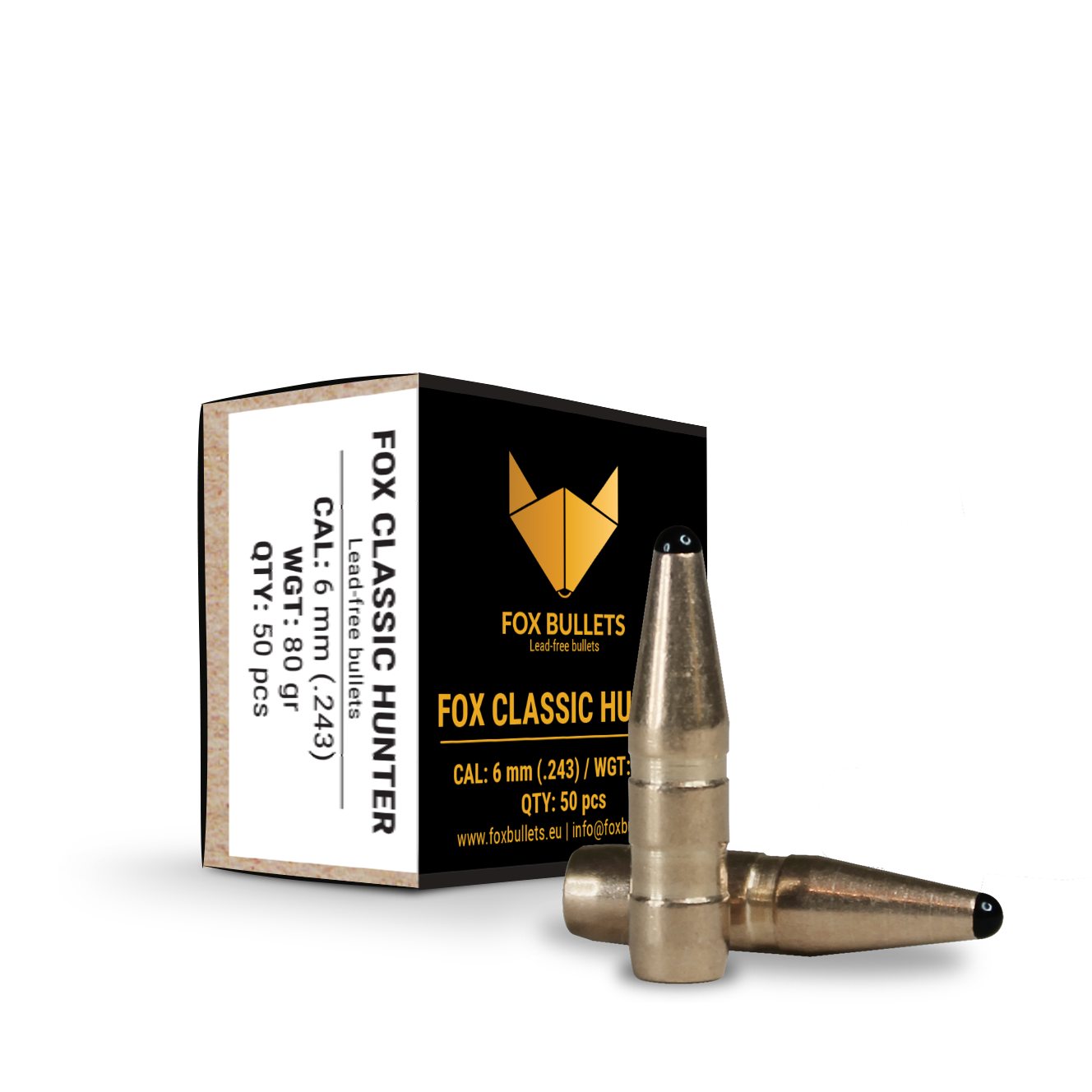
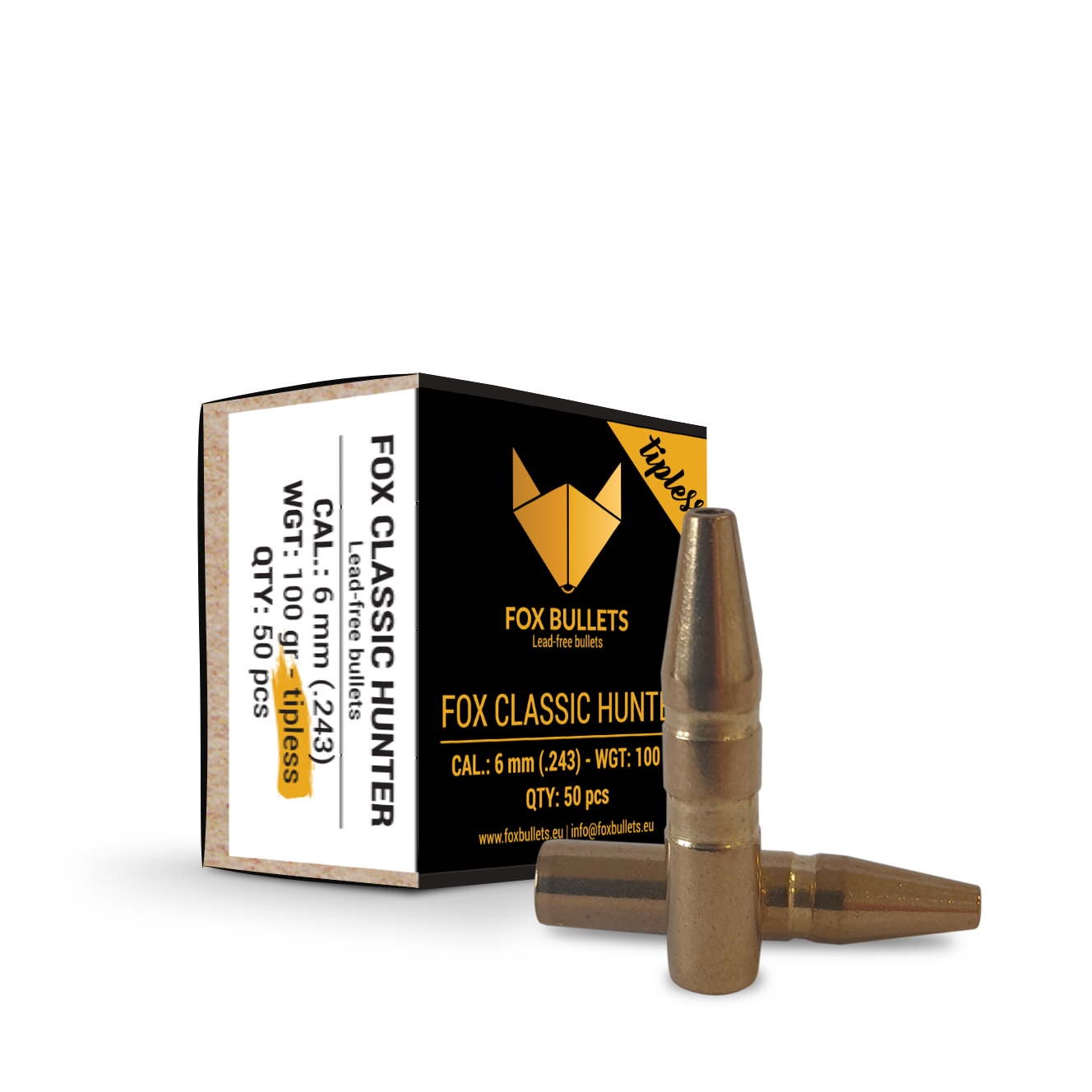
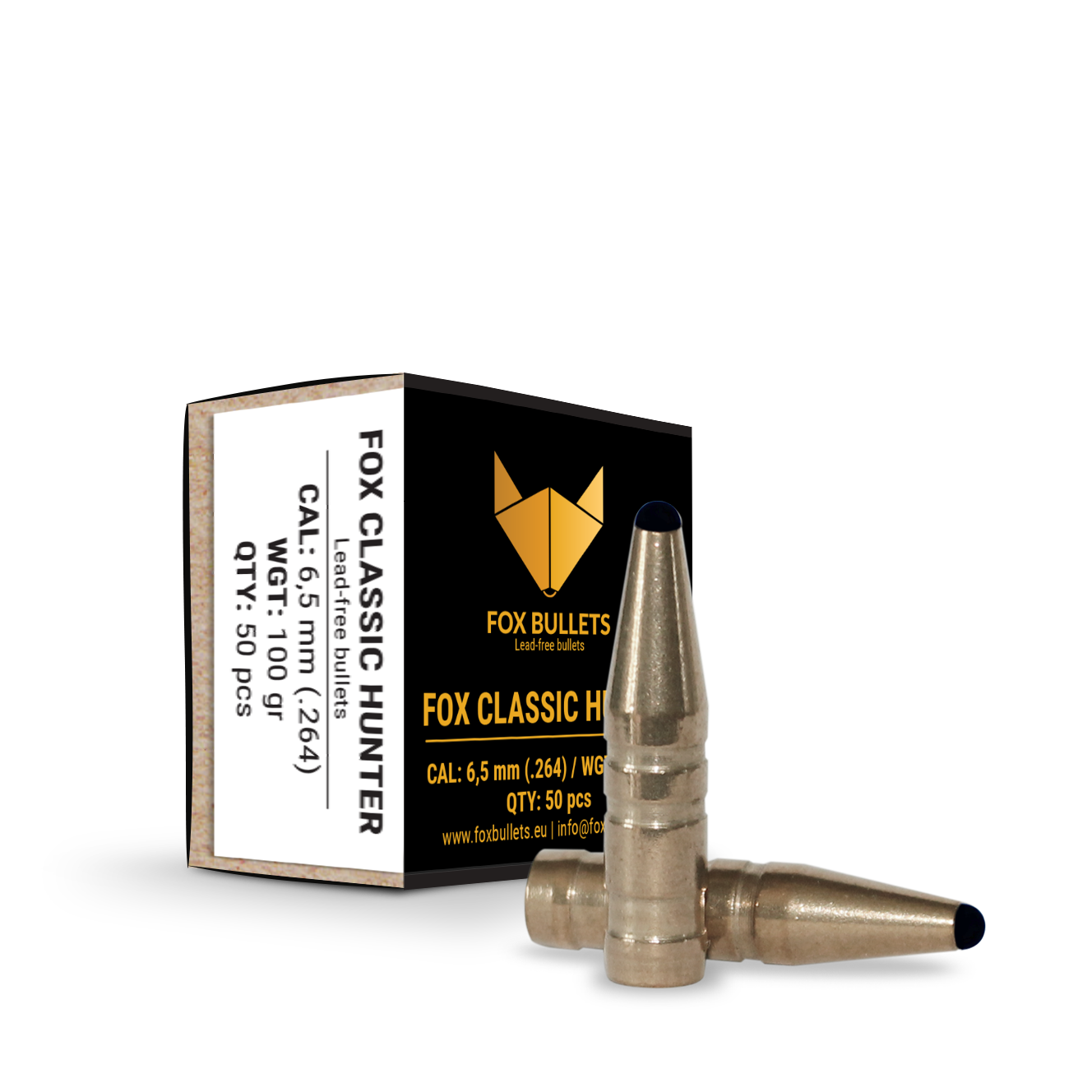
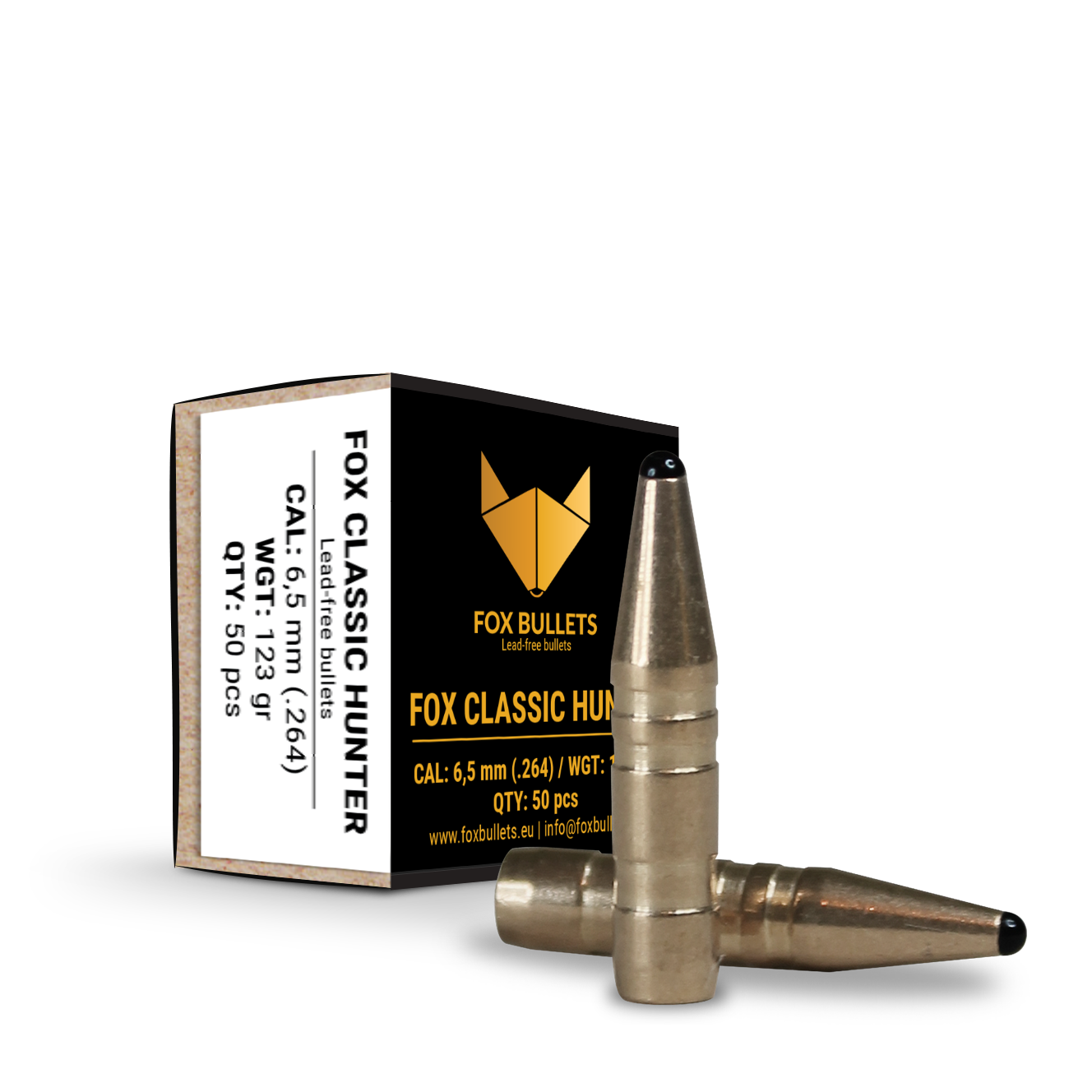
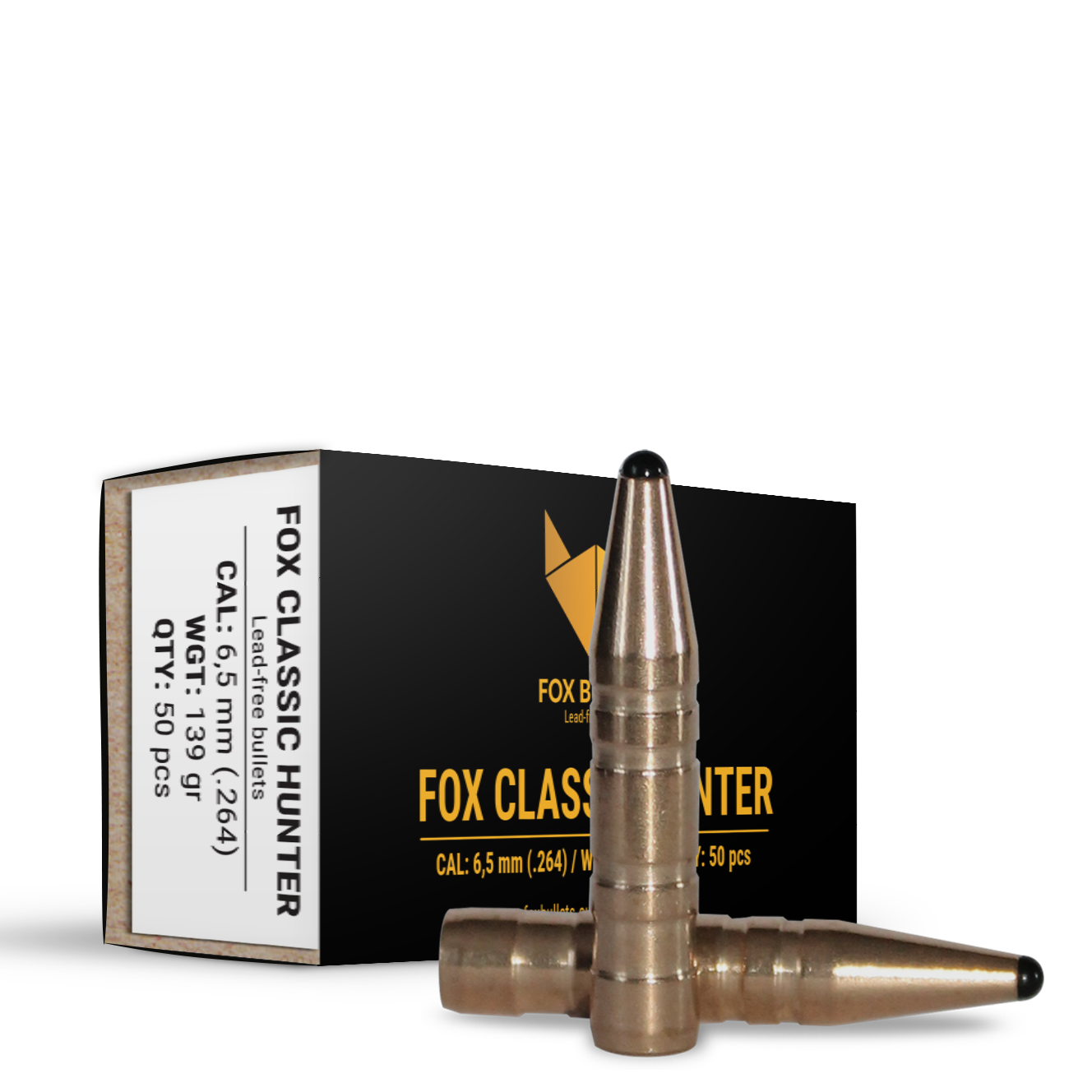
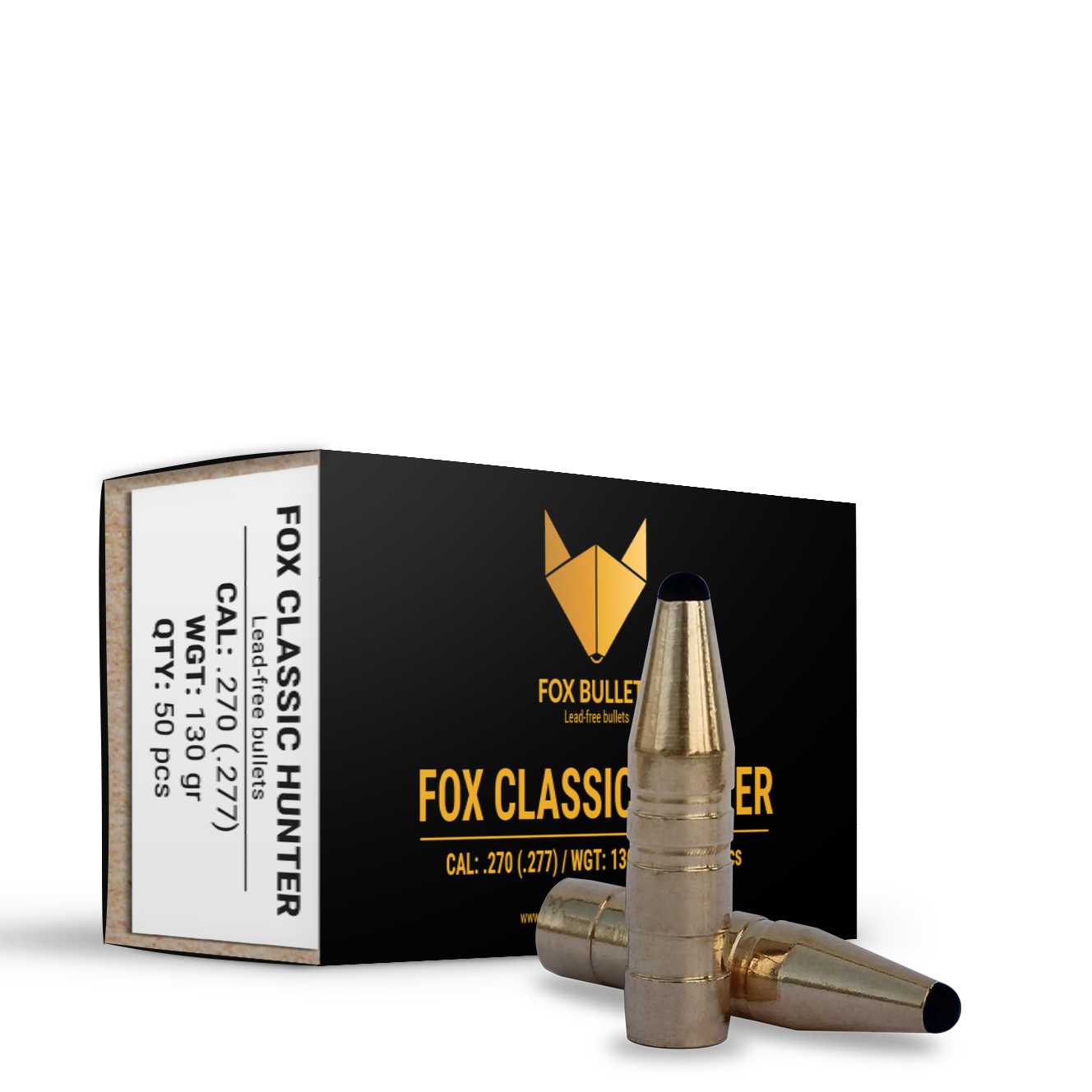
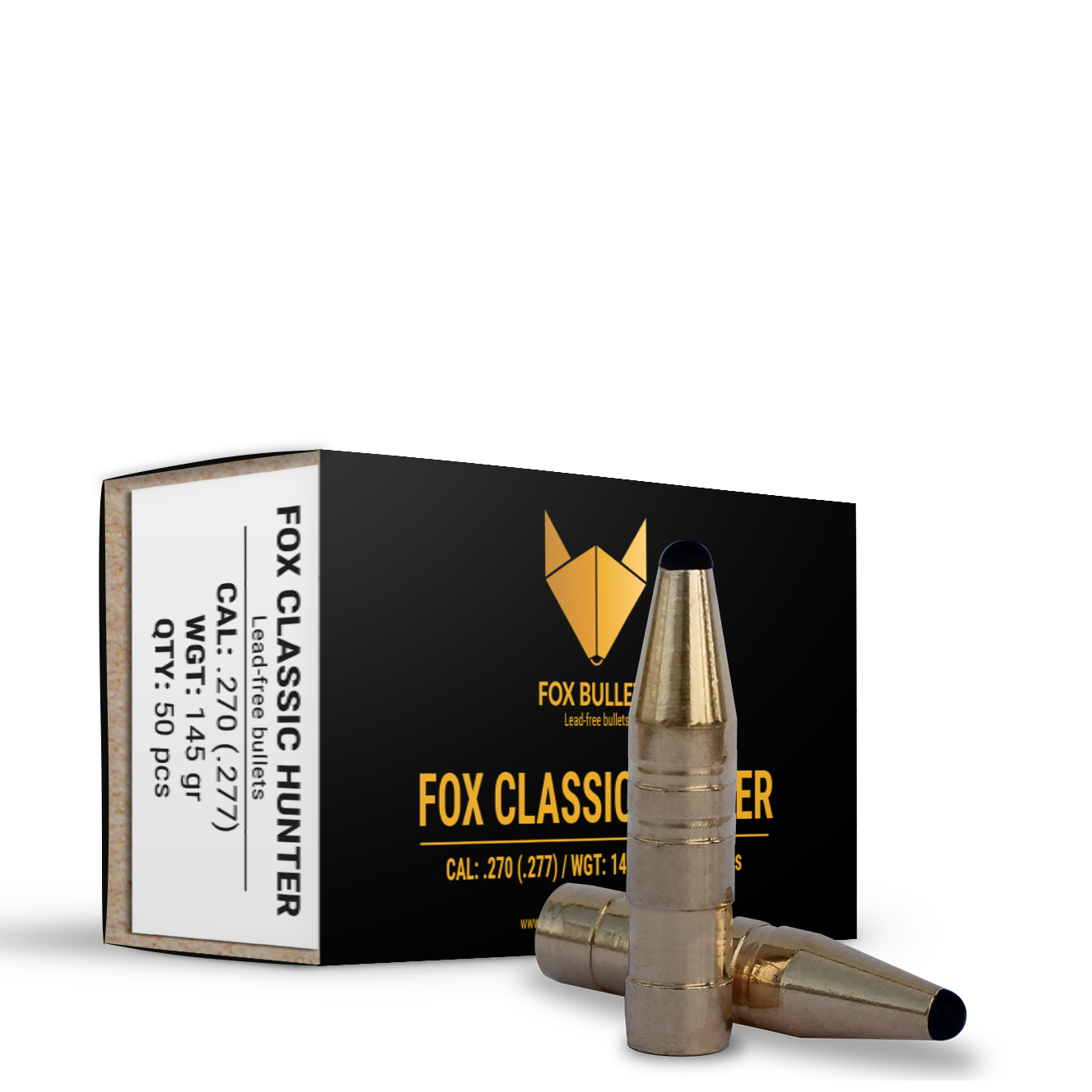
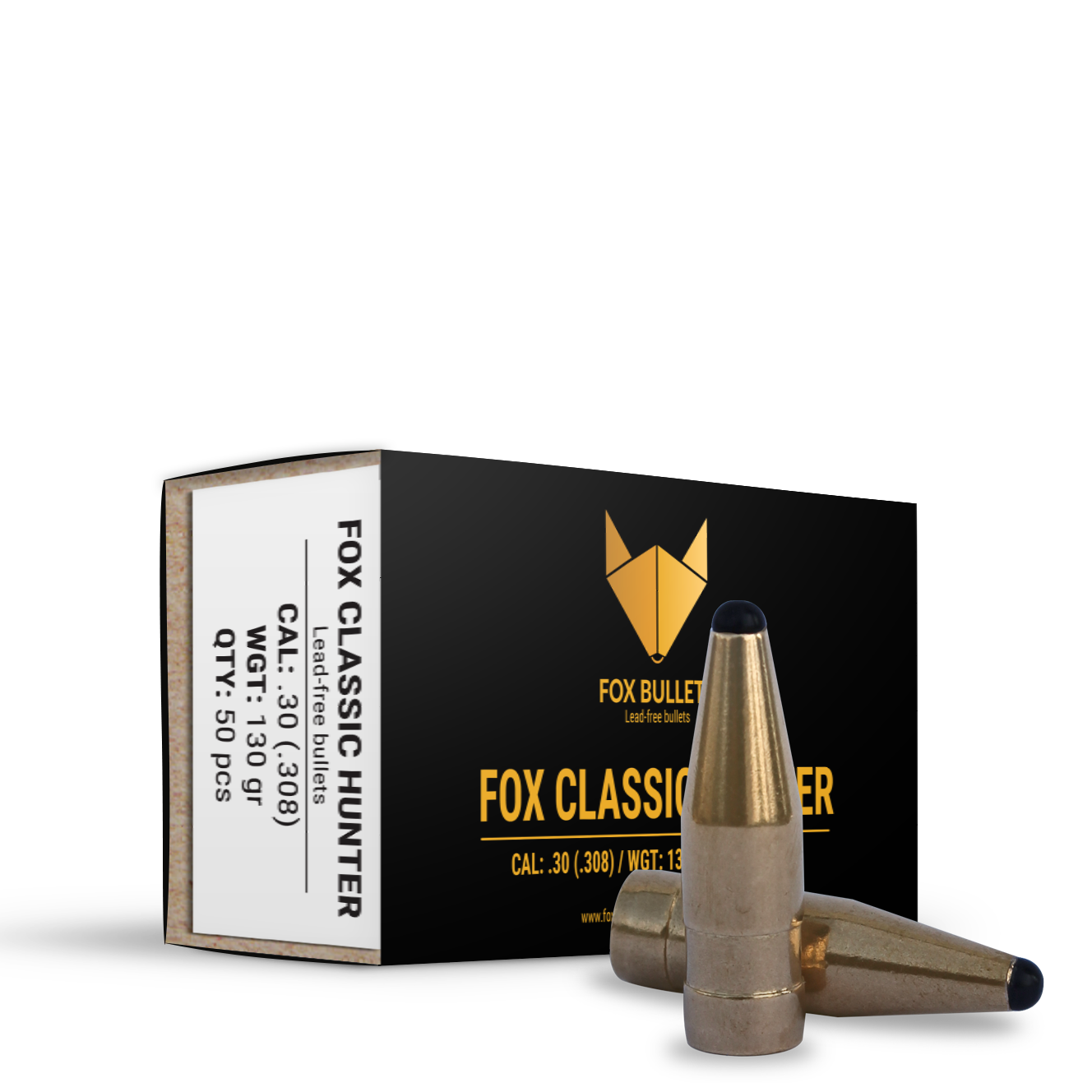
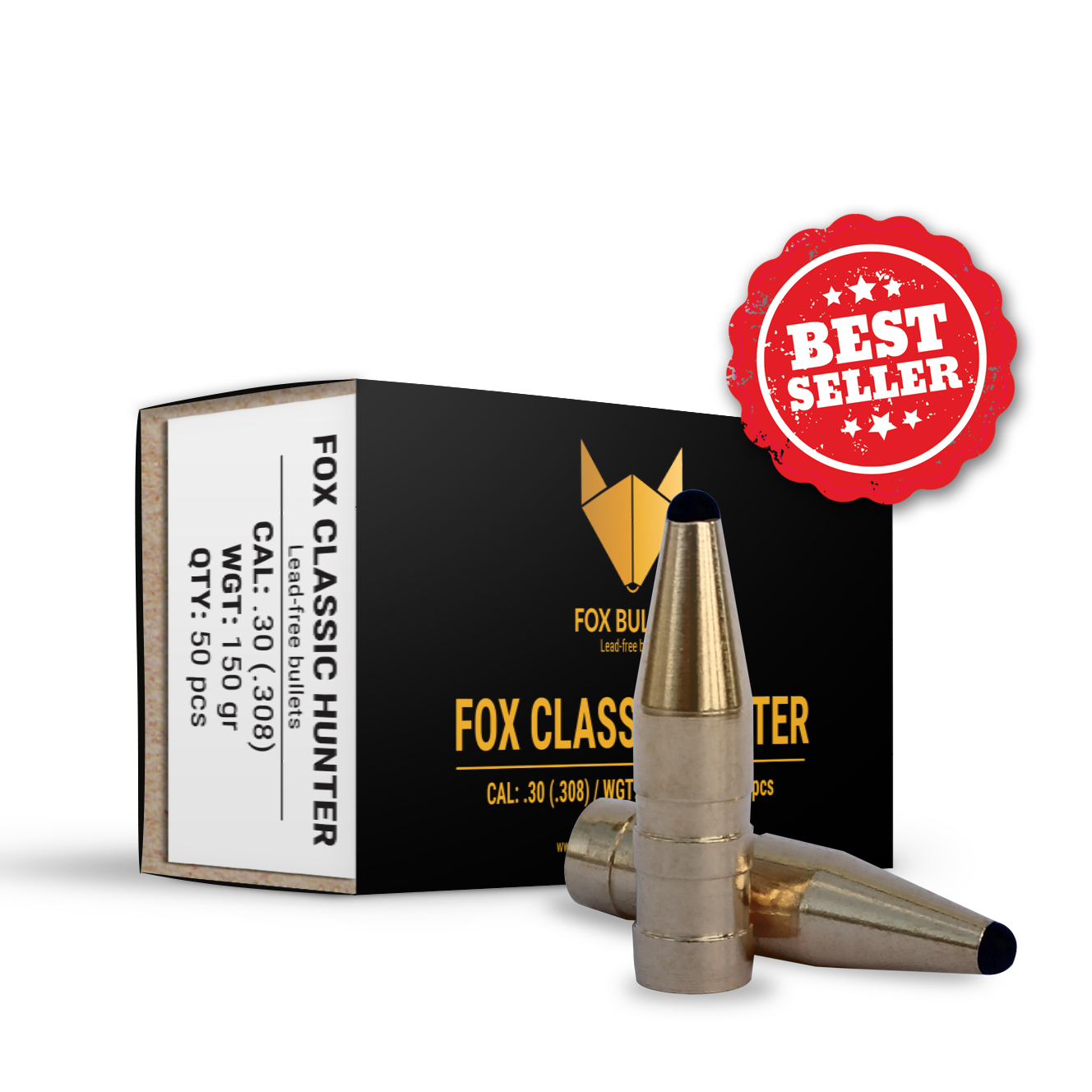
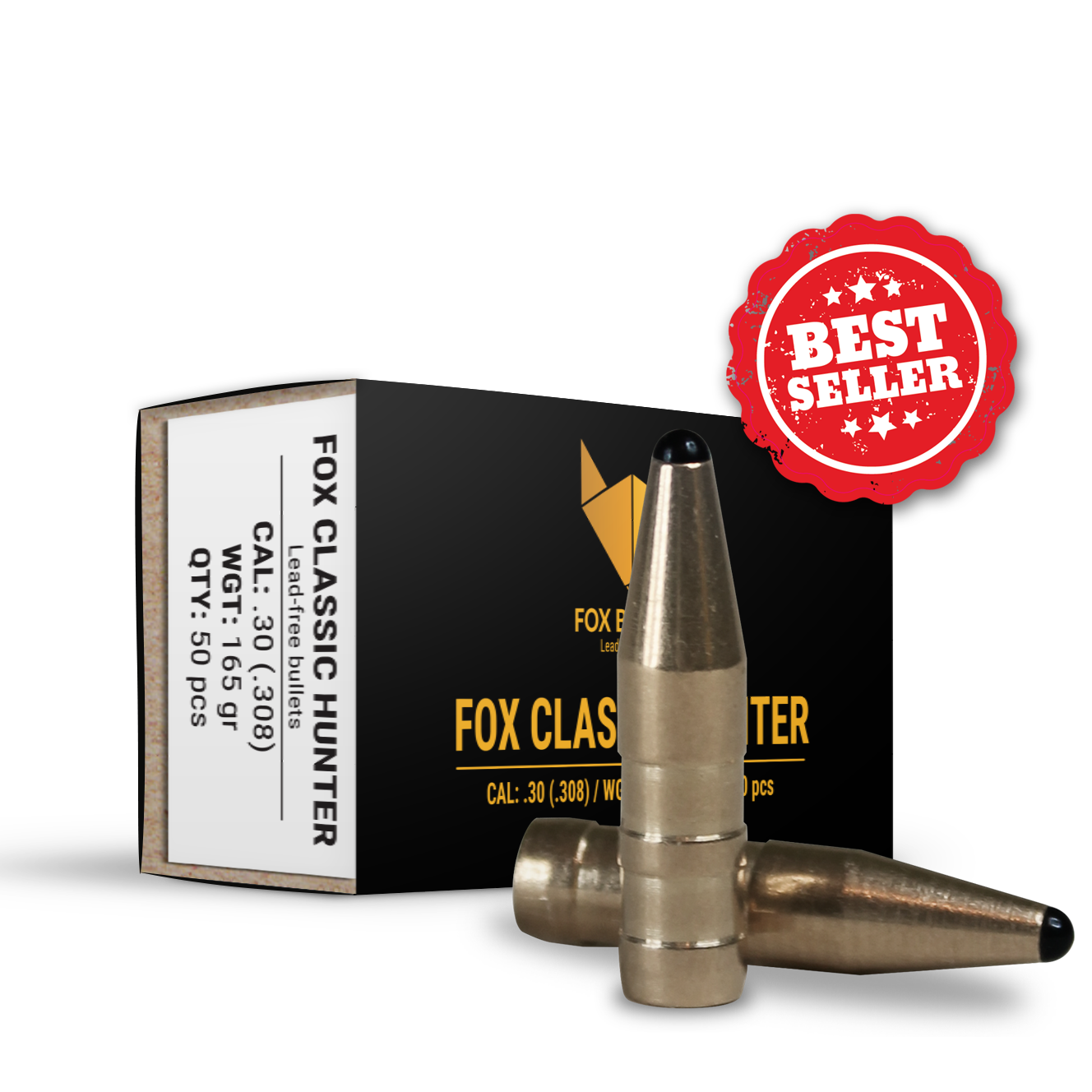
- Driving bands. Grooves cut into the shank leave raised bands that carry the bullet, cutting the bearing surface against the barrel. Less contact area means less material transferred, and lower friction and pressure as a bonus.
- A harder alloy. Pure copper is soft and smears readily. The copper-zinc CuZn10 used in Fox Classic Hunter is harder, and harder metal resists being wiped off into the rifling. This is one of the more practical arguments for alloy over pure copper: see copper-zinc vs solid copper.
How to tell your barrel needs cleaning
- Groups opening up over a session with no other explanation.
- A gradual drift in point of impact across a long string.
- Visible copper colour in the rifling when you look through the bore from the chamber end with a light.
- A patch with copper solvent on it coming out blue or green.
Cleaning without damaging the barrel
More barrels are ruined by bad cleaning than by shooting. The crown at the muzzle and the throat ahead of the chamber are the two areas that matter most and the two most easily damaged.
- Use a bore guide. It keeps the rod centred and stops it wearing the throat.
- Use a coated one-piece rod, not a sectioned steel rod that can flex and scrape.
- Push from chamber to muzzle where the action allows, in the direction the bullet travels.
- Use a dedicated copper solvent and give it the dwell time on the label. Copper removal is chemistry, not scrubbing.
- Never reverse a brush inside the bore. Push it fully out before drawing it back.
- Do not over-clean. Stripping every trace of copper each session means starting from a clean bore every time, and clean bores print differently. Many shooters deliberately clean less often for that reason.
Fox Classic Hunter: harder alloy, less fouling
Projectiles only: no powder, primers or loaded ammunition.
Do copper bullets foul the barrel more than lead bullets?
A monolithic is copper alloy throughout, so more of it contacts the rifling than with a jacketed lead-core bullet. Driving bands and harder alloys both reduce this considerably.
Do Fox bullets foul less than solid copper bullets?
The CuZn10 alloy is harder than pure copper, and harder material is less inclined to smear into the rifling. Combined with the grooved shank, that means slower copper build-up than a comparable solid copper monolithic.
How often should I clean my barrel with lead free bullets?
There is no universal number; it depends on the barrel, the load and the bullet. Watch for groups opening or the point of impact drifting, and clean when the rifle tells you to rather than to a fixed schedule.
Can copper solvent damage my barrel?
Ammonia-based copper solvents will attack steel if left in the bore indefinitely. Use them for the dwell time the manufacturer specifies and clean them out afterwards.
Read next
Oxon Deer stocks the full Fox Classic Hunter range in 6mm, 6.5mm, .270 and .308, in boxes of 50. Browse the shop.