
Zeroing after switching to lead free bullets
Why your point of impact shifts when you change to a monolithic bullet, and how to work back to a reliable zero.
Last updated 28 July 2026
Change the bullet and you have changed the load. That is the whole principle, and it applies whether you have moved from lead to copper-zinc, from 150 grain to 130, or from one manufacturer to another. Re-zero every time.
Why the point of impact moves
Several things change at once when you swap to a monolithic, and they do not all push in the same direction:
- Velocity. Lower friction from the driving bands and a different weight mean a different muzzle velocity, which changes the time the bullet spends in the barrel.
- Barrel harmonics. The barrel whips as it fires. A bullet that exits at a slightly different moment in that cycle leaves at a slightly different angle.
- Trajectory. A different weight and ballistic coefficient produce a different curve downrange even from an identical starting point.
- Recoil impulse. A lighter, faster bullet delivers a different push, which subtly changes how the rifle moves before the bullet leaves.
A sensible zeroing sequence
- Start close. Get on paper at 25 or 50 metres before burning ammunition at distance. A bullet that is off the paper at 100m tells you nothing about which way to turn.
- Clean, then foul. If you have just scrubbed the barrel, fire a couple of fouling shots first. A clean cold bore frequently prints away from the rest of the string.
- Let the barrel cool. Group in threes, with time between strings. A hot barrel walks and you will chase it.
- Adjust off the group centre, never off a single shot.
- Confirm at your working distance. Once zeroed, verify at the ranges you actually shoot at.
- Record everything. Load, weight, velocity if you have it, conditions and final clicks.
The first-shot question
This is what matters in the field. You will almost always take your shot at a deer from a cold barrel, so that is the condition you need confidence in. It is worth deliberately testing where your first cold-bore shot lands relative to the group, several times across several sessions, and knowing that number.
Copper fouling and your zero
Copper build-up in the rifling moves the point of impact over a long string. This is one of the practical arguments for the harder copper-zinc alloy; it fouls more slowly, so your zero holds over more rounds. See copper fouling and barrel cleaning.
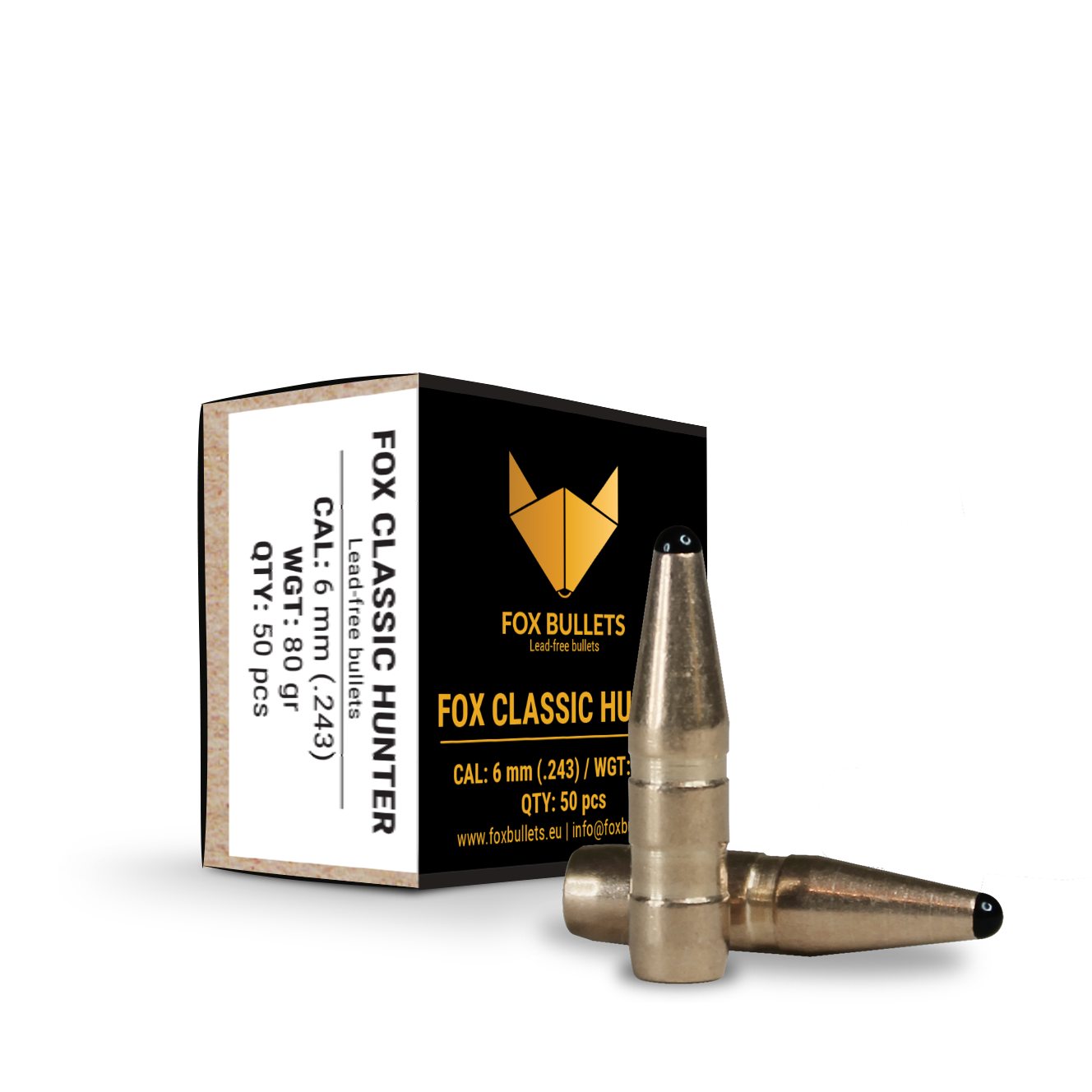
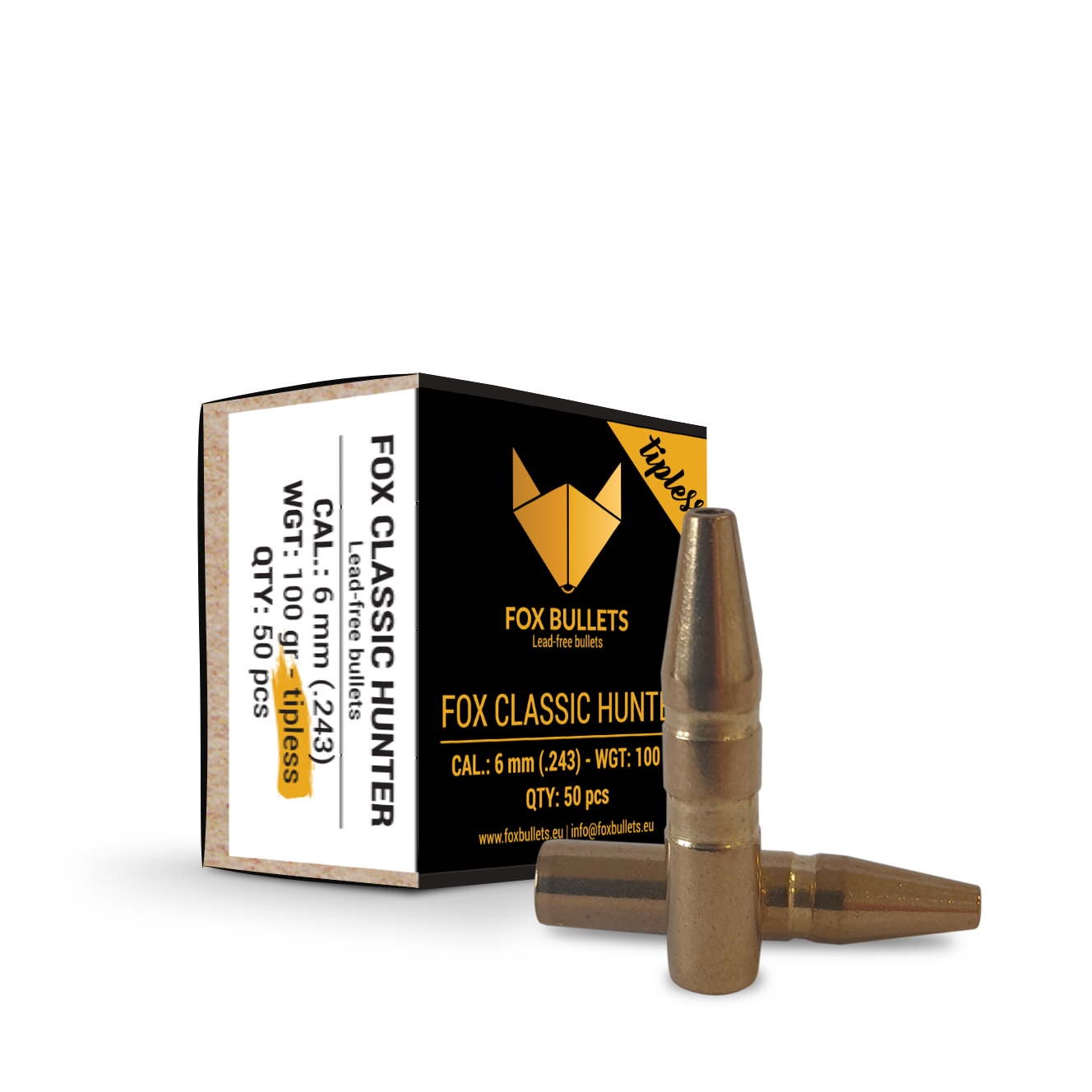
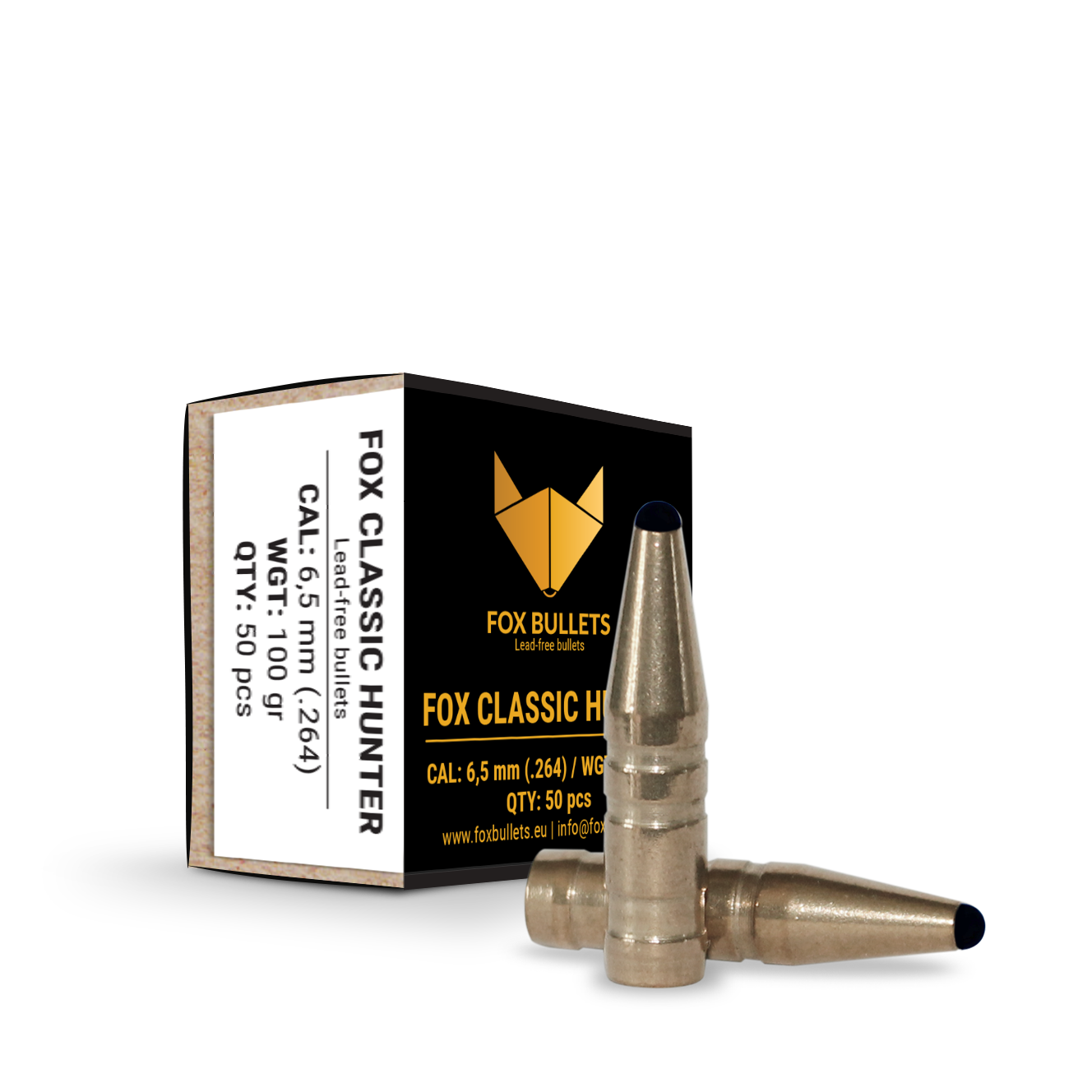
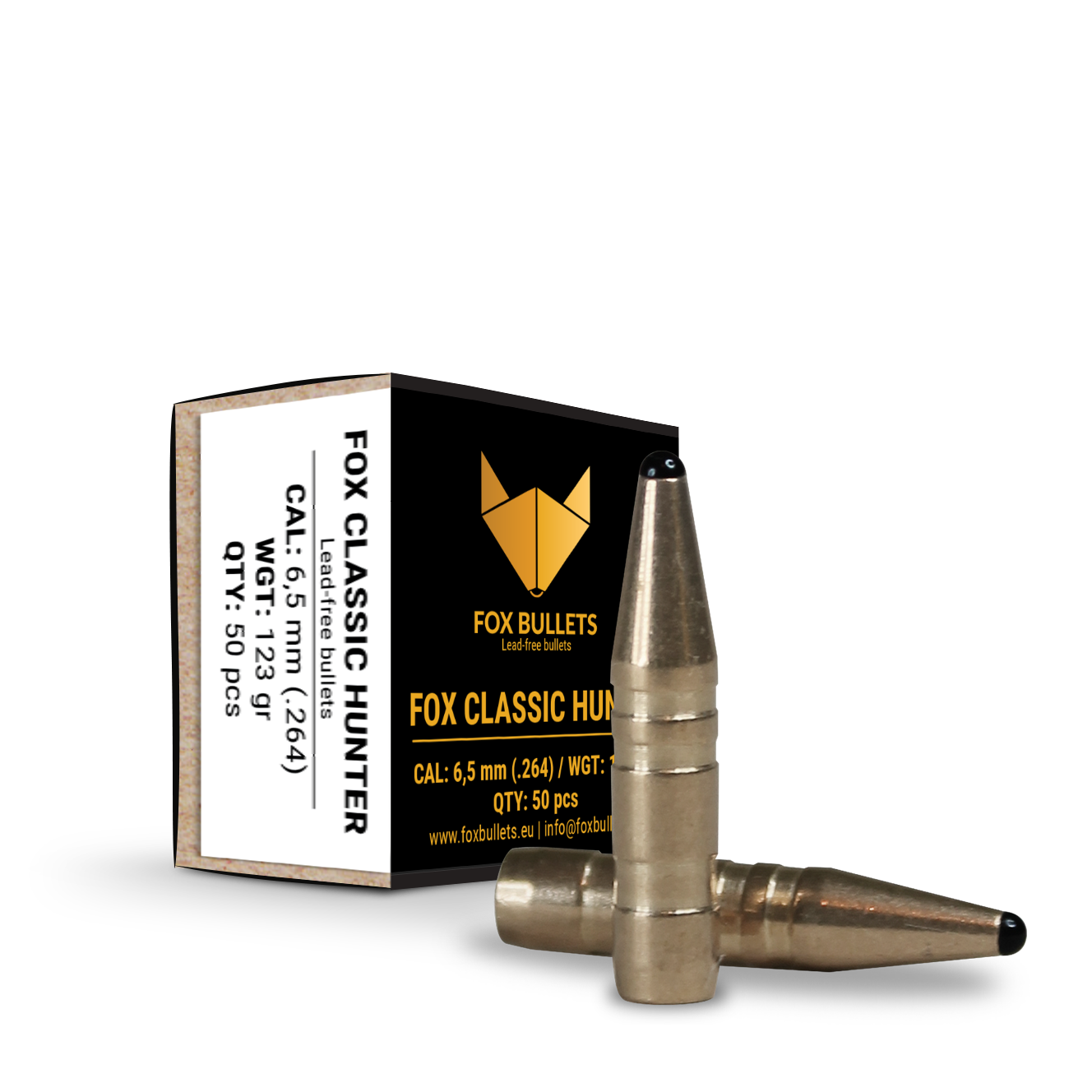
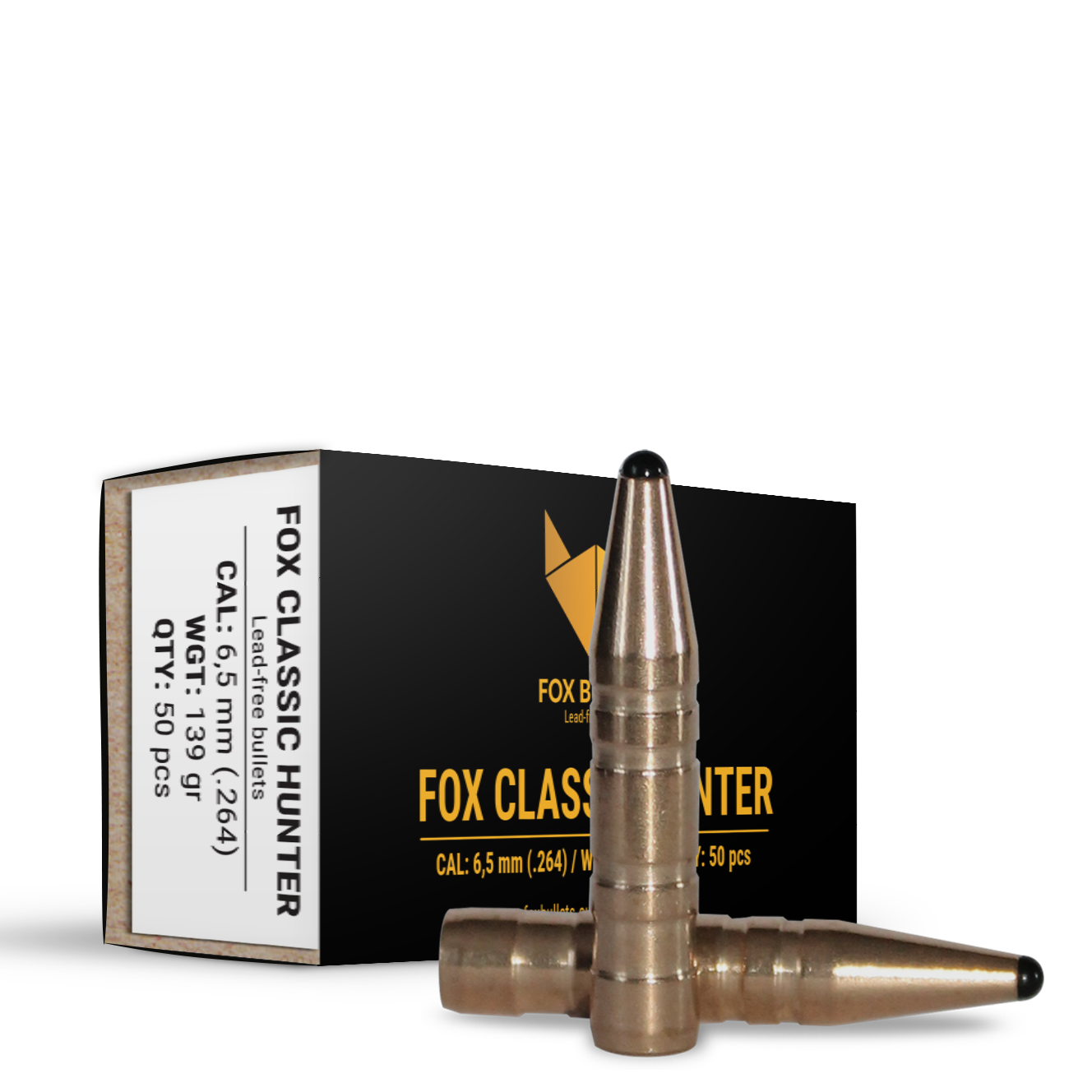
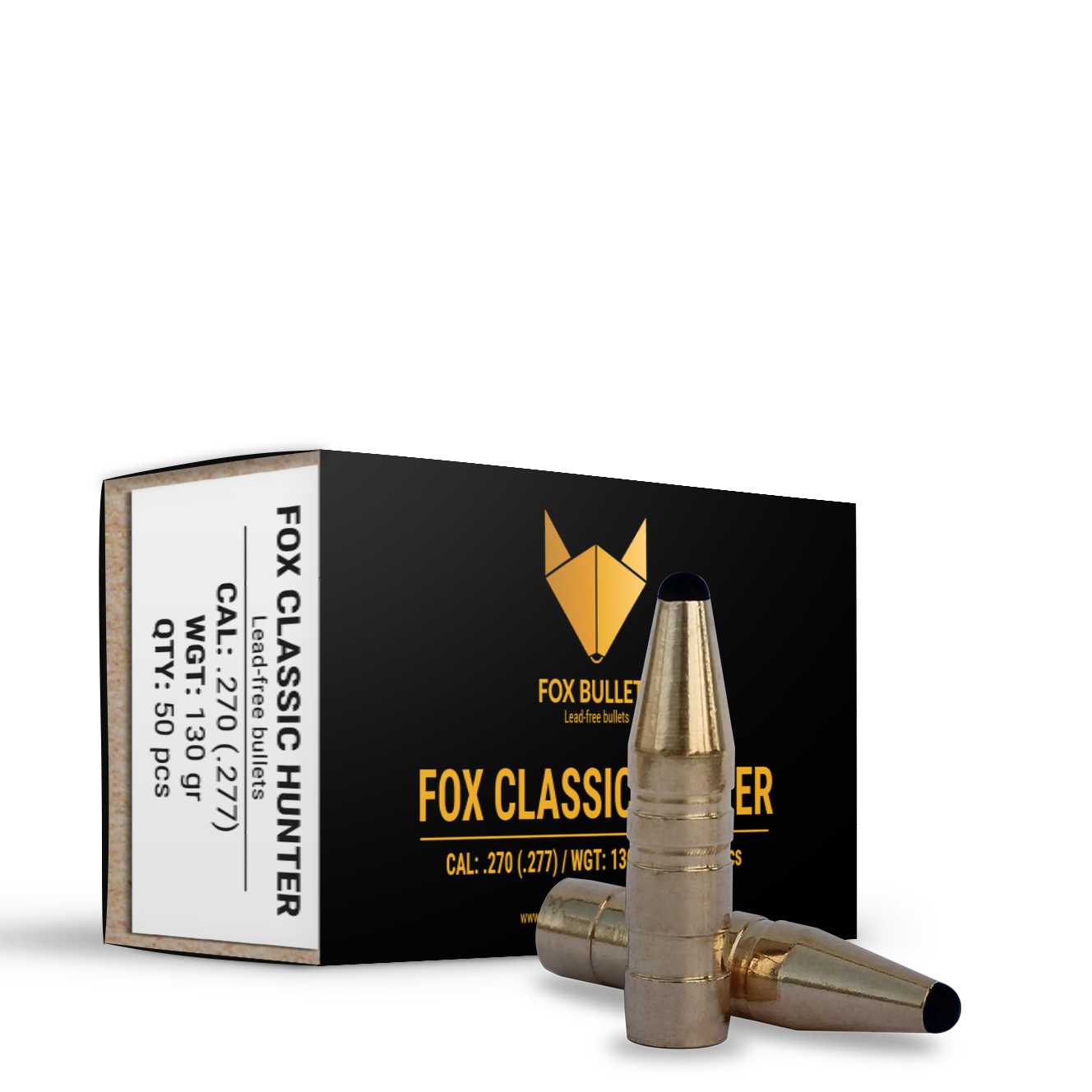
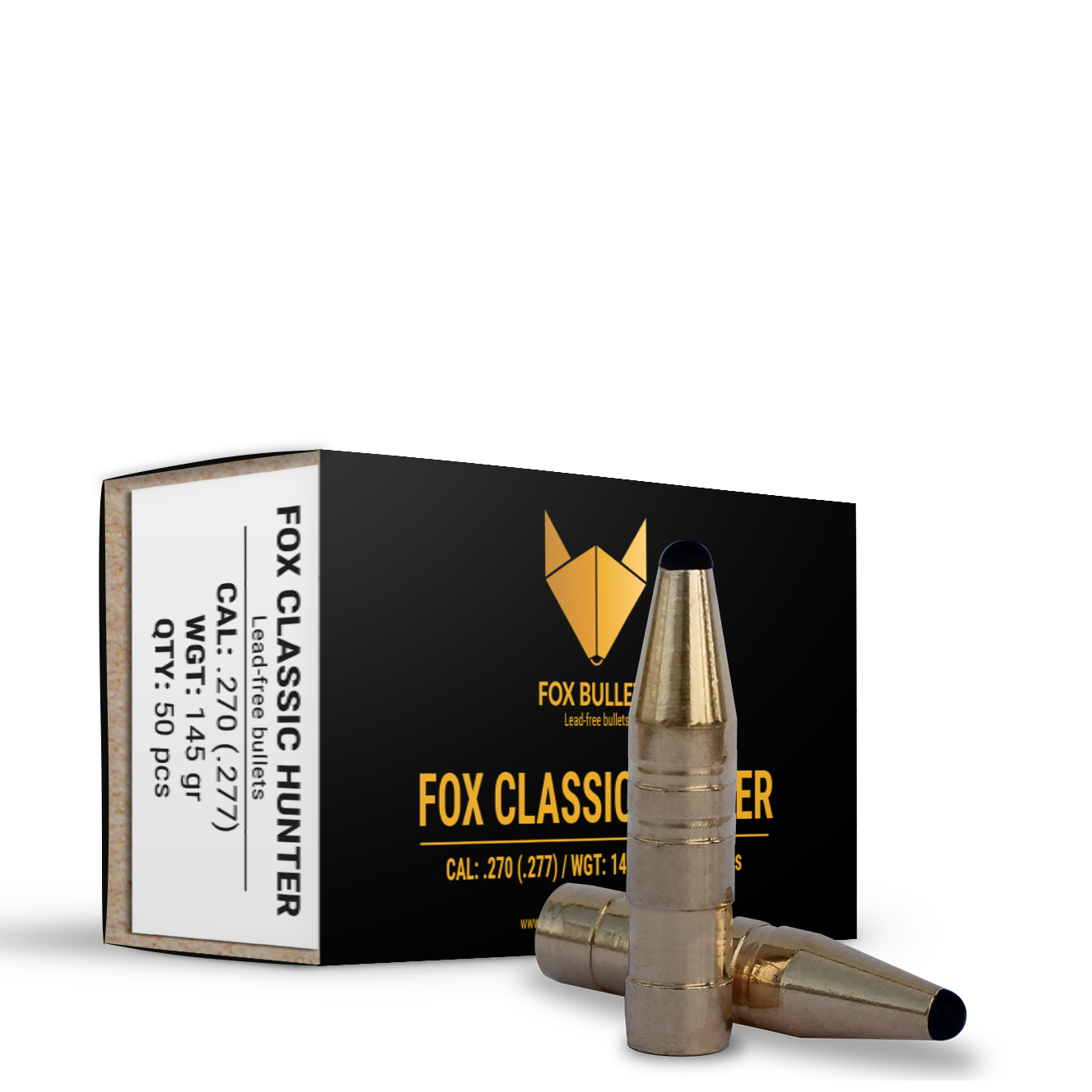
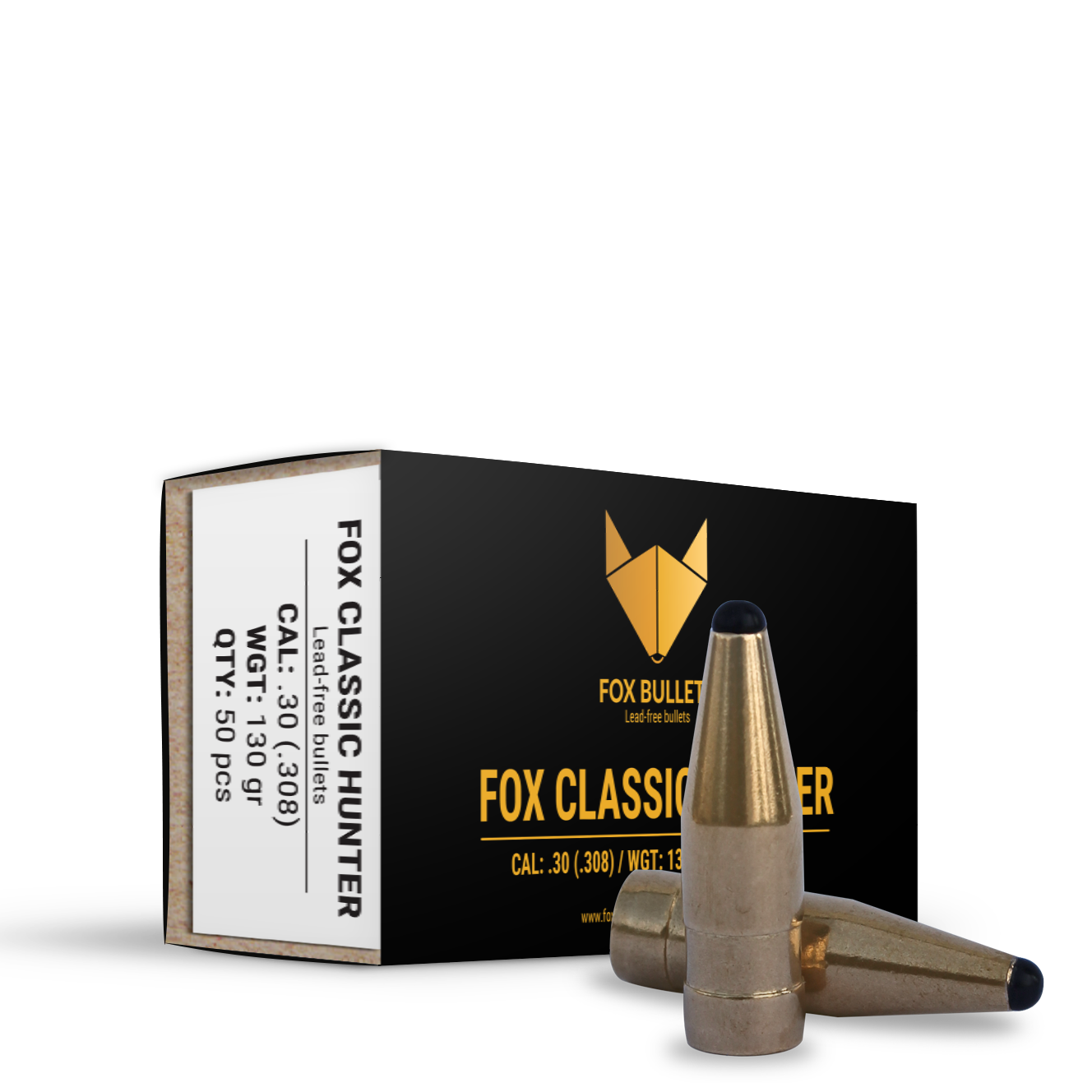
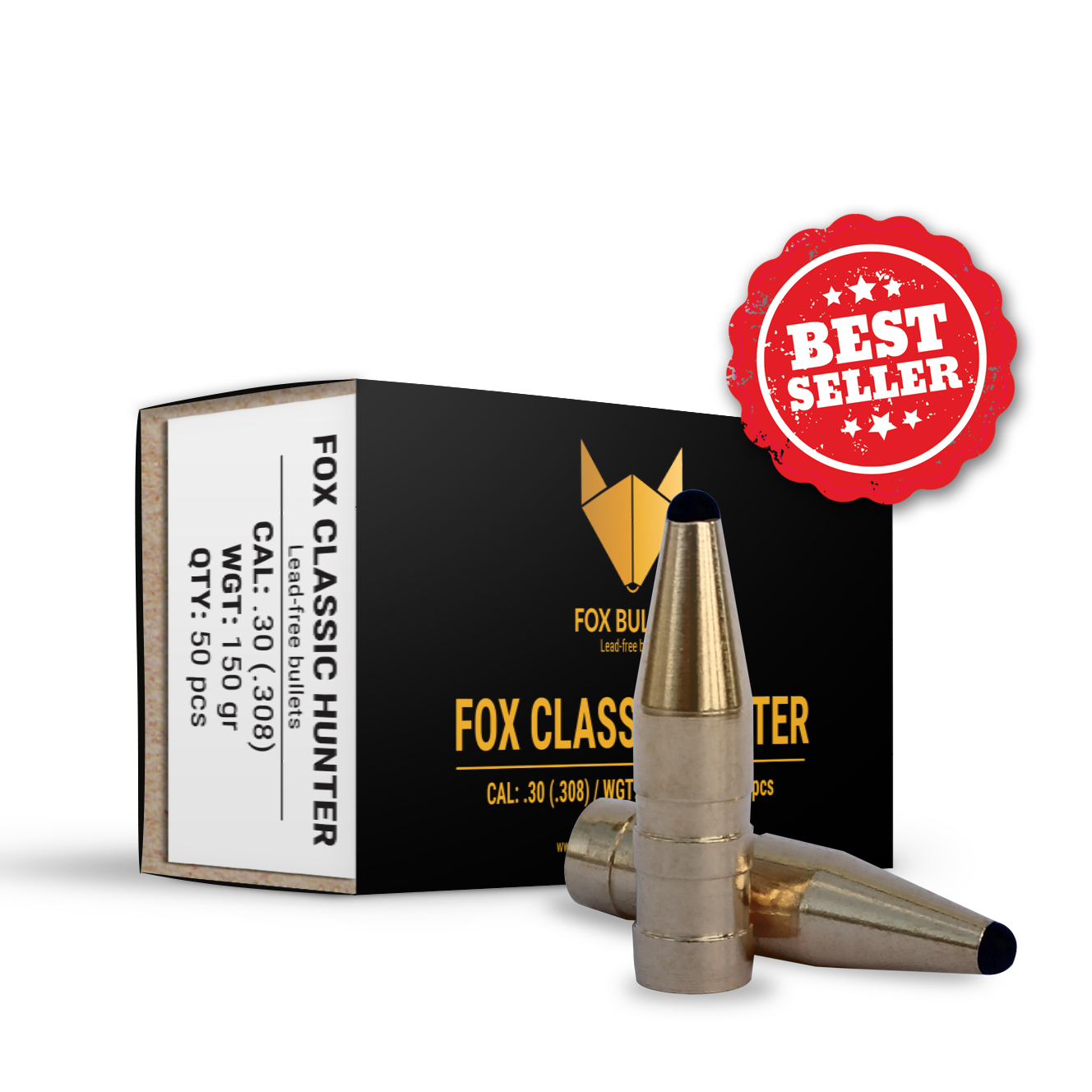
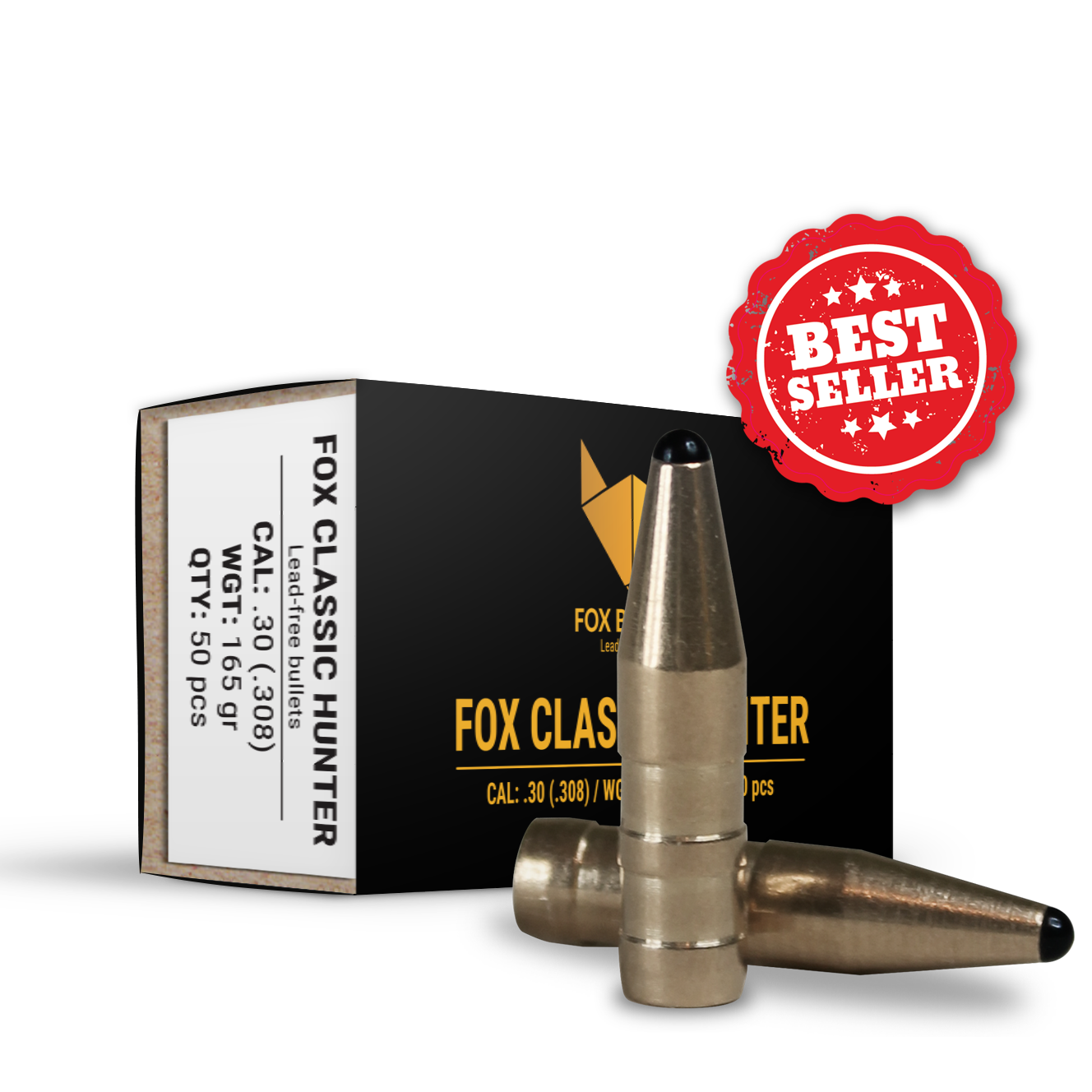
Fox Classic Hunter
Projectiles only: no powder, primers or loaded ammunition.
Do I need to re-zero when switching to lead free bullets?
Yes, always. A different bullet weight, length and velocity produces a different point of impact. Treat any bullet change as a completely new load.
Do copper bullets shoot higher or lower than lead?
There is no reliable rule. The shift depends on velocity, barrel harmonics and the specific rifle, and it can go in either direction. The only way to know is to shoot it.
How many rounds should I allow for re-zeroing?
Allow a box. Getting on paper close in, working out to your zero distance, letting the barrel cool between strings and confirming at working range takes more rounds than people expect.
Should I zero from a clean or fouled barrel?
Fire a couple of fouling shots after cleaning before you zero, since a clean cold bore often prints away from the group. Then separately establish where your first cold-bore shot lands, because that is the shot you will take at a deer.
Read next
Oxon Deer stocks the full Fox Classic Hunter range in 6mm, 6.5mm, .270 and .308, in boxes of 50. Browse the shop.