
Reloading Fox Classic Hunter: seating depth, case capacity and load development
What changes when you handload a monolithic bullet: seating depth, jump to the lands, case capacity and a safe approach to working up.
Last updated 28 July 2026
Fox Classic Hunter bullets are sold as components for handloading. Loading a monolithic is not harder than loading a lead-core bullet, but it is different in ways worth understanding before you start.
Longer bullets, less case capacity
The recurring theme. A copper-zinc bullet is longer than a lead bullet of the same weight, so at a given overall length more of it sits inside the case, displacing powder. Less powder space means less velocity for the same pressure: one more reason the one-step-lighter rule tends to work out well.
Seating depth and jump
Monolithics are commonly less sensitive to jump, the gap between the bullet and the start of the rifling, than match lead-core bullets, and many shooters find they group well with a generous jump. That is convenient, because seating a long bullet out close to the lands is often what runs you into magazine length.
- Establish your rifle's distance to the lands with a comparator before you start.
- Check the round fits and feeds from the magazine at your intended overall length. A load that only works single-fed is not much use stalking.
- Try a spread of seating depths at a mid charge. Depth often does more for group size than the last tenth of a grain of powder.
- Measure to the ogive with a comparator rather than to the polymer tip. Tip lengths vary between individual bullets and will give you a false reading.
The driving bands
The grooves cut into the shank reduce the bearing surface against the barrel. That lowers friction and therefore pressure for a given charge, which is part of why monolithics can run at good velocities. It also means pressure signs may appear at a different charge weight than you would expect from a lead-core load in the same case: another reason to work up rather than jump to someone else's maximum.
A workable development sequence
- Confirm the bullet suits your twist rate. See twist rate for lead free bullets.
- Prepare cases consistently: same headstamp, trimmed to a uniform length, uniform neck tension.
- Load a ladder from the published starting charge upwards in small increments, at a safe overall length.
- Shoot the ladder over a chronograph if you have one, watching for pressure signs at every step.
- Pick the charge that shows a stable velocity node, then vary seating depth around it.
- Confirm the final load across several sessions and temperatures before trusting it.
- Record everything. You will not remember it next season.
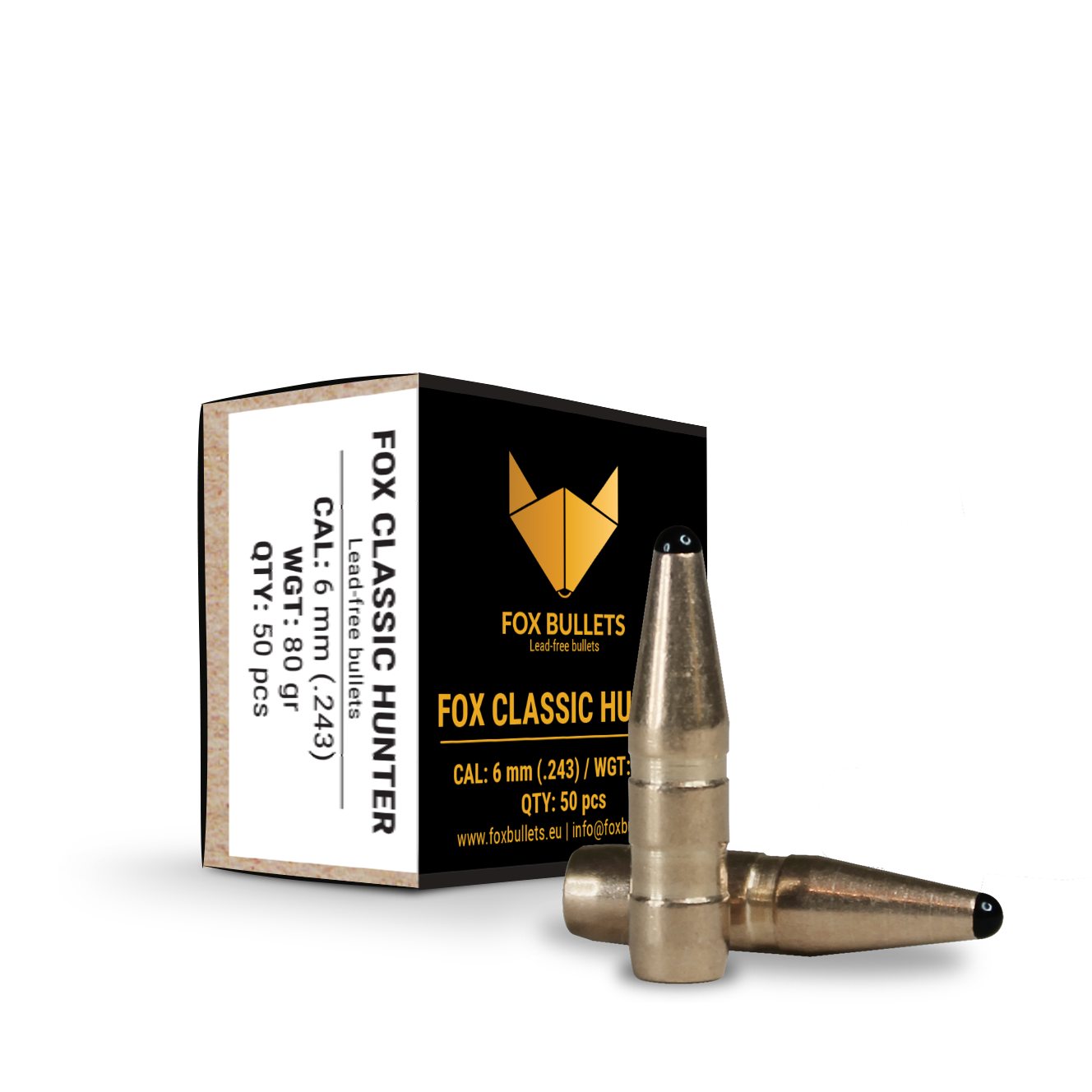
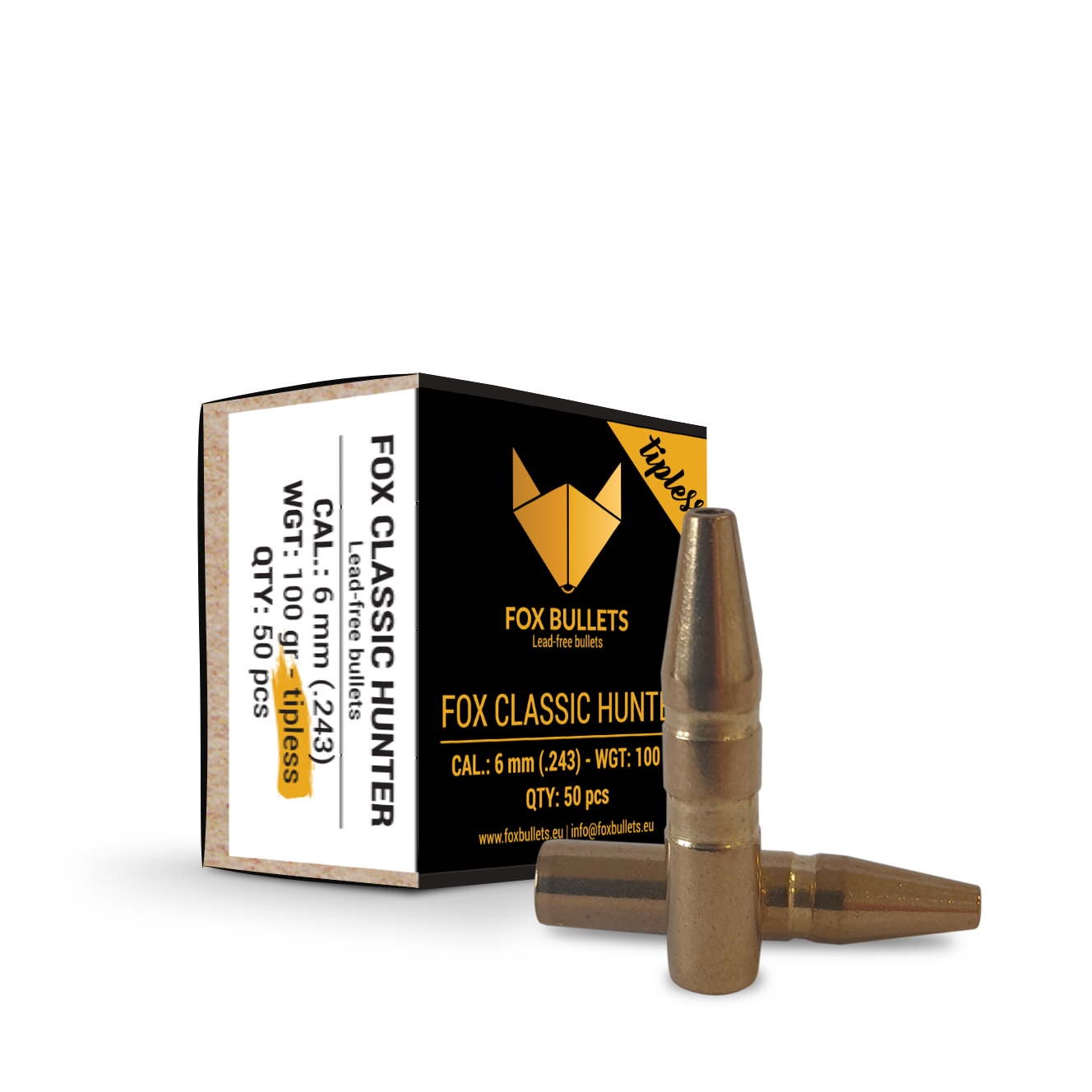
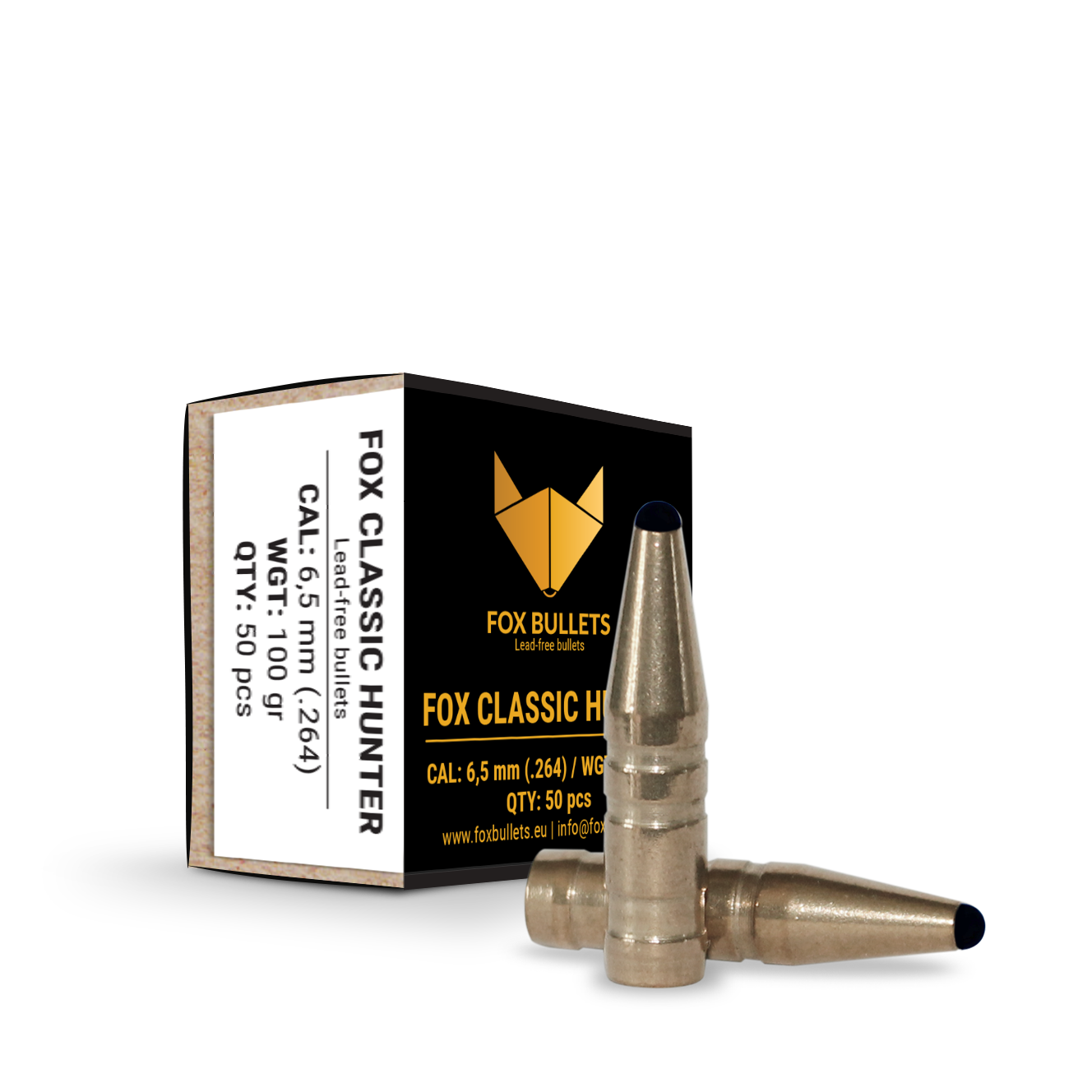
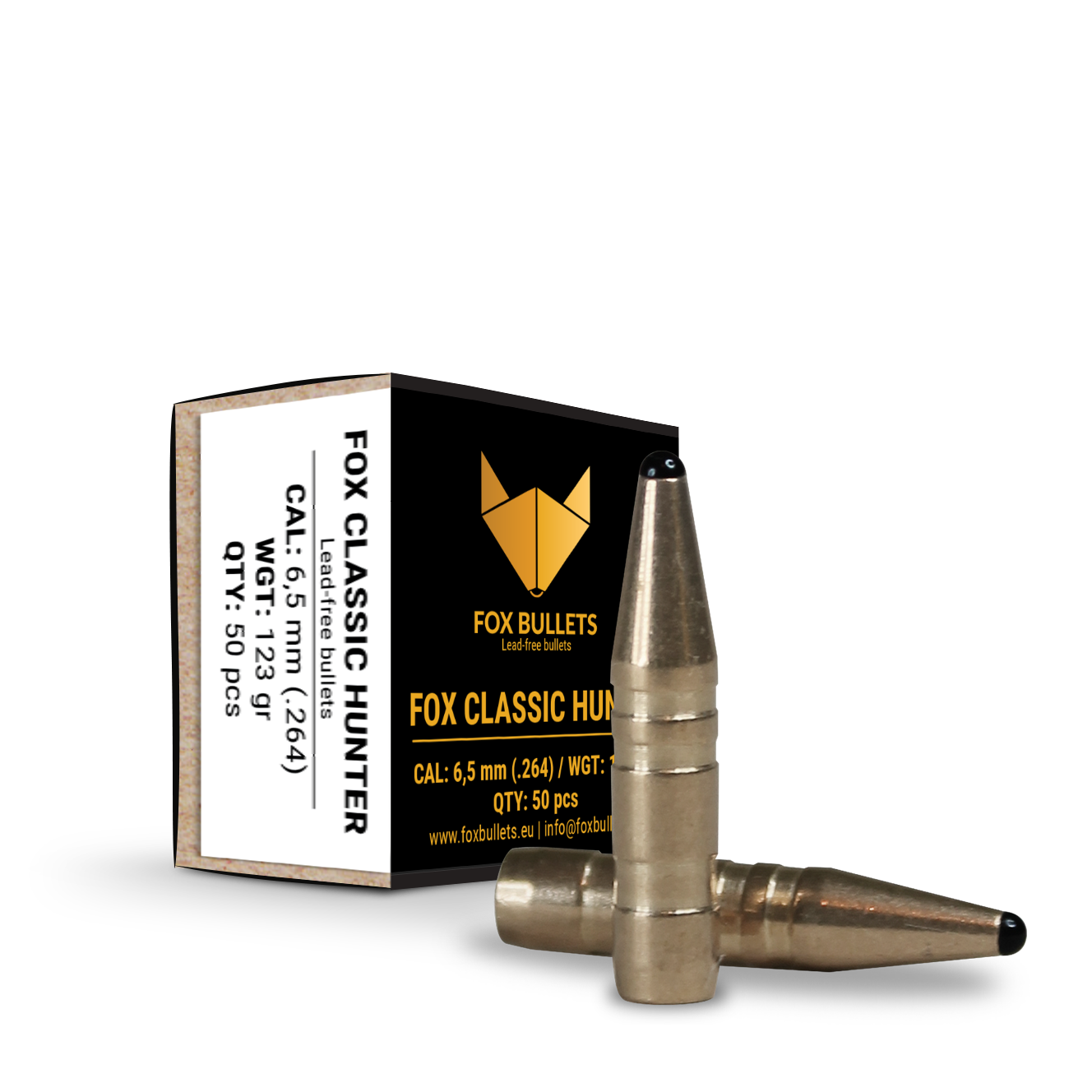
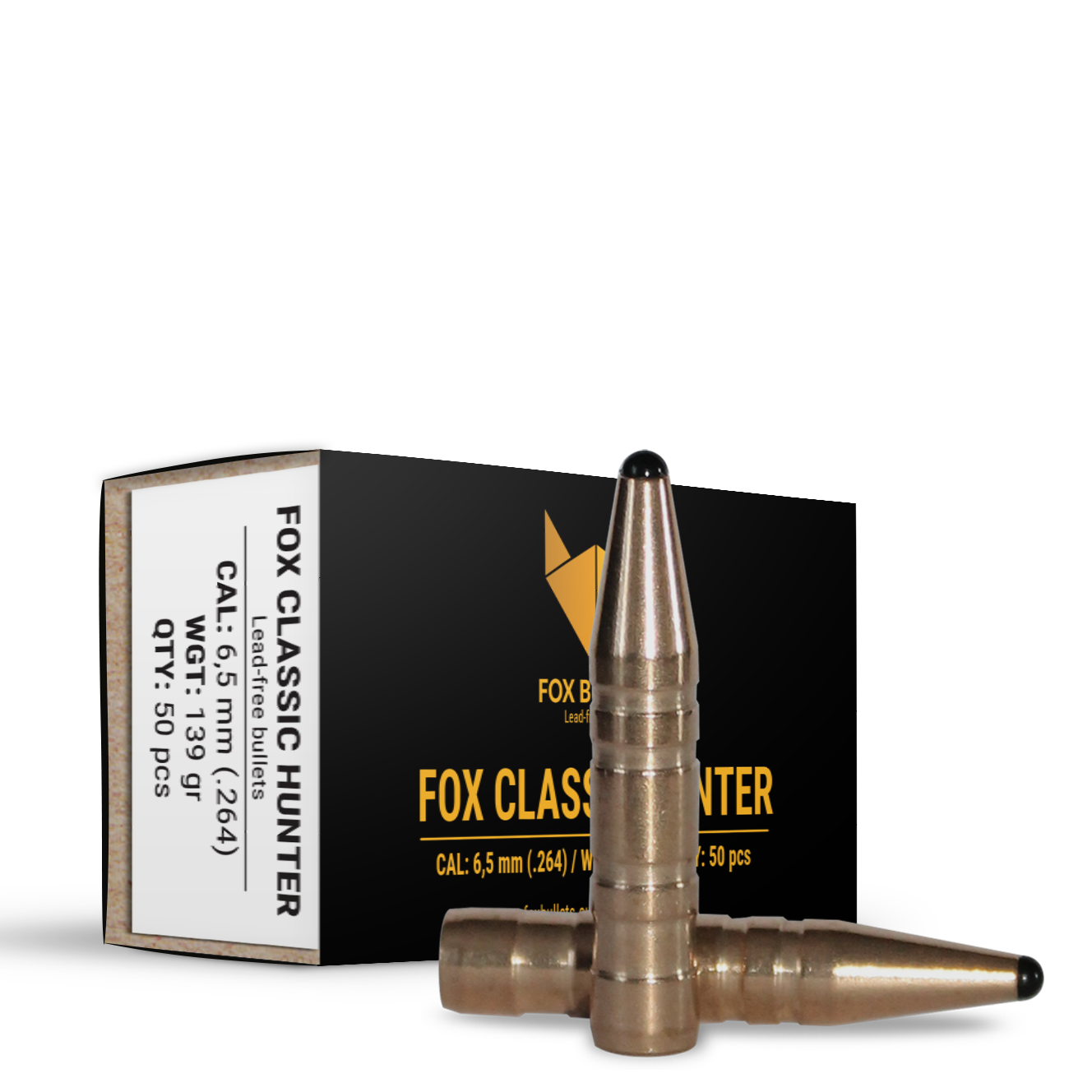
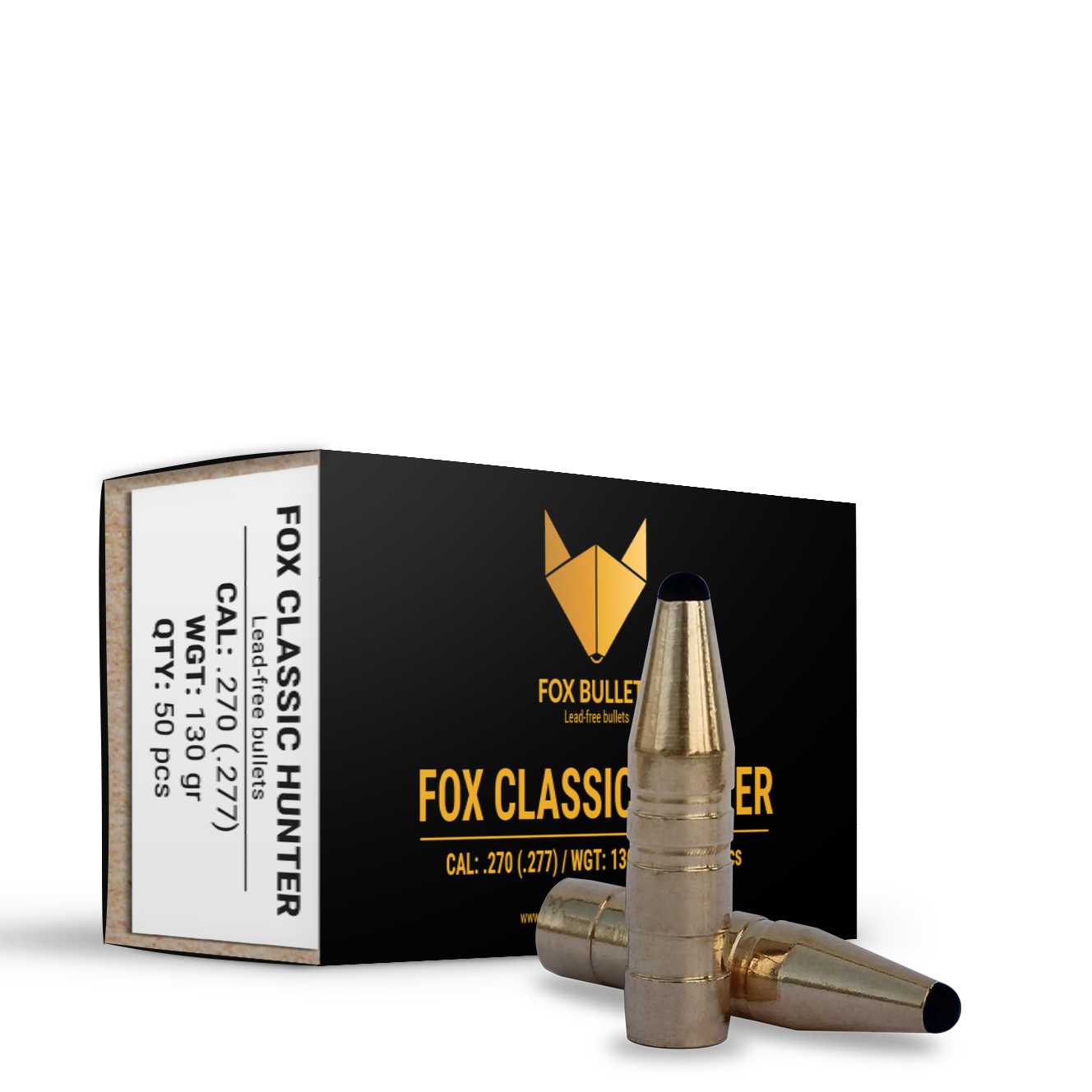
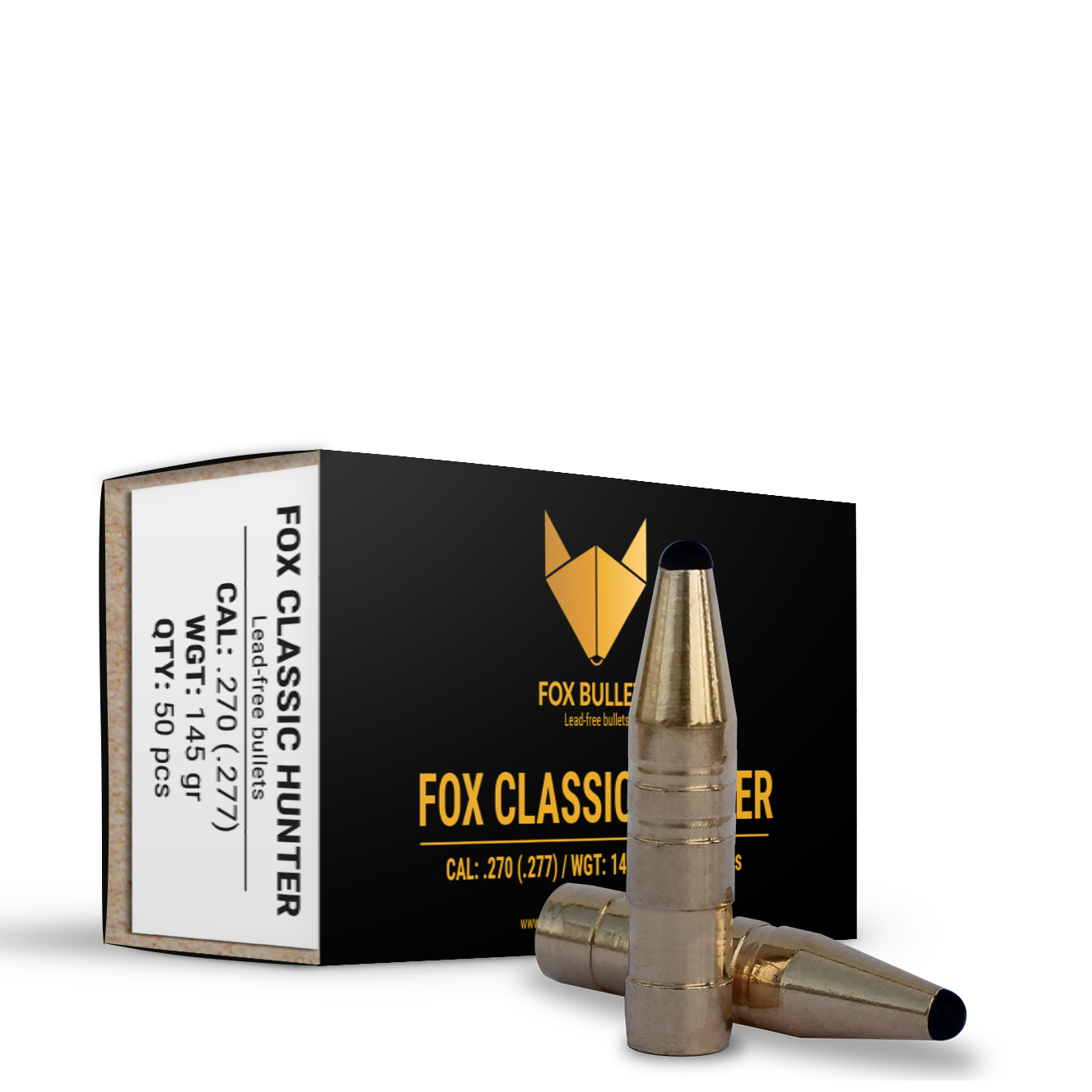
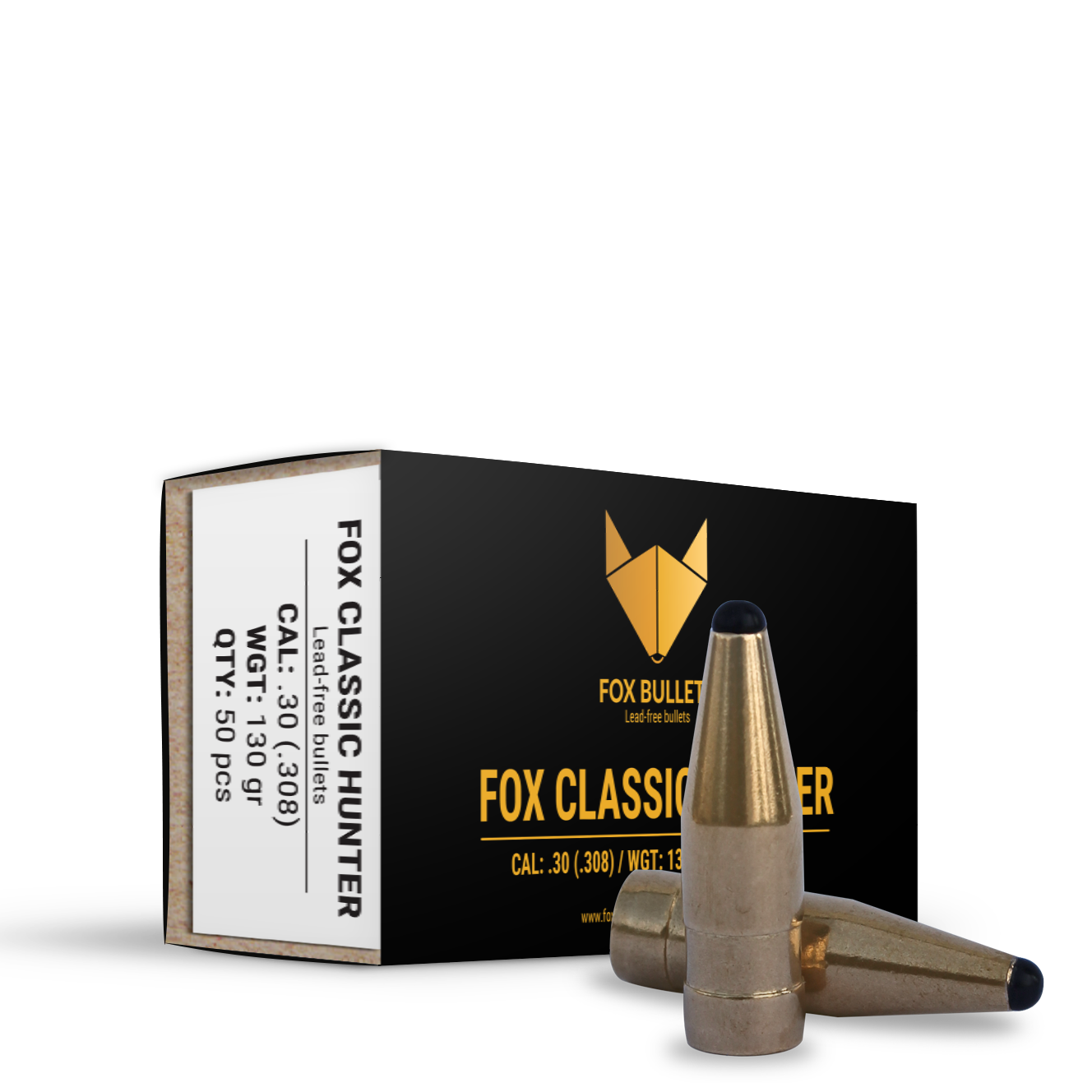
Fox Classic Hunter projectiles
Projectiles only: no powder, primers or loaded ammunition.
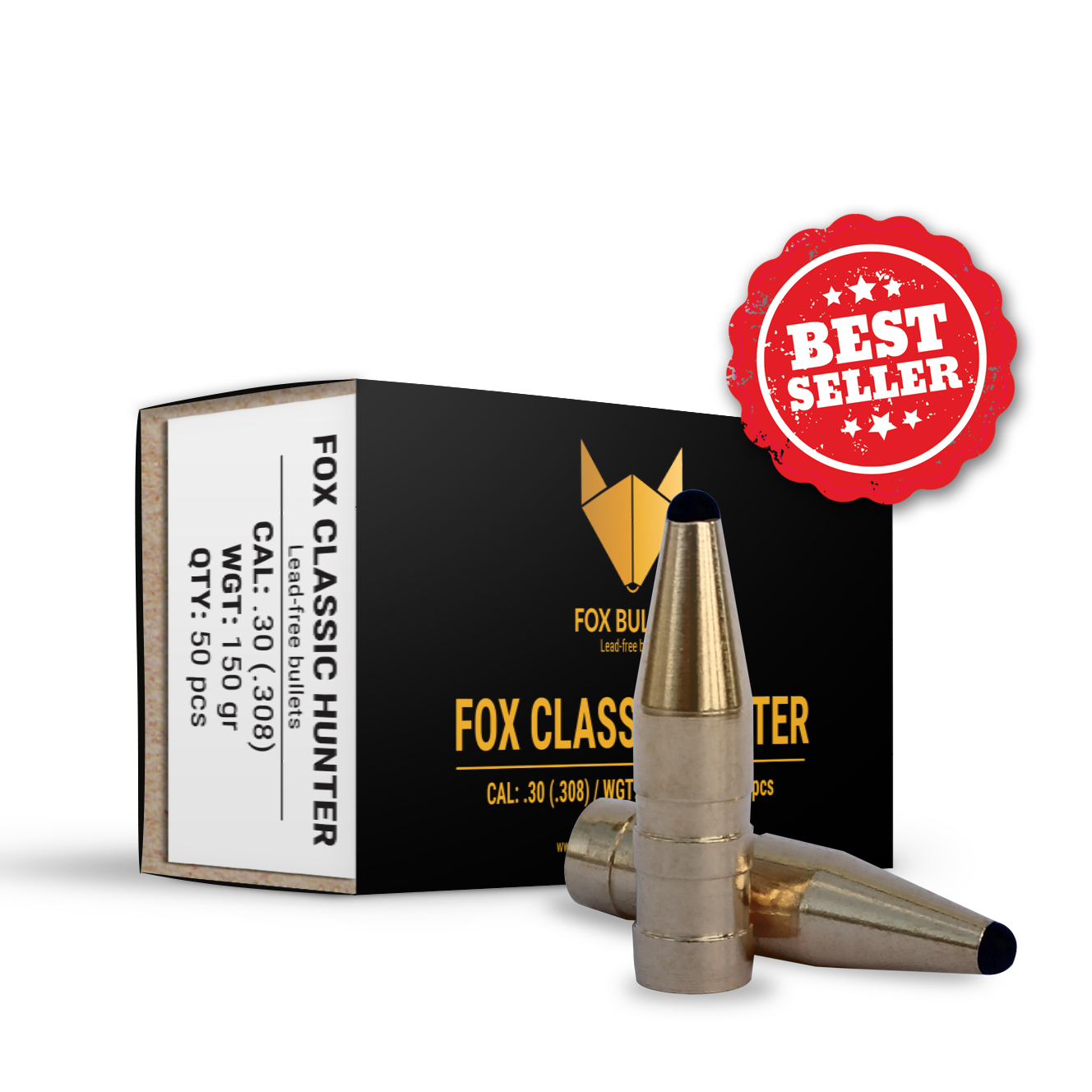
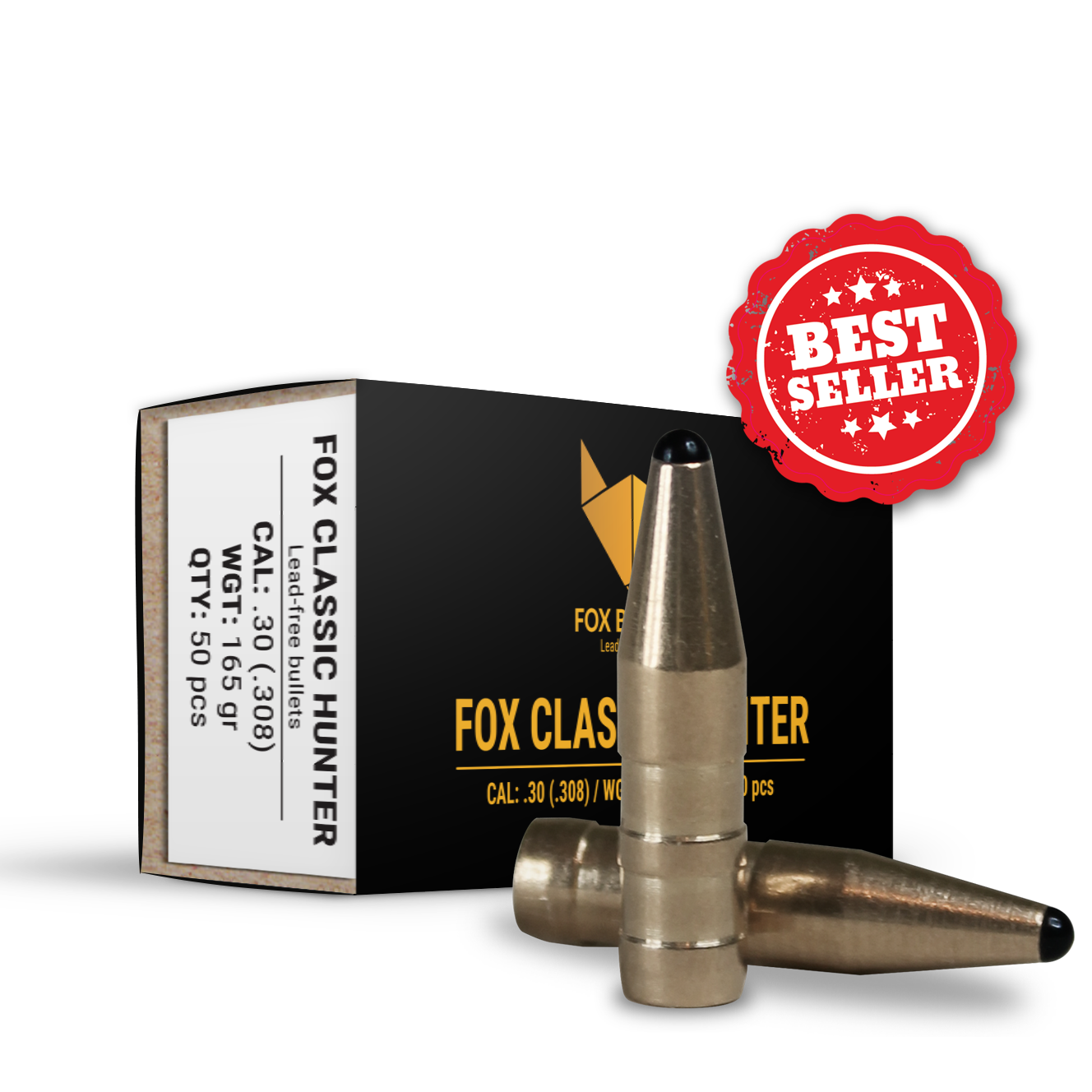
Do monolithic bullets need a different seating depth?
They are generally more tolerant of jump than match lead-core bullets, so a generous gap to the lands often works well. Test a spread of depths at a mid charge; depth frequently affects group size more than small charge changes do.
Why do lead free bullets reduce case capacity?
They are longer for a given weight because the alloy is less dense than lead, so at the same overall length more of the bullet sits inside the case and displaces powder.
Should I measure to the tip or the ogive?
Always to the ogive, using a comparator. Polymer tip lengths vary between individual bullets, so measuring to the tip gives inconsistent readings.
Do you publish load data for Fox bullets?
No. We sell components only. Use current published data for your cartridge, bullet weight and powder, and always work up from the starting charge.
Read next
Oxon Deer stocks the full Fox Classic Hunter range in 6mm, 6.5mm, .270 and .308, in boxes of 50. Browse the shop.