
Twist rate and lead free bullets: what to check before buying
Monolithic bullets are longer than lead bullets of the same weight, so twist rate matters more. How to check yours will stabilise the weight you want.
Last updated 28 July 2026
This is the single most common reason a lead free load disappoints, and it is entirely avoidable. Copper and copper-zinc alloy are less dense than lead. To make a bullet weigh the same, you have to make it longer. And it is length, not weight, that determines how much spin a bullet needs to stay point-forward in flight.
How twist rate is expressed
A twist rate of 1:10 means the rifling completes one full rotation in ten inches of barrel. A smaller second number means a faster twist: 1:8 spins the bullet harder than 1:10. Faster twists stabilise longer bullets.
You can usually find your rifle's twist rate stamped on the barrel, in the manual, or on the manufacturer's website. If not, run a tight-fitting cleaning patch down the bore on a rod that is free to rotate and measure how far it travels for one complete turn.
Fox Classic Hunter lengths
Because length is what matters, here is the published length of every weight in the range. Compare these against the lead bullets you have been shooting.
| Bullet | Weight | Length | Twist demand |
|---|---|---|---|
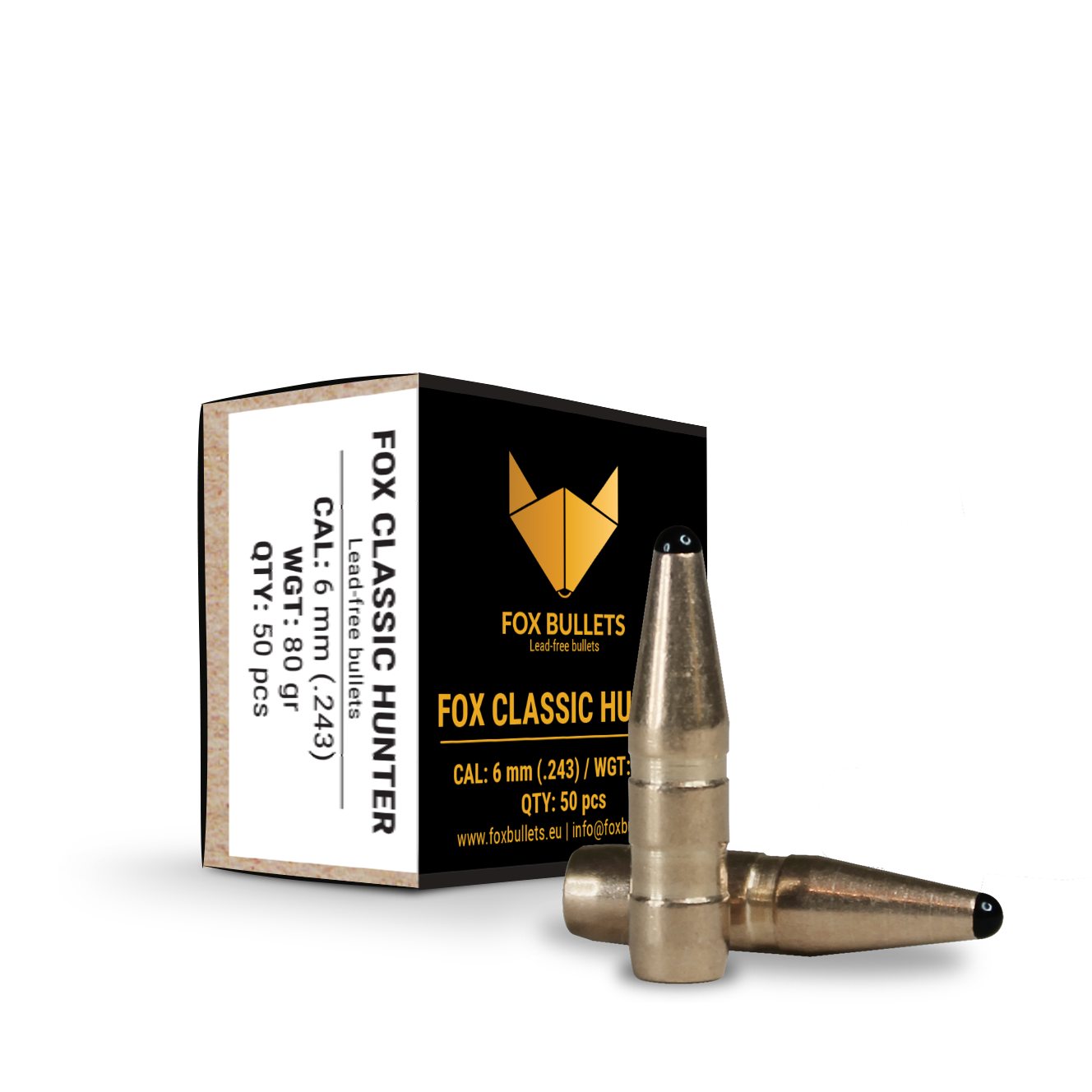
| 6mm (.243) | 80 gr | 27.2 mm | Modest |
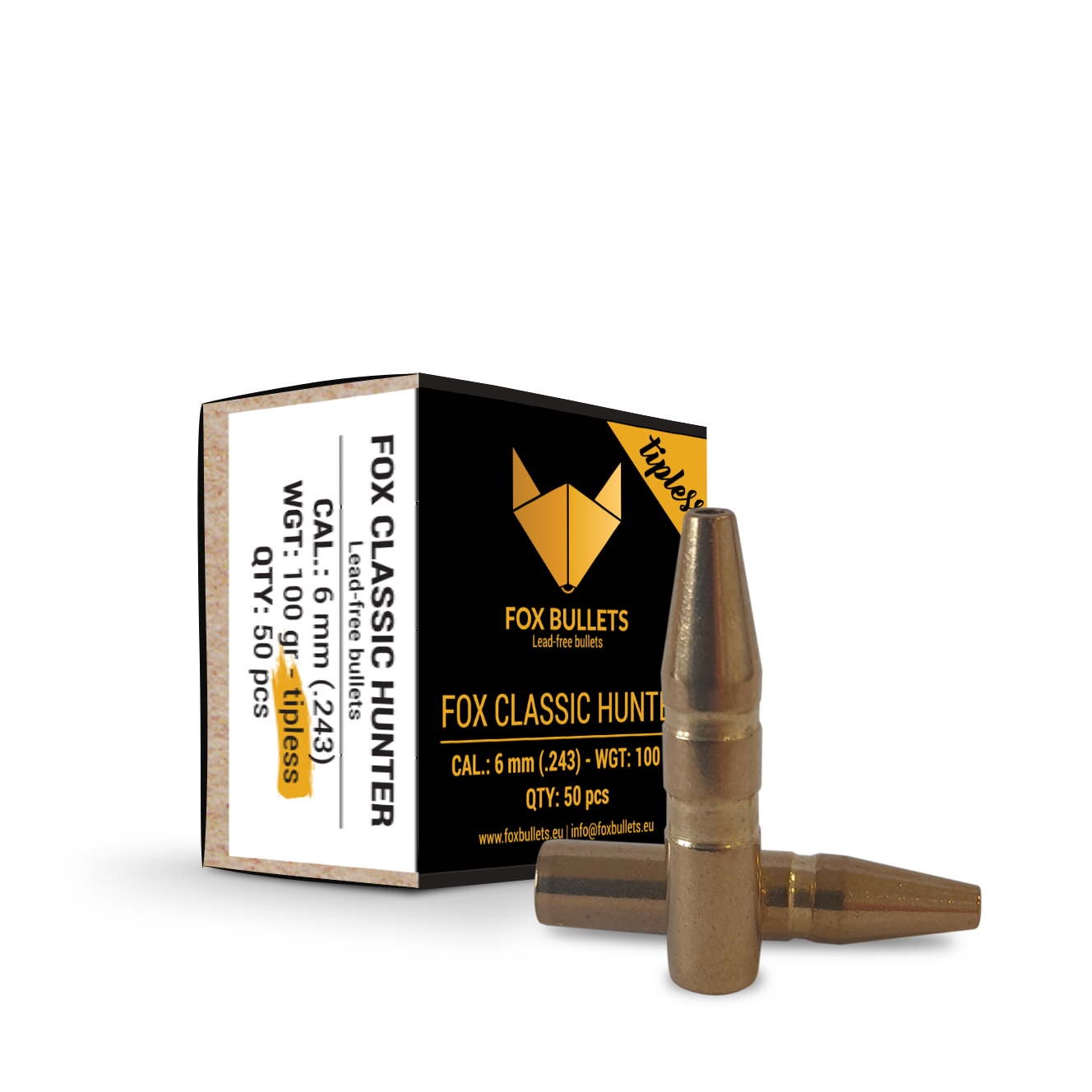
| 6mm (.243) | 100 gr | 30.1 mm | High for the calibre |
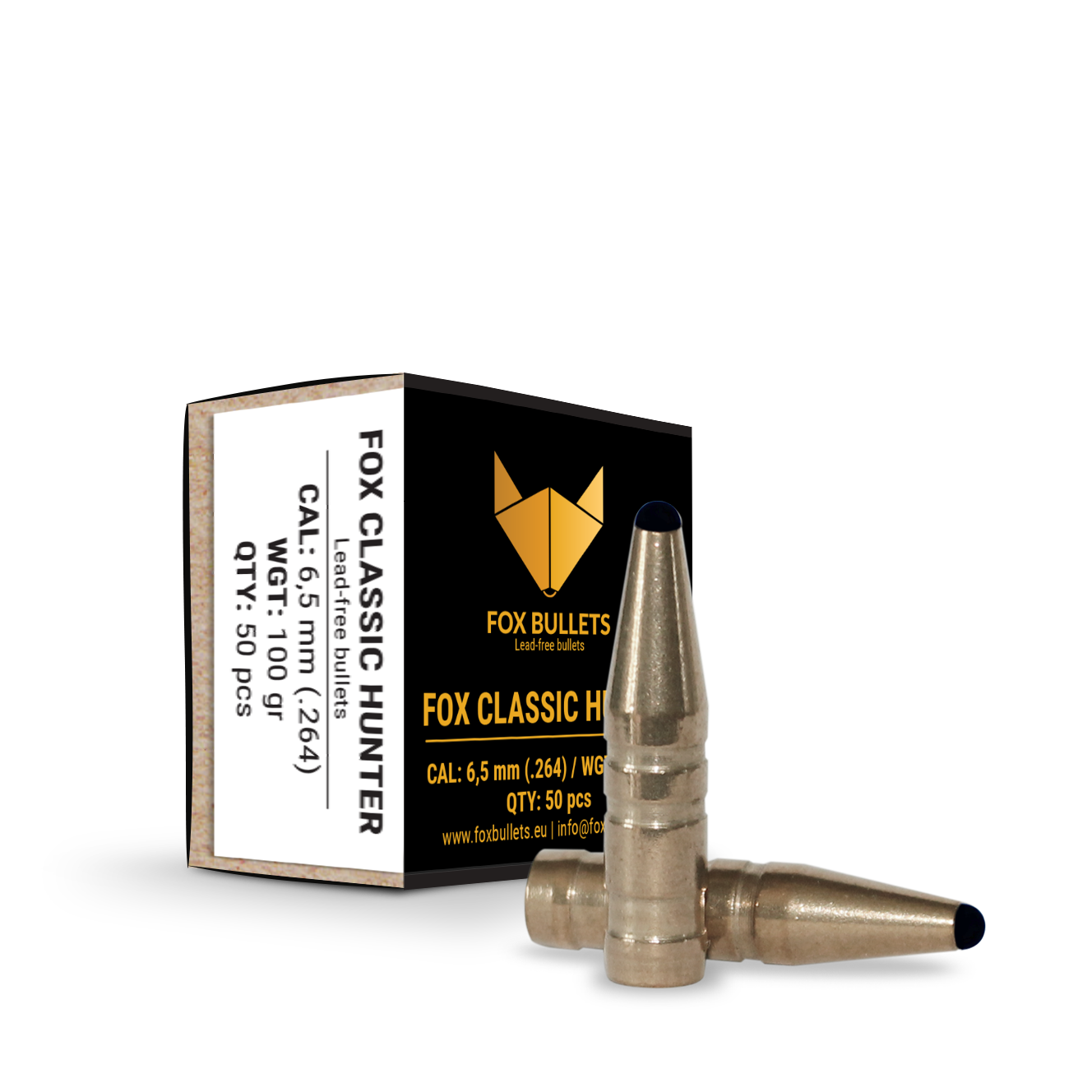
| 6.5mm (.264) | 100 gr | 29.2 mm | Modest |
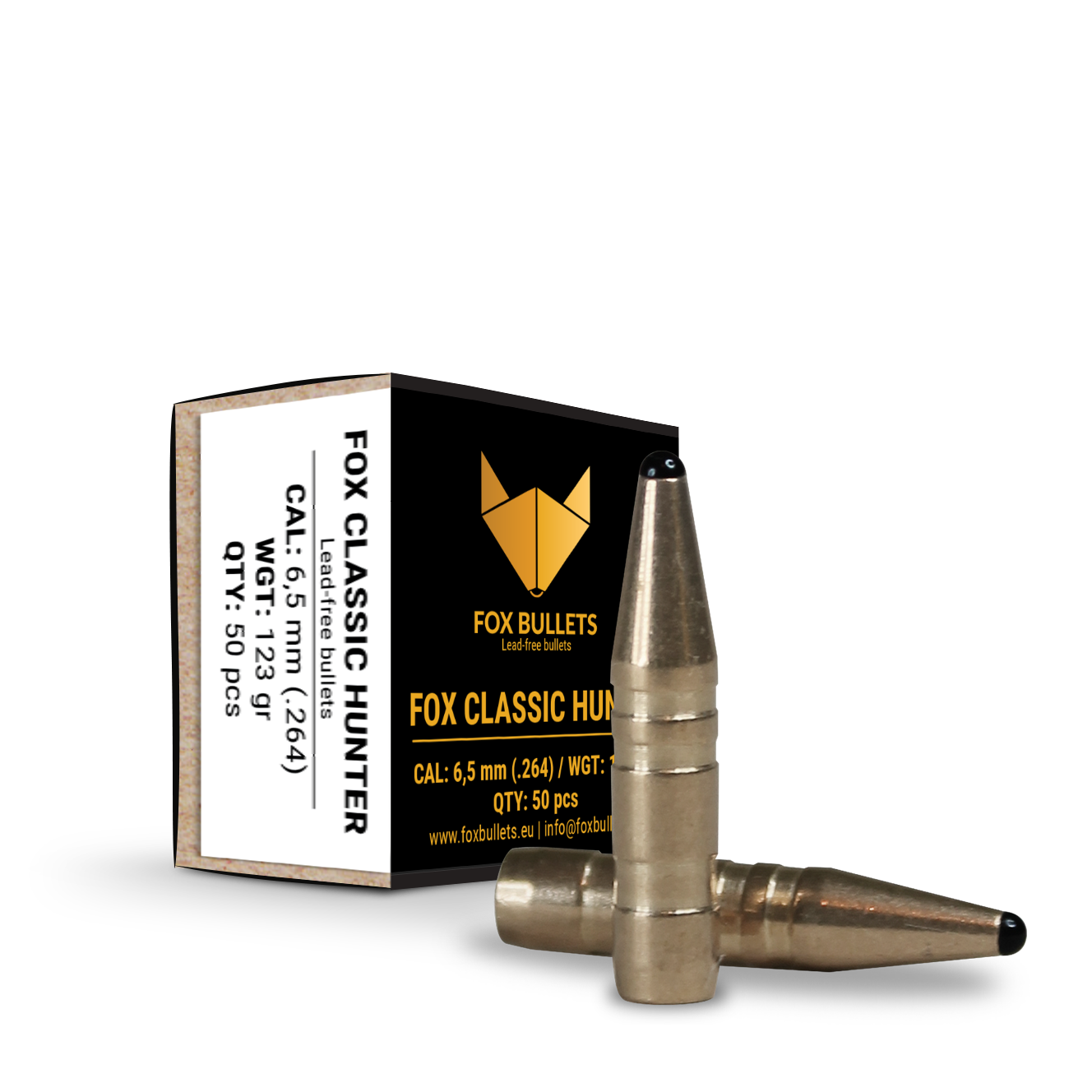
| 6.5mm (.264) | 123 gr | 34.0 mm | Moderate |
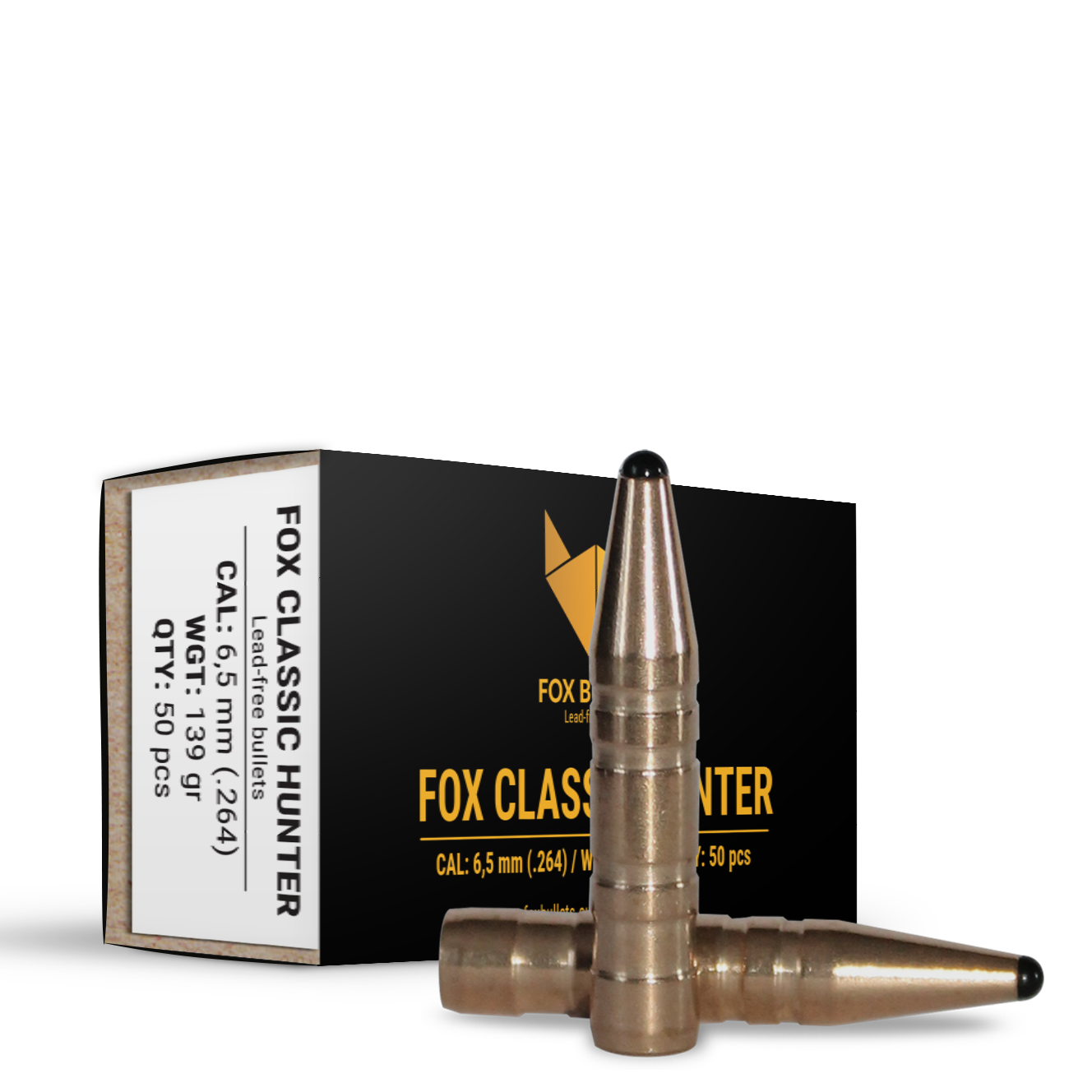
| 6.5mm (.264) | 139 gr | 37.3 mm | High |
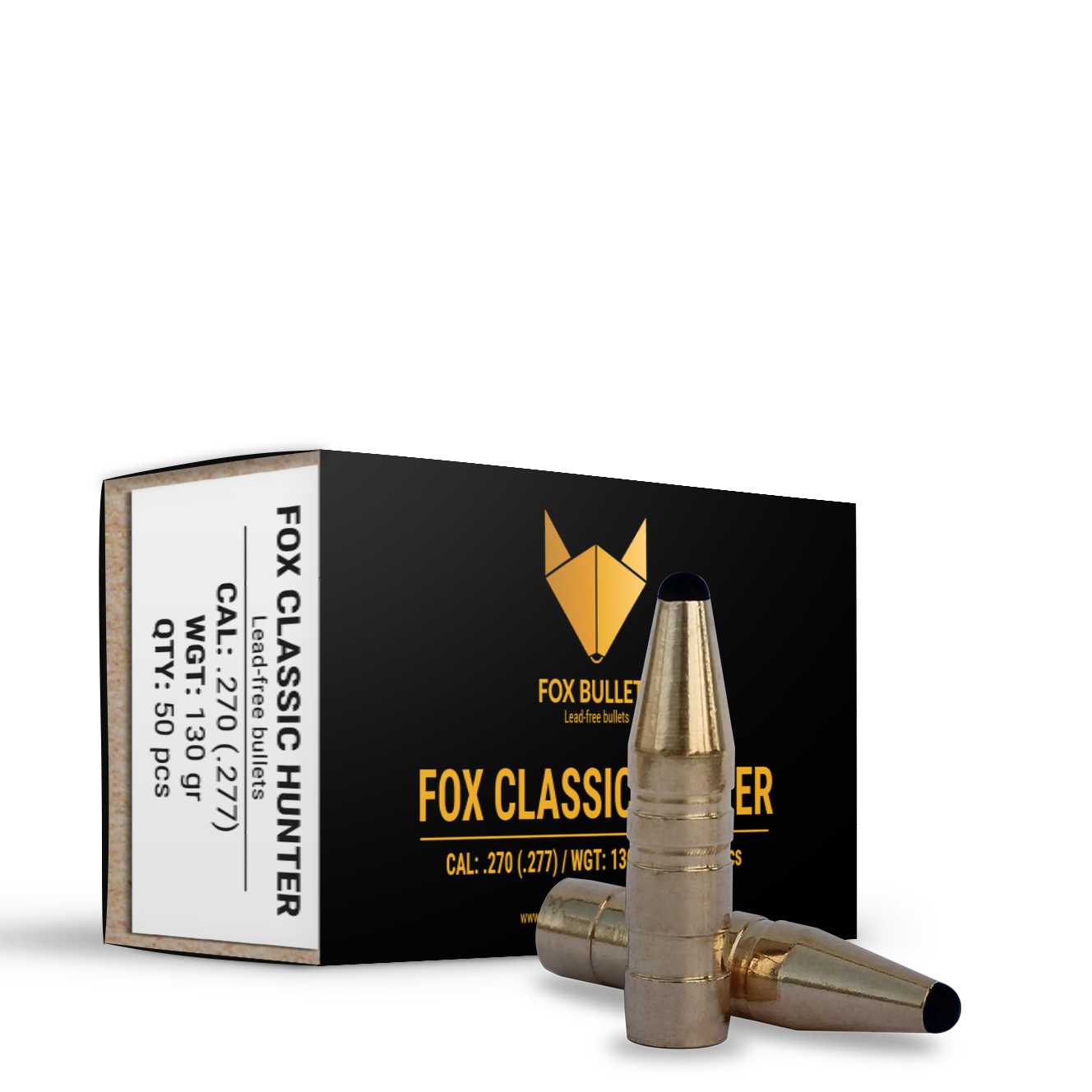
| .270 (.277) | 130 gr | 32.8 mm | Modest |
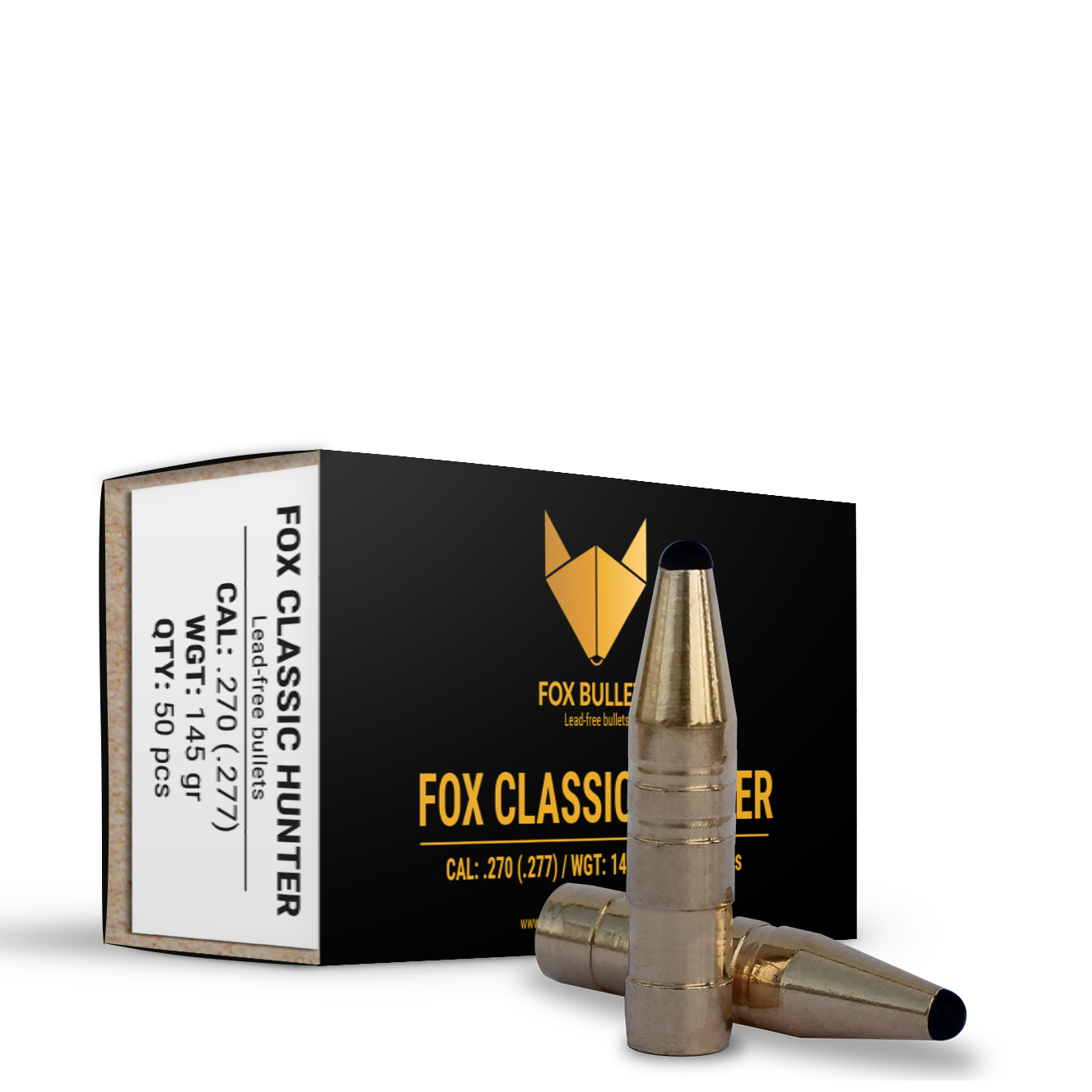
| .270 (.277) | 145 gr | 35.7 mm | Moderate |
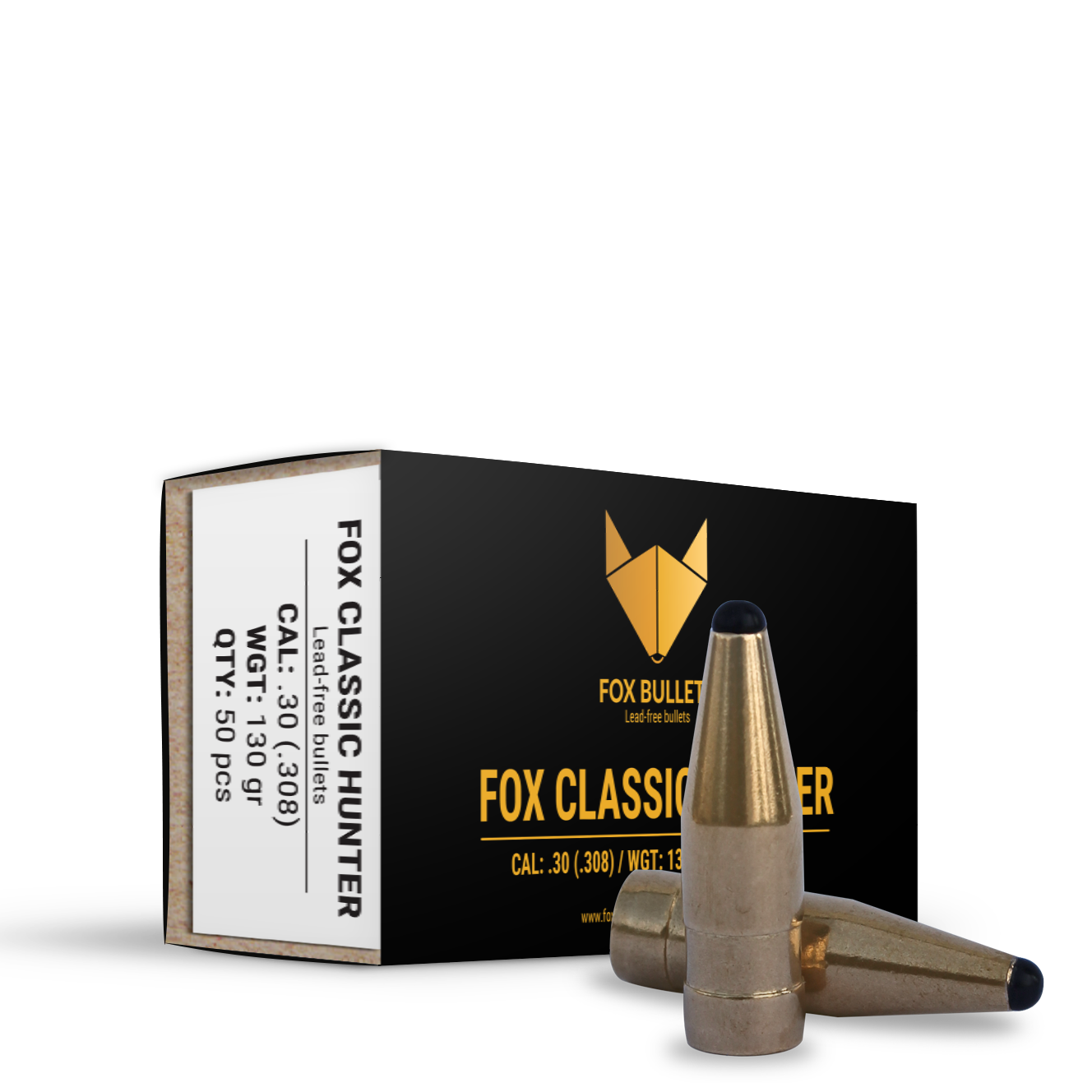
| .30 (.308) | 130 gr | 28.8 mm | Low |
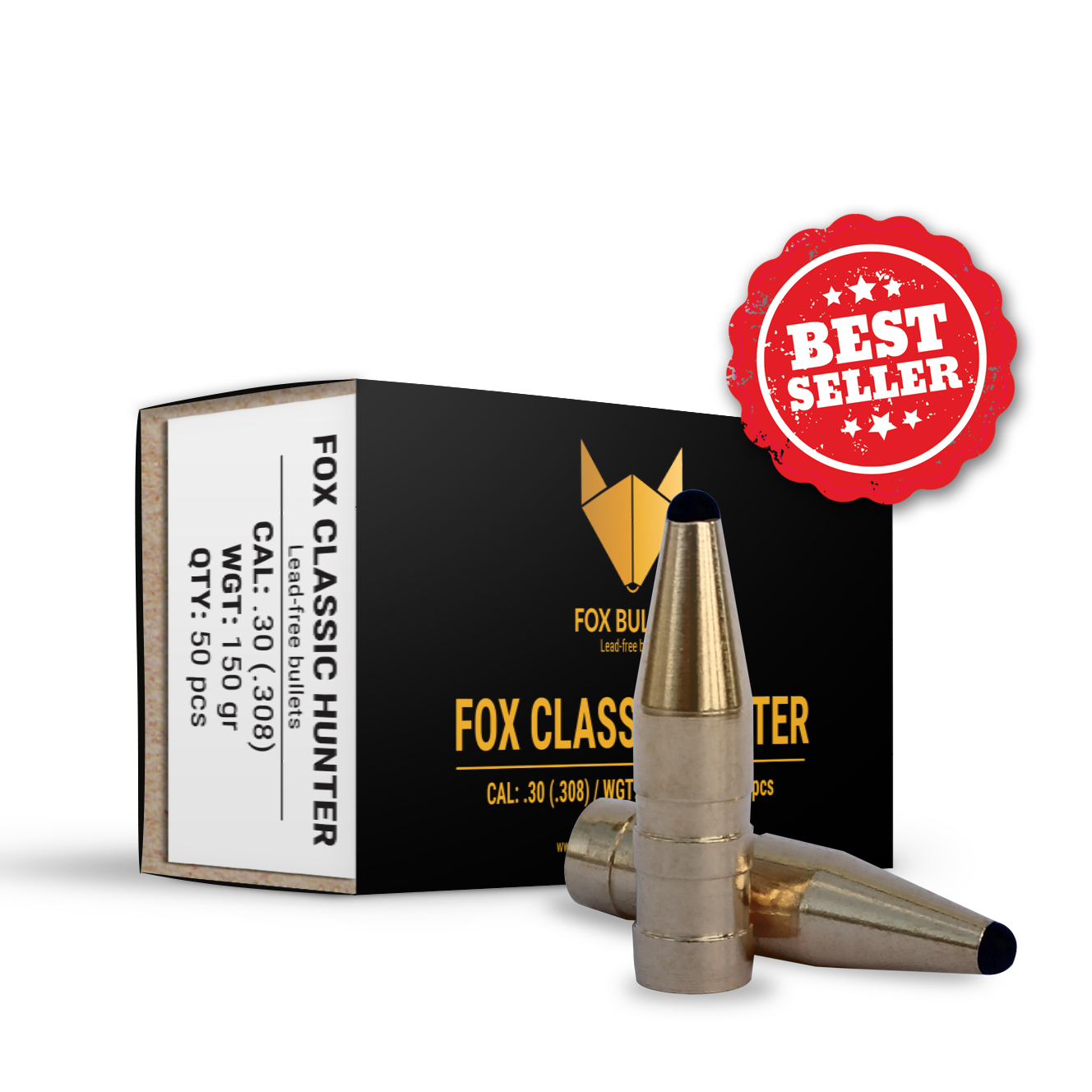
| .30 (.308) | 150 gr | 32.1 mm | Modest |
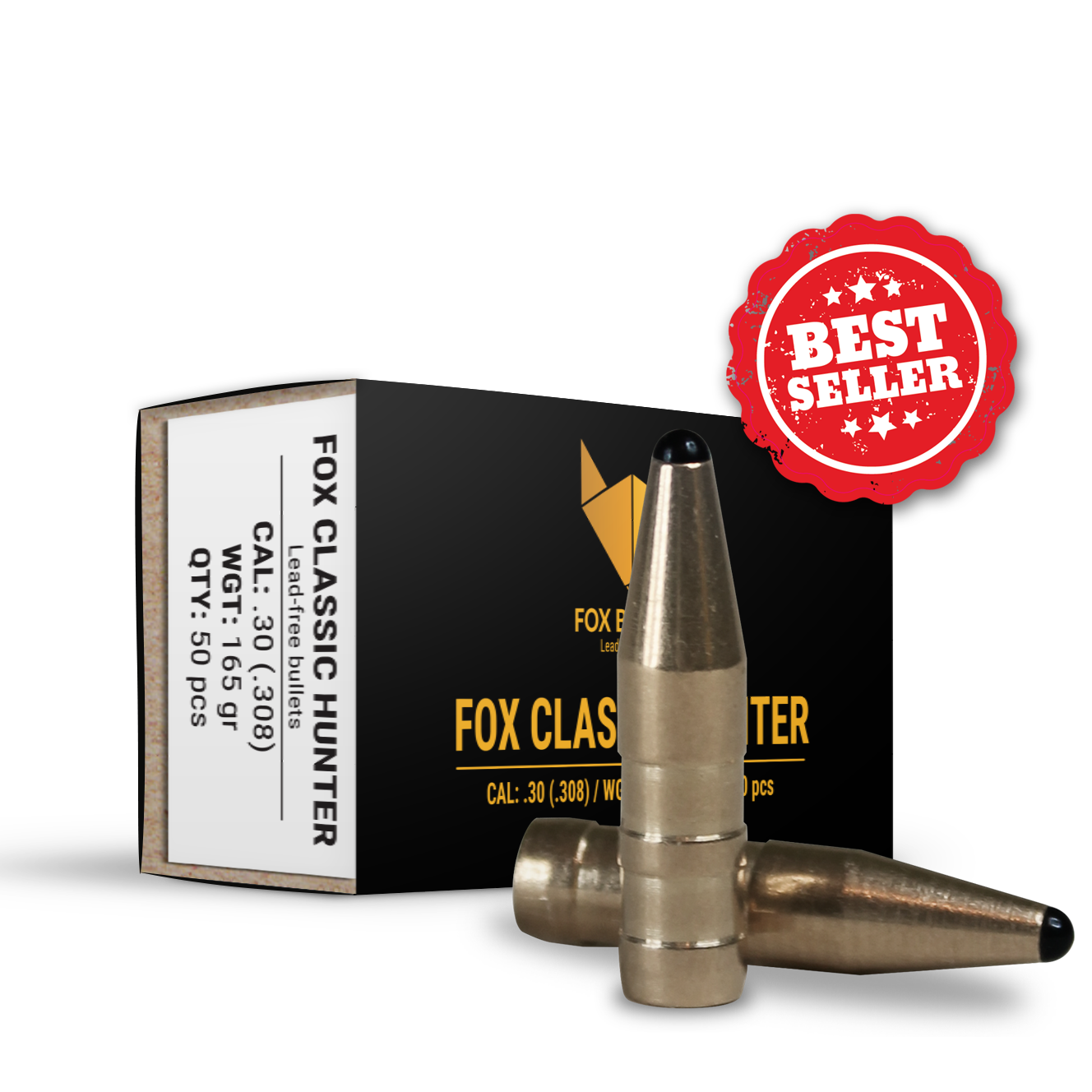
| .30 (.308) | 165 gr | 34.6 mm | Moderate |
Twist demand is relative within each diameter; a 34mm bullet is long for a 6mm bore and unremarkable for a .30.
Where problems actually occur
- Older .243 rifles at 1:10 trying to run the 100 grain. This is the classic mismatch in the Fox range. The 80 grain is the answer if your barrel is 1:10 or slower.
- Slow-twist 6.5mm barrels with the 139 grain. Modern 6.5mm rifles are almost always 1:8 and fine; an older 1:9 or slower deserves a check.
- .30 calibre rarely has a problem. Even the 165 grain at 34.6mm is unexceptional for a bore that routinely stabilises 180gr and heavier.
How to tell if a bullet is not stabilising
Marginal stability shows up on paper before it shows up anywhere else. Look for groups that open up disproportionately as you move the target further out, and, the giveaway, oval or keyholed holes in the paper rather than clean round ones. A bullet printing sideways has failed to stabilise.
Stability also improves with velocity and falls with air density, so a load that is marginal on a warm day at sea level may be worse on a cold one high up.
Choose a weight that suits your barrel
Projectiles only: no powder, primers or loaded ammunition.
Do copper bullets need a faster twist rate?
Often yes. Copper and copper-zinc alloy are less dense than lead, so a lead free bullet of a given weight is longer than its lead equivalent, and length is what drives the twist rate a bullet needs.
What twist rate do I need for a 139gr 6.5mm bullet?
At 37.3mm the Fox 139 grain is a long bullet. A 1:8 twist, standard on most modern 6.5mm rifles, is the usual recommendation. Slower twists should be verified before committing.
How do I find my rifle's twist rate?
Check the barrel markings, the manual or the manufacturer's specifications. Failing that, push a tight patch down the bore on a rod that can rotate freely and measure the distance for one full turn.
What does a keyholed bullet hole mean?
An oval or sideways hole in the target means the bullet is not stabilising and is tumbling in flight. The usual cause is a bullet too long for the barrel's twist rate.
Read next
Oxon Deer stocks the full Fox Classic Hunter range in 6mm, 6.5mm, .270 and .308, in boxes of 50. Browse the shop.